italiana
“italiana” means “Italian” in Spanish. It has 2 different meanings depending on context:
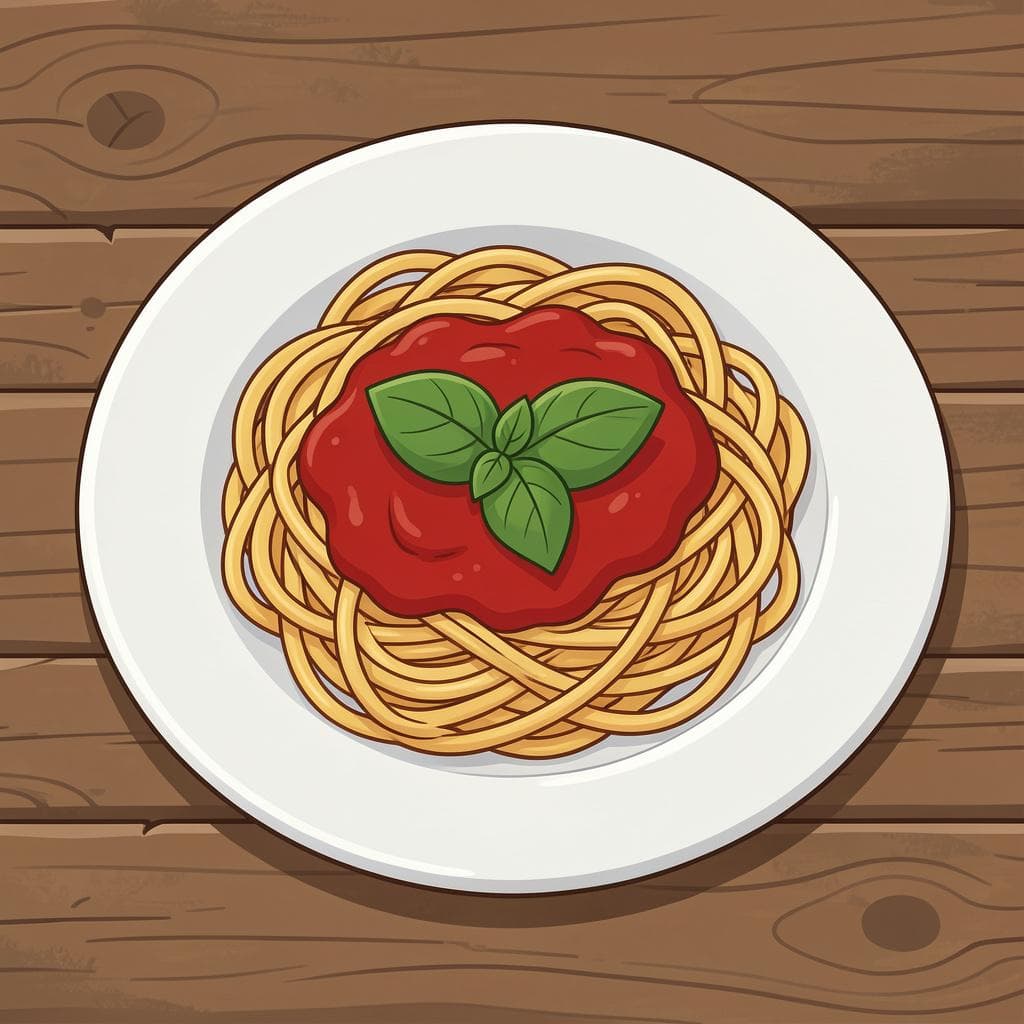

Italian
Also: Italian-style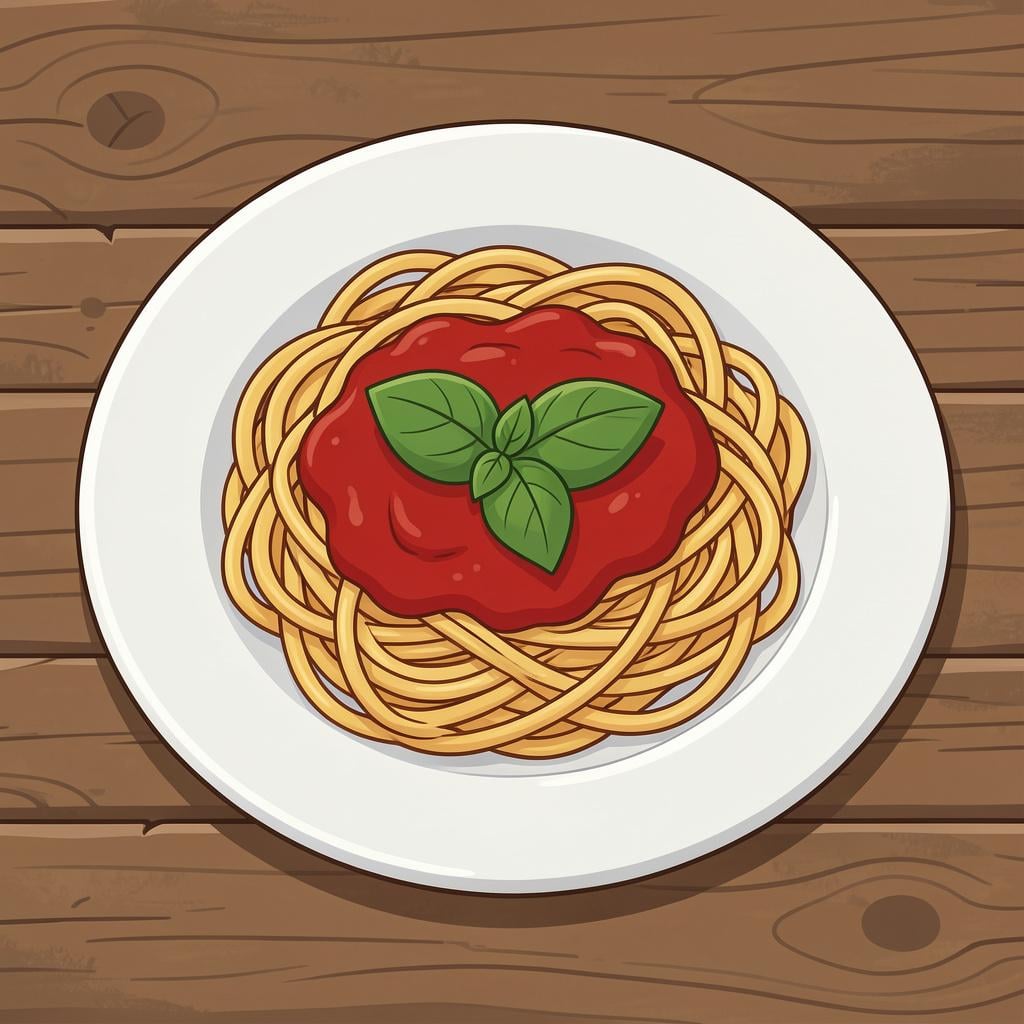
📝 In Action
Me encanta la comida italiana.
A1I love Italian food.
Ella tiene una bicicleta italiana muy bonita.
A2She has a very pretty Italian bicycle.
Italian woman
Also: Italian girl
📝 In Action
Conocí a una italiana en el aeropuerto.
A2I met an Italian woman at the airport.
La nueva vecina es italiana.
A1The new neighbor is Italian.
Translate to Spanish
✏️ Quick Practice
Quick Quiz: italiana
Question 1 of 2
Which of these is the correct way to say 'Italian pizza'?
📚 More Resources
👥 Word Family▼
📚 Etymology▼
Derived from the Latin 'Italia', the name of the peninsula. The suffix '-ana' is added to indicate 'belonging to' or 'originating from'.
First recorded: 13th century
Cognates (Related words)
💡 Master Spanish
Take your Spanish to the next level. Read 200+ illustrated and narrated Spanish stories tailored to your level with the Inklingo app!
Frequently Asked Questions
Should I capitalize 'italiana'?
No. In Spanish, nationalities and languages are written in lowercase (italiana, español, francés) unlike in English where they are always capitalized.
When do I use 'italiana' instead of 'italiano'?
Use 'italiana' when describing a woman or a feminine object (like 'la mesa', 'la cultura', 'la ensalada'). Use 'italiano' for men and masculine objects.