japonesa
“japonesa” means “Japanese” in Spanish. It has 2 different meanings depending on context:
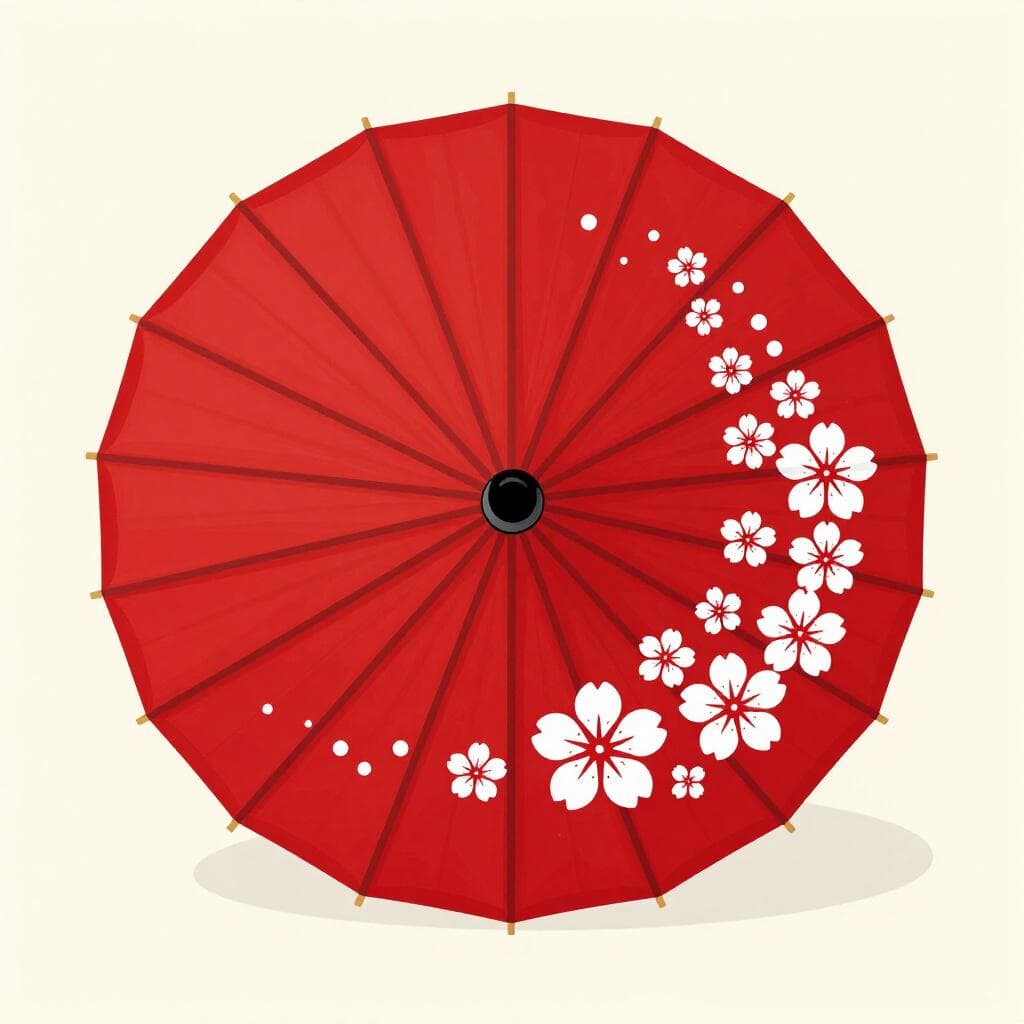

JapaneseAlso: Japanese-style
📝 In Action
Me encanta la comida japonesa.
A1I love Japanese food.
Ella está estudiando la historia japonesa.
A2She is studying Japanese history.
Compré una cámara japonesa muy buena.
A1I bought a very good Japanese camera.
Word Connections
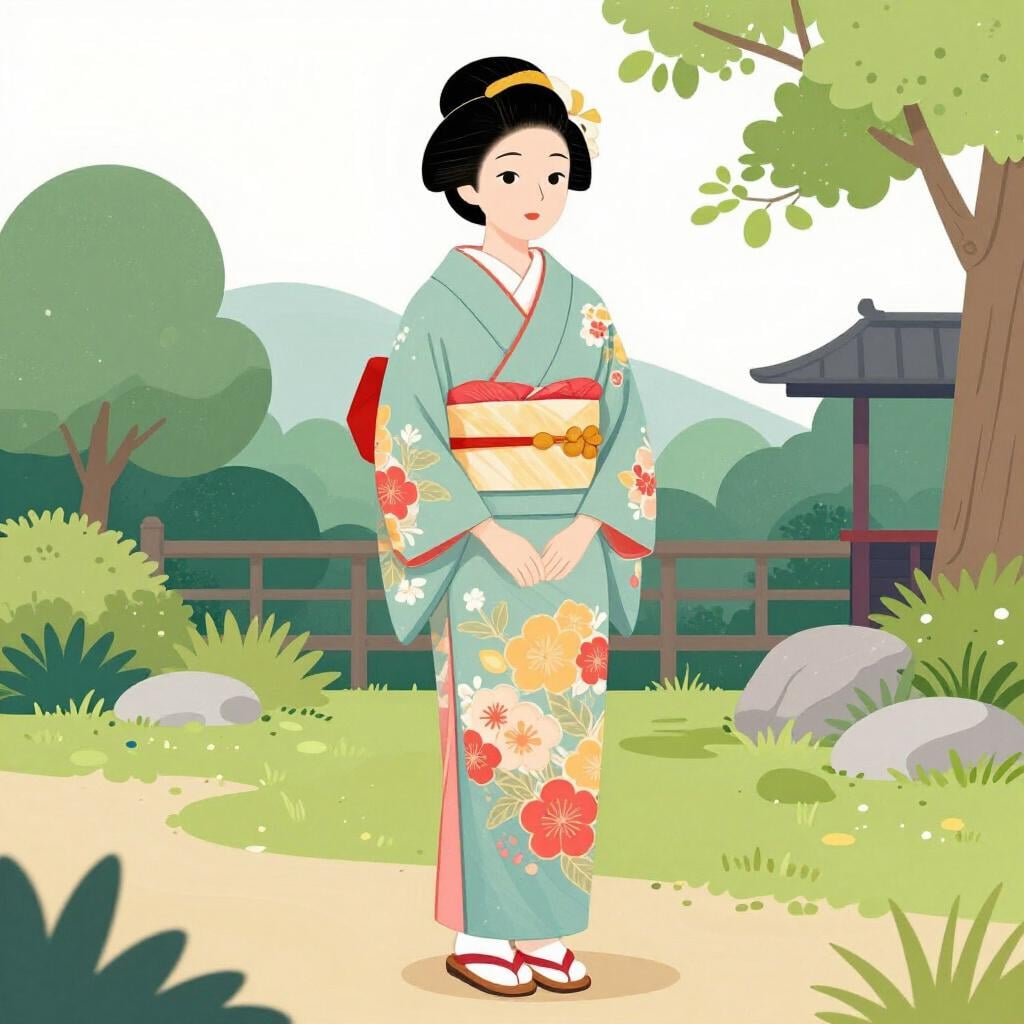
Japanese womanAlso: Japanese girl
📝 In Action
Mi nueva vecina es japonesa.
A1My new neighbor is a Japanese woman.
Esa japonesa habla cinco idiomas.
B1That Japanese woman speaks five languages.
Word Connections
Translate to Spanish
Words that translate to "japonesa" in Spanish:
✏️ Quick Practice
Quick Quiz: japonesa
Question 1 of 1
Which of these is the correct way to say 'Japanese guitar' (la guitarra)?
📚 More Resources
👥 Word Family
📚 Etymology
Derived from 'Japón' (Japan), which comes from Portuguese 'Japão', which in turn came from Malay 'Jepang' or Chinese 'Rìběn'. The ending '-esa' is added in Spanish to show a feminine origin.
First recorded: 16th century
Cognates (Related words)
💡 Master Spanish
Take your Spanish to the next level. Read 200+ illustrated and narrated Spanish stories tailored to your level with the Inklingo app!
Frequently Asked Questions
Is 'japonesa' capitalized?
No. Unlike in English, nationalities and languages in Spanish are written in lowercase (e.g., 'la cultura japonesa').
Can 'japonesa' refer to a group of people?
Only if they are all female and pluralized as 'japonesas'. If the group is mixed-gender, you use 'japoneses'.