jubilación
“jubilación” means “retirement” in Spanish. It has 2 different meanings depending on context:

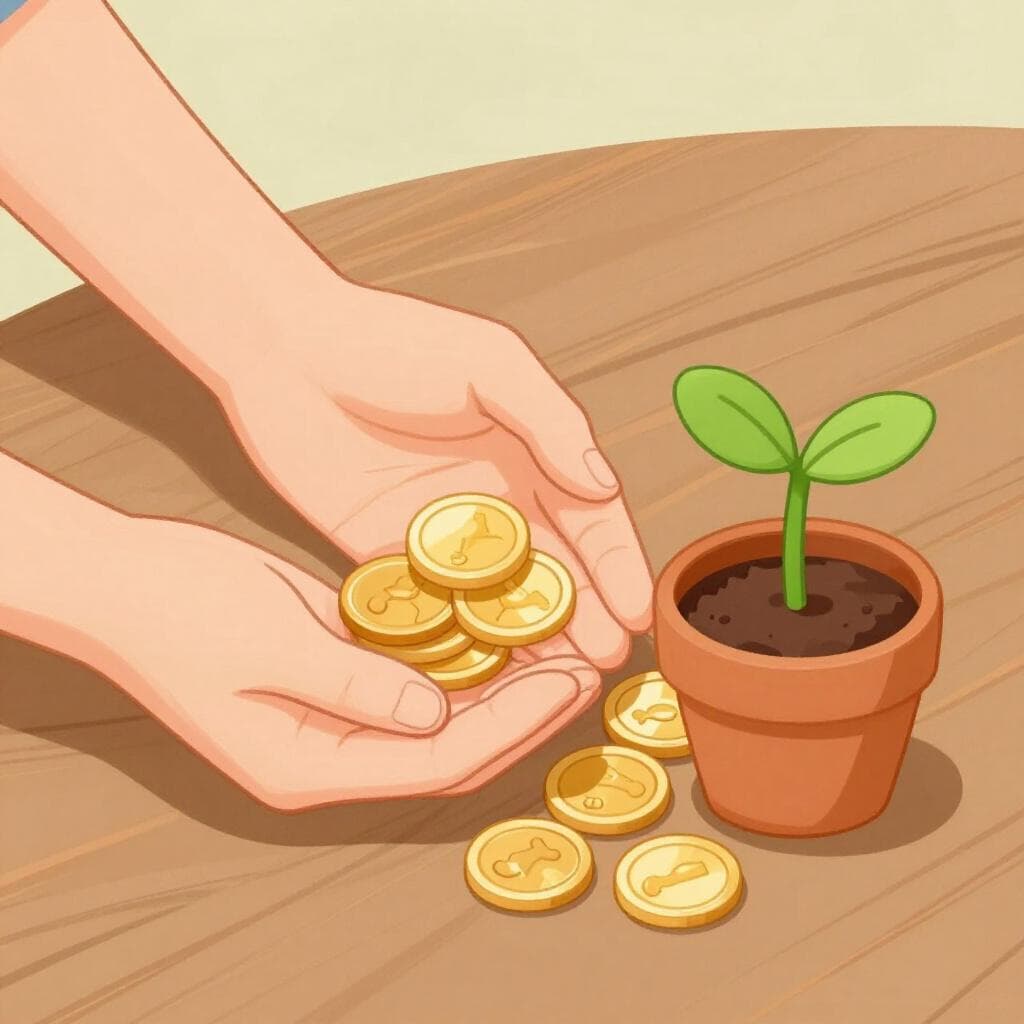
retirementAlso: withdrawal

📝 In Action
Mi abuelo está muy feliz desde su jubilación.
A1My grandfather has been very happy since his retirement.
La edad de jubilación ha subido a los sesenta y siete años.
B1The retirement age has gone up to sixty-seven years.
Estamos organizando una gran fiesta para la jubilación de nuestra jefa.
B2We are organizing a big party for our boss's retirement.
Word Connections
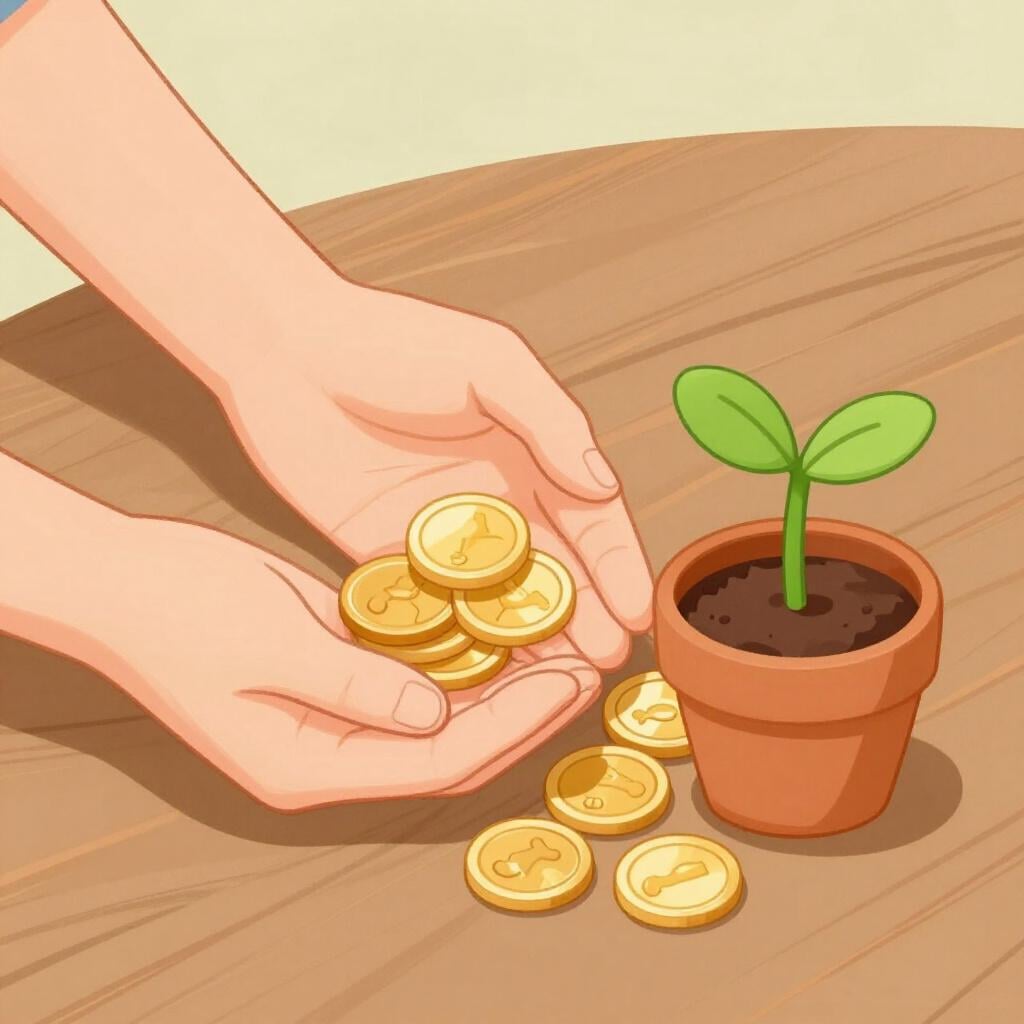
pensionAlso: retirement pay
📝 In Action
Ella cobra una jubilación mínima.
B1She receives a minimum pension.
Muchos trabajadores se preocupan por el futuro de su jubilación.
B2Many workers worry about the future of their pension.
El gobierno anunció un aumento en las jubilaciones.
B2The government announced an increase in retirement pay.
Word Connections
✏️ Quick Practice
Quick Quiz: jubilación
Question 1 of 3
Which of these sentences is grammatically correct?
📚 More Resources
👥 Word Family
🎵 Rhymes
📚 Etymology
From the Latin word 'iubilatio', which means a 'shout of joy'. It originally referred to a time of celebration before it became associated with the joyful transition of leaving work.
First recorded: 15th century
Cognates (Related words)
💡 Master Spanish
Take your Spanish to the next level. Read 200+ illustrated and narrated Spanish stories tailored to your level with the Inklingo app!
Frequently Asked Questions
Is 'jubilación' the same as 'retiro'?
Mostly, yes. 'Jubilación' specifically refers to retiring after a lifetime of work, while 'retiro' can be used for military, religious retreats, or any form of stepping back.
Is 'jubilación' masculine or feminine?
It is always feminine (la jubilación) because of the '-ción' ending.
What verb do I use to say 'I am retiring'?
Use the reflexive verb 'jubilarse'. For example: 'Me jubilo el próximo año'.