jugo
“jugo” means “juice” in Spanish. It has 2 different meanings depending on context:
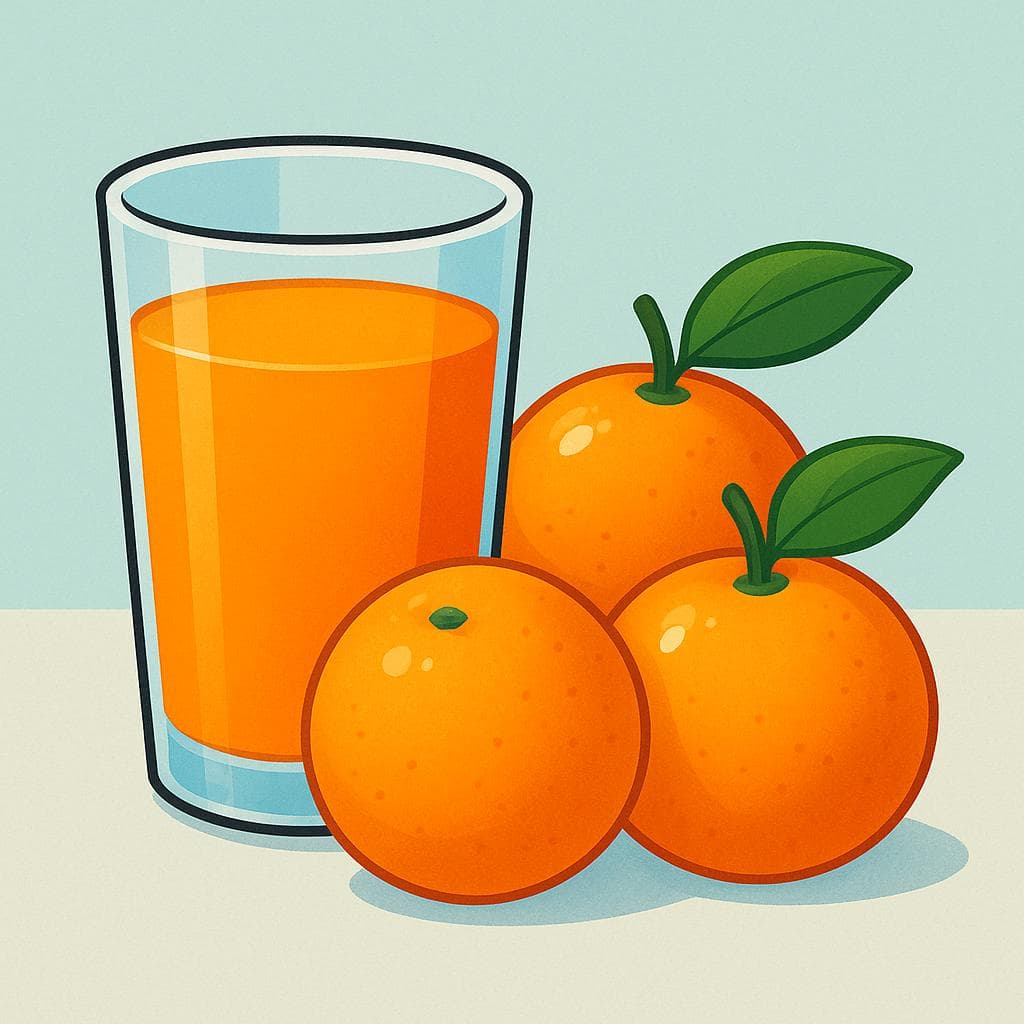

juiceAlso: fruit drink
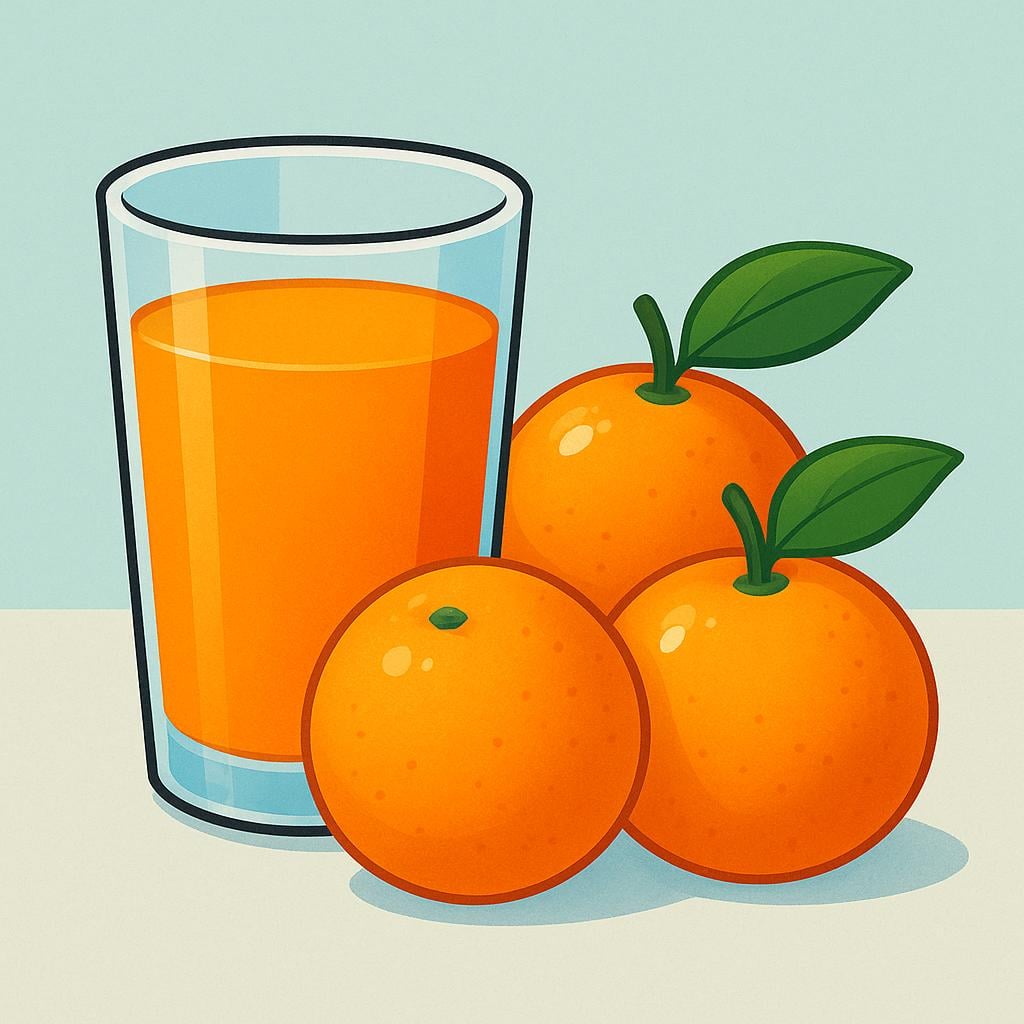
📝 In Action
¿Quieres un vaso de jugo de naranja?
A1Do you want a glass of orange juice?
Este jugo verde es muy saludable para empezar el día.
A2This green juice is very healthy to start the day.
Prefiero el jugo natural al embotellado.
A2I prefer fresh juice to bottled juice.
Word Connections
gravy, essenceAlso: sap

📝 In Action
El chef usó el jugo de la carne para hacer una salsa deliciosa.
B2The chef used the meat's gravy/juices to make a delicious sauce.
Tienes que sacarle el jugo a la experiencia universitaria.
C1You have to get the most out (literally: 'take the juice out') of the university experience.
Word Connections
✏️ Quick Practice
Quick Quiz: jugo
Question 1 of 2
Which sentence uses 'jugo' in its figurative meaning, meaning 'to get the most out of something'?
📚 More Resources
👥 Word Family
📚 Etymology
Comes from the Latin word *sūcus*, which meant 'sap' or 'juice'. The word has remained very close to its original meaning for centuries.
First recorded: 13th century
Cognates (Related words)
💡 Master Spanish
Take your Spanish to the next level. Read 200+ illustrated and narrated Spanish stories tailored to your level with the Inklingo app!
Frequently Asked Questions
Is 'jugo' countable? Can I say 'dos jugos'?
Yes, although 'jugo' is technically a mass noun (like 'water'), Spanish speakers frequently use it as a countable noun to mean 'two servings of juice' or 'two cartons of juice'. For example, 'Quiero dos jugos, por favor' (I want two juices, please).
How is the 'J' in 'jugo' pronounced?
The 'J' in 'jugo' is pronounced like the 'H' in the English word 'house'—a strong, breathy sound coming from the back of the throat. It sounds like 'HOO-go'.