leyenda
“leyenda” means “legend” in Spanish. It has 3 different meanings depending on context:


legend
Also: folktale, myth
📝 In Action
La leyenda de El Dorado es muy popular en Sudamérica.
A2The legend of El Dorado is very popular in South America.
Mi abuela siempre nos contaba leyendas de la selva.
B1My grandmother always told us legends of the jungle.
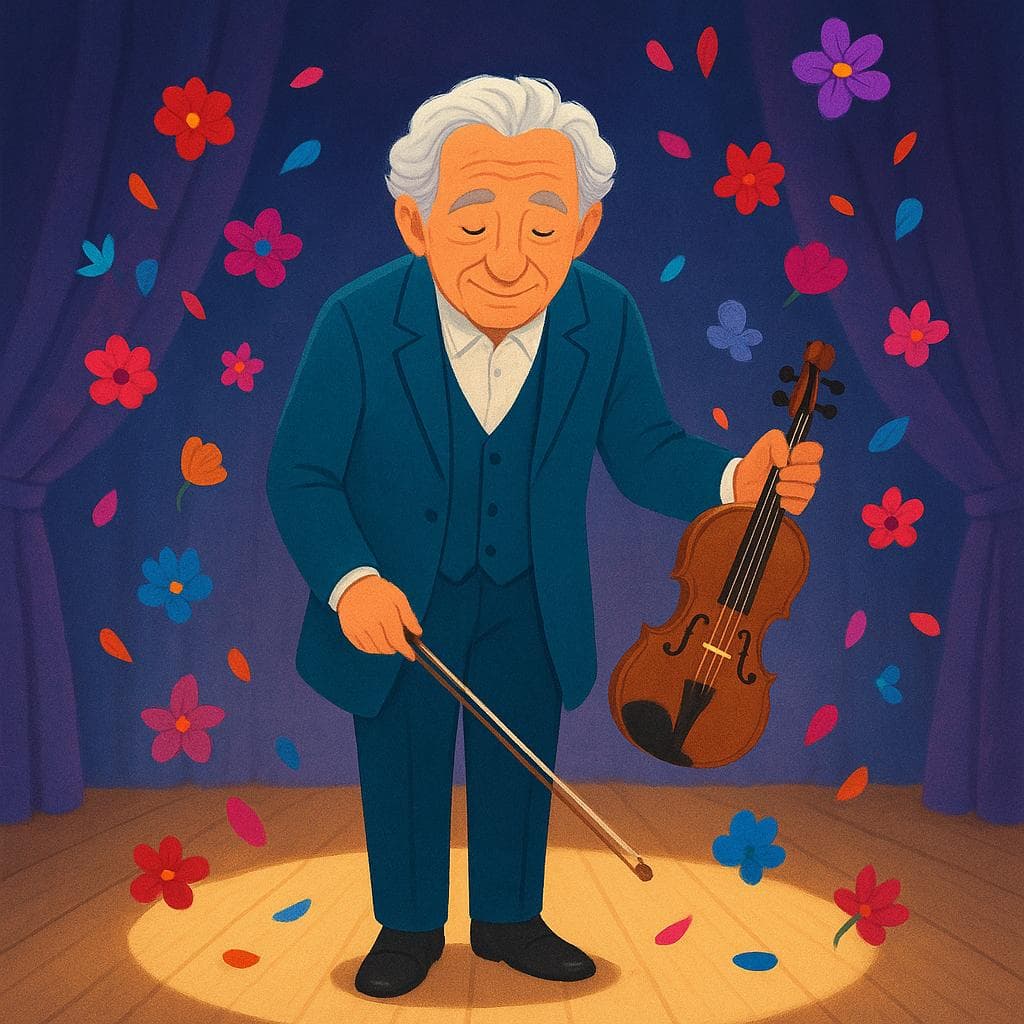
legend
Also: icon, star
📝 In Action
Diego Maradona es una leyenda del fútbol argentino.
B1Diego Maradona is a legend of Argentine soccer.
La actriz se retiró después de convertirse en una leyenda viva.
B2The actress retired after becoming a living legend.
key, caption
Also: inscription
📝 In Action
Debes consultar la leyenda del mapa para identificar los símbolos.
B2You must consult the map key to identify the symbols.
La leyenda al pie de la gráfica explica el significado de los colores.
C1The caption at the bottom of the graph explains the meaning of the colors.
Translate to Spanish
✏️ Quick Practice
Quick Quiz: leyenda
Question 1 of 2
Which meaning of 'leyenda' is used in the sentence: 'La leyenda de la foto no era clara'?
📚 More Resources
👥 Word Family▼
📚 Etymology▼
Comes from the Latin word 'legenda,' which literally meant 'things to be read.' These were often stories of saints or heroes read aloud in public, which is how it came to mean a traditional story.
First recorded: 13th century
Cognates (Related words)
💡 Master Spanish
Take your Spanish to the next level. Read 200+ illustrated and narrated Spanish stories tailored to your level with the Inklingo app!
Frequently Asked Questions
How is 'leyenda' different from 'mito' (myth)?
While often used interchangeably, 'leyenda' usually involves specific historical people or places (even if the events are fictionalized), like King Arthur. 'Mito' (myth) often deals with gods, creation, and the supernatural origins of the world.
If a famous man is a legend, do I still say 'una leyenda'?
Yes. 'Leyenda' is a feminine noun, so the word itself does not change based on the person's gender. You must always use 'la' or 'una' with it, even if you are talking about a male soccer star.