libras
“libras” means “pounds” in Spanish. It has 3 different meanings depending on context:
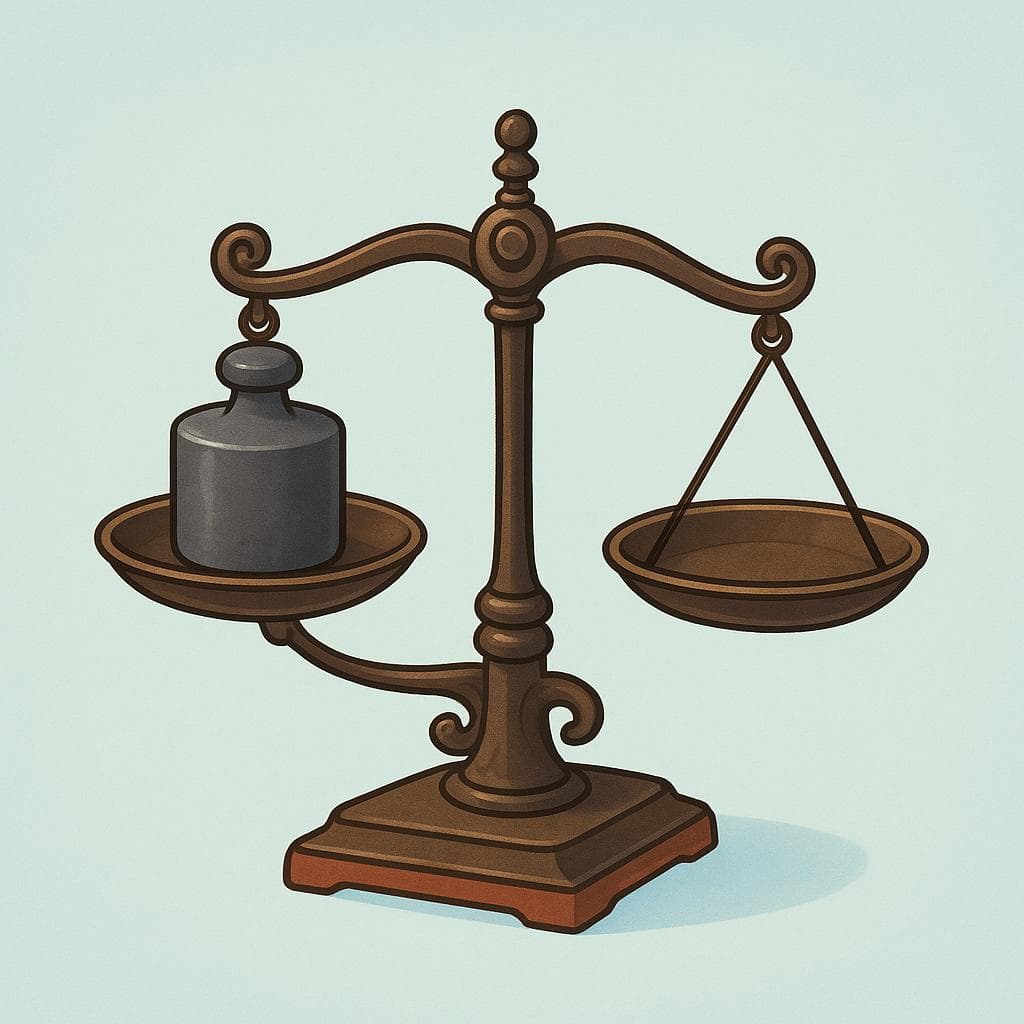
pounds
Also: lbs
📝 In Action
Perdí cinco libras durante las vacaciones.
A1I lost five pounds during the holidays.
Necesito tres libras de carne molida para la receta.
A2I need three pounds of ground beef for the recipe.
pounds
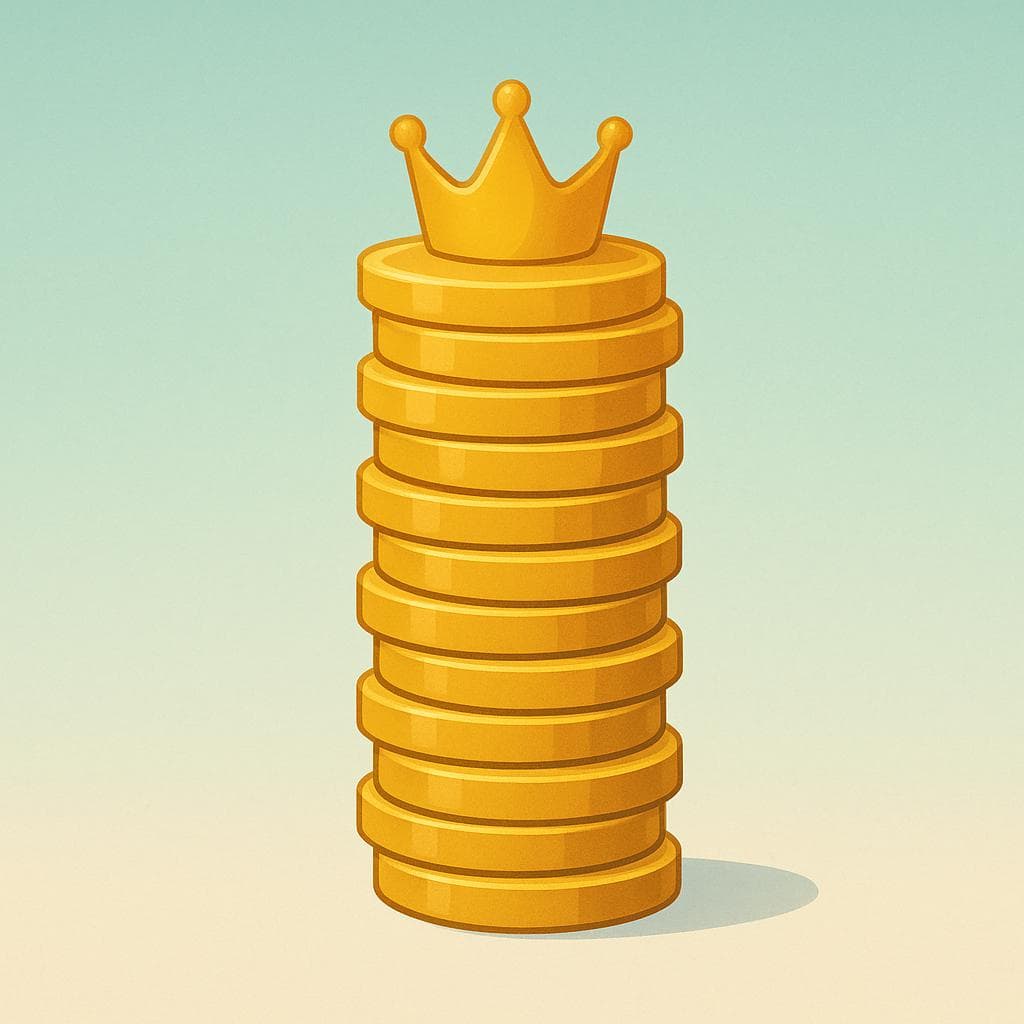
Also: quid
📝 In Action
Cambié mis euros por cien libras antes de viajar a Londres.
A2I exchanged my euros for one hundred pounds before traveling to London.
El precio está en libras esterlinas.
B1The price is in pounds sterling.
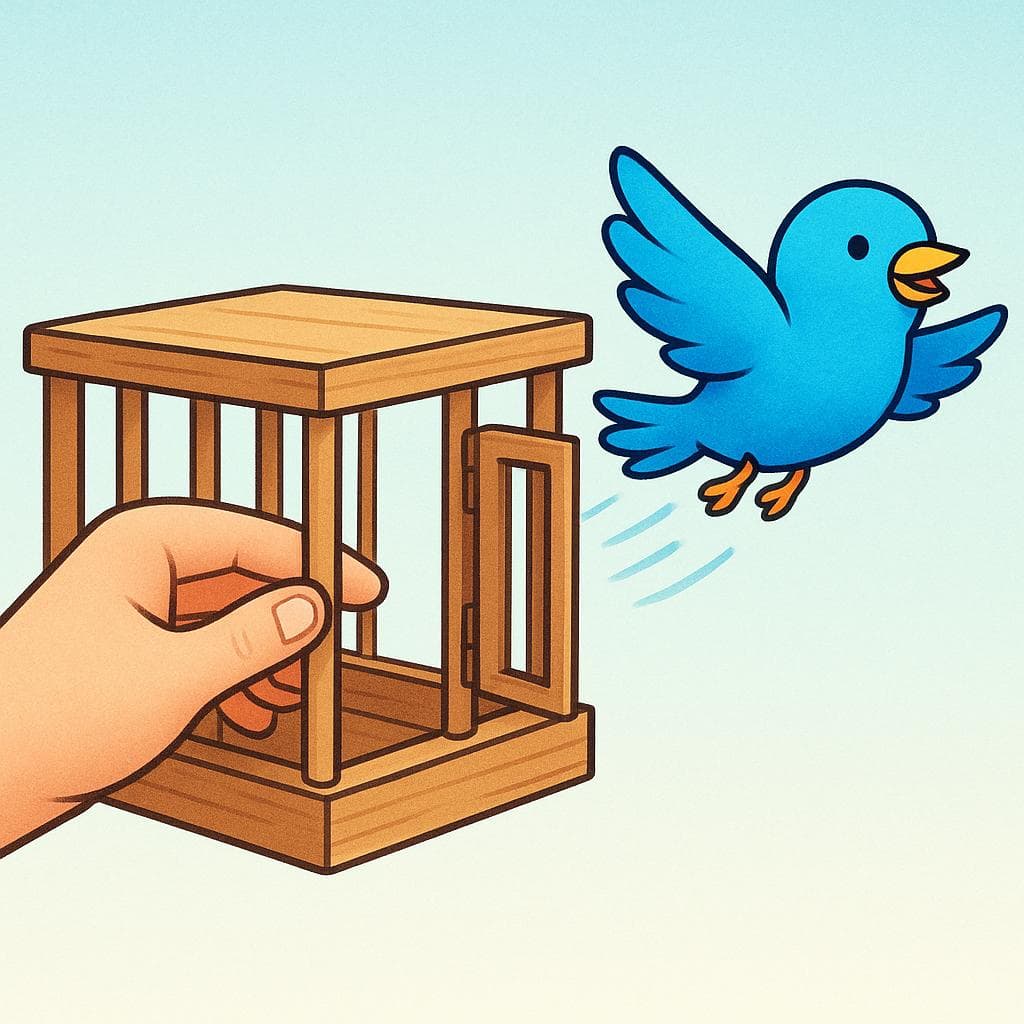
you free, you exempt
Also: you avoid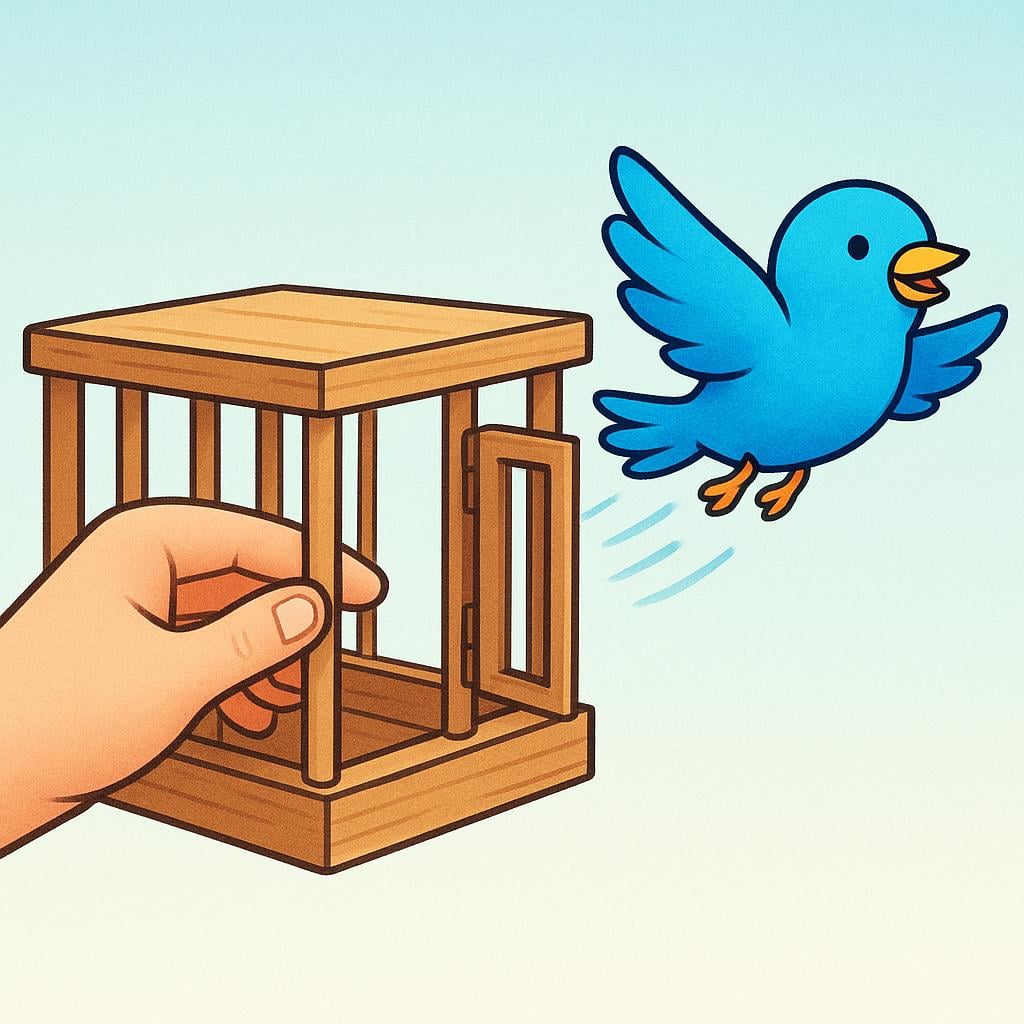
📝 In Action
Si estudias ahora, te libras de preocupaciones más tarde.
B1If you study now, you free yourself from worries later.
Tú siempre libras a tus amigos de las tareas difíciles.
B2You always exempt your friends from the difficult tasks.
Indicative
Present
Imperfect
Preterite
Subjunctive
Present Subjunctive
Imperfect Subjunctive
Translate to Spanish
✏️ Quick Practice
Quick Quiz: libras
Question 1 of 2
Which sentence uses 'libras' as the verb form of 'librar'?
📚 More Resources
👥 Word Family▼
🎵 Rhymes▼
📚 Etymology▼
Traces back directly to the Latin word *libra*, which meant both 'scales' (the instrument for weighing) and a 'unit of weight' (the Roman pound). This dual meaning explains why the word applies to both weight and the Zodiac sign (The Scales). The verb 'librar' developed from the idea of balancing or setting something free from a burden.
First recorded: Old Spanish (circa 10th-11th century)
Cognates (Related words)
💡 Master Spanish
Take your Spanish to the next level. Read 200+ illustrated and narrated Spanish stories tailored to your level with the Inklingo app!
Frequently Asked Questions
Does 'libras' ever mean 'books'?
No. The word for 'books' is 'libros' (masculine). It is a common mistake to confuse 'libros' (books) with 'libras' (pounds/currency, feminine).
Why does the same word mean both a unit of weight and a type of money?
This comes from the ancient Roman practice. The original Latin word *libra* referred to a measuring instrument (scales) and the standard weight itself. Historically, currency was often tied to the weight of precious metals, linking the measurement (pound) to the money (pound sterling).