libro
“libro” means “book” in Spanish. It has 2 different meanings depending on context:
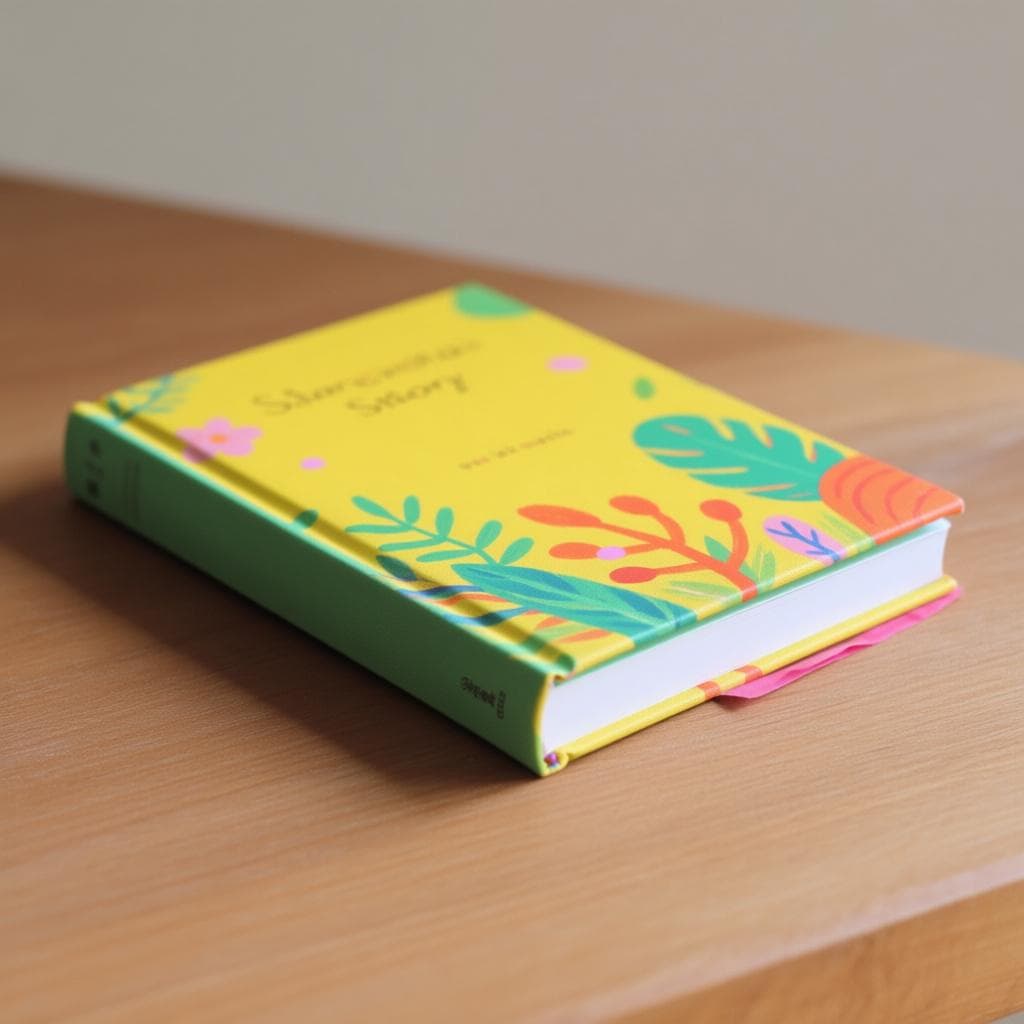
book
Also: textbook
📝 In Action
Estoy leyendo un libro muy interesante.
A1I'm reading a very interesting book.
¿Puedes pasarme ese libro de la estantería?
A2Can you pass me that book from the bookshelf?
El autor publicó su primer libro el año pasado.
B1The author published his first book last year.
book
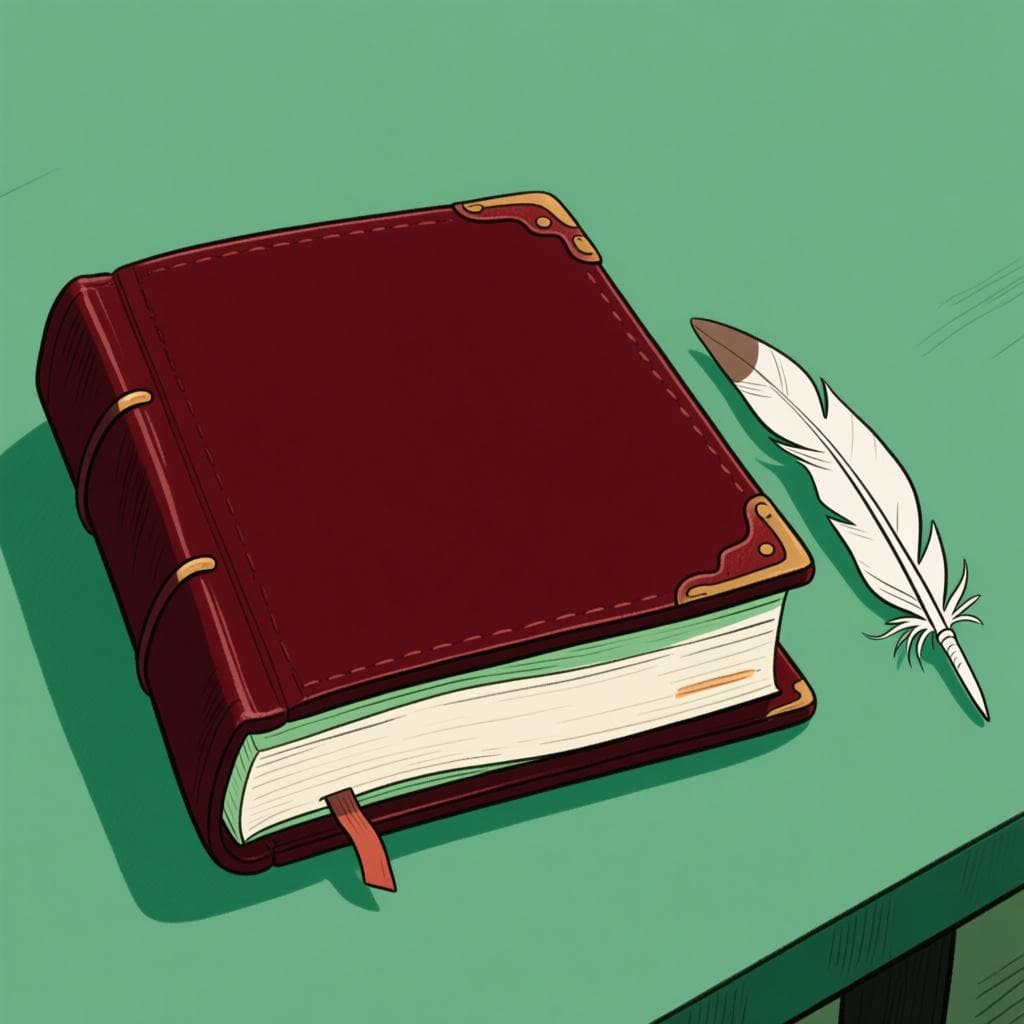
Also: part, ledger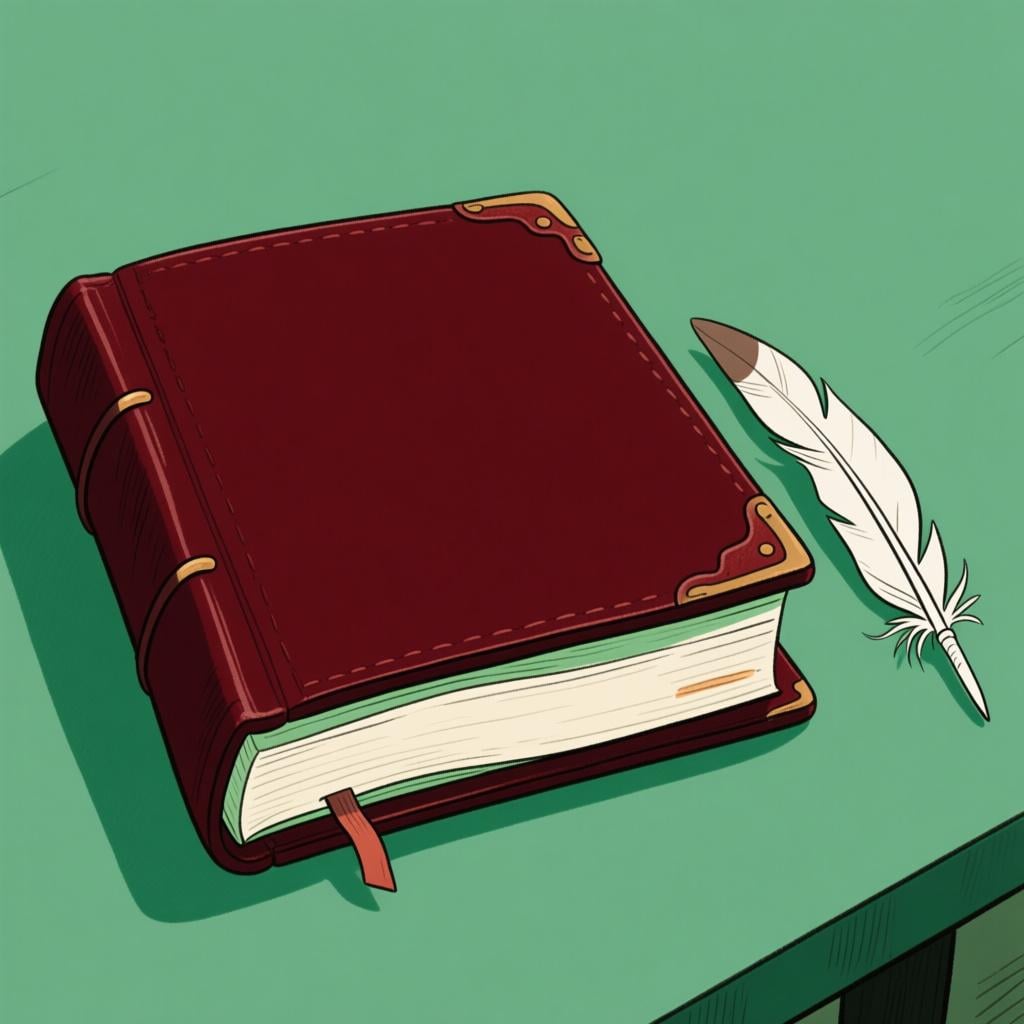
📝 In Action
El primer libro de la Biblia es el Génesis.
B1The first book of the Bible is Genesis.
La novela está dividida en tres libros.
B2The novel is divided into three books.
El contable revisó el libro de cuentas.
B2The accountant checked the account book (ledger).
✏️ Quick Practice
Quick Quiz: libro
Question 1 of 1
If you are in a 'librería', what are you most likely to buy?
📚 More Resources
👥 Word Family▼
🎵 Rhymes▼
📚 Etymology▼
Comes from the Latin word 'liber', which originally meant 'the inner bark of a tree'. Ancient Romans used this material to write on before paper was widely available, so the word for the material became the word for the object itself.
First recorded: Around the 10th century
Cognates (Related words)
💡 Master Spanish
Take your Spanish to the next level. Read 200+ illustrated and narrated Spanish stories tailored to your level with the Inklingo app!
Frequently Asked Questions
What's the difference between 'libro' and 'librería'?
'Libro' is the object you read (a book). 'Librería' is the place where you buy books (a bookstore). They look and sound similar, so it's a common point of confusion for learners!
How do I say 'e-book' or 'audiobook' in Spanish?
An e-book is a 'libro electrónico'. An audiobook is an 'audiolibro'. Both are becoming very common terms.