Inklingo

llevaban

/yeh-VAH-bahn/

they were carrying

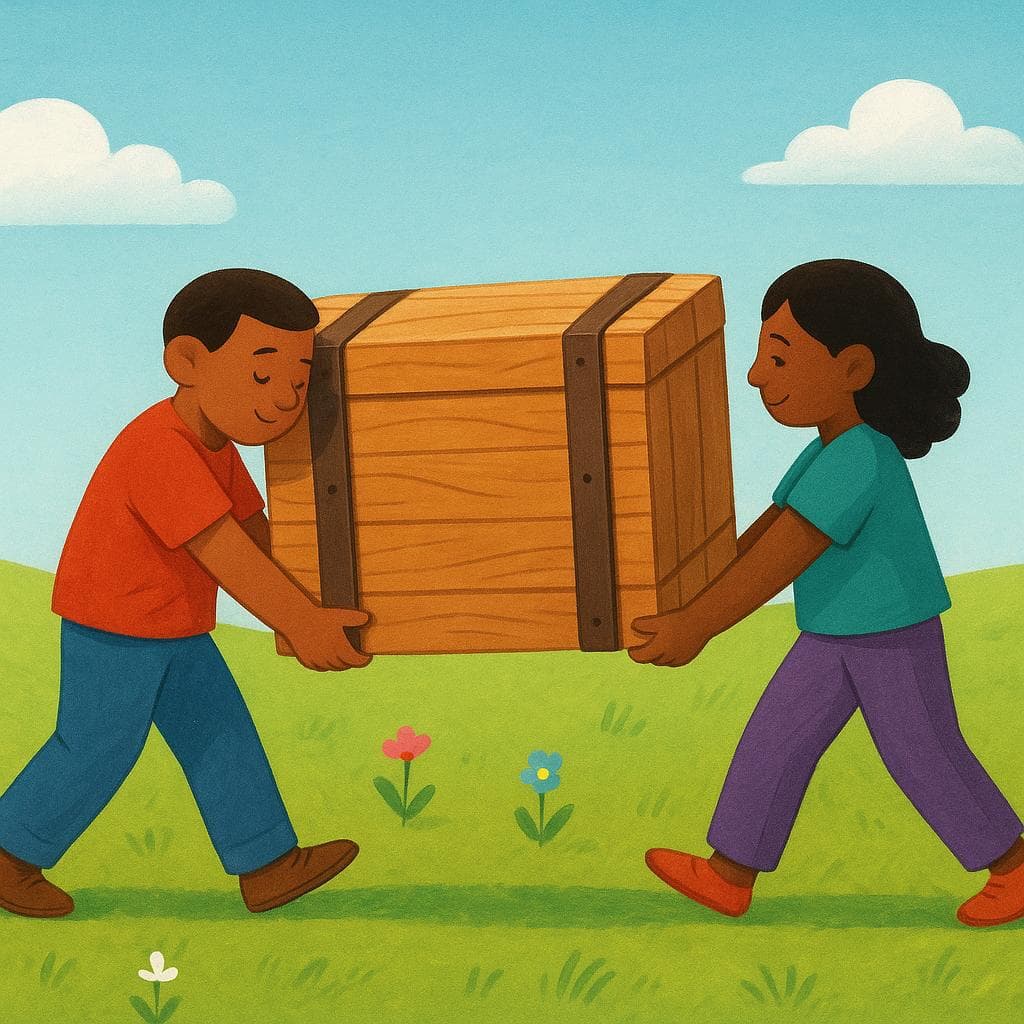
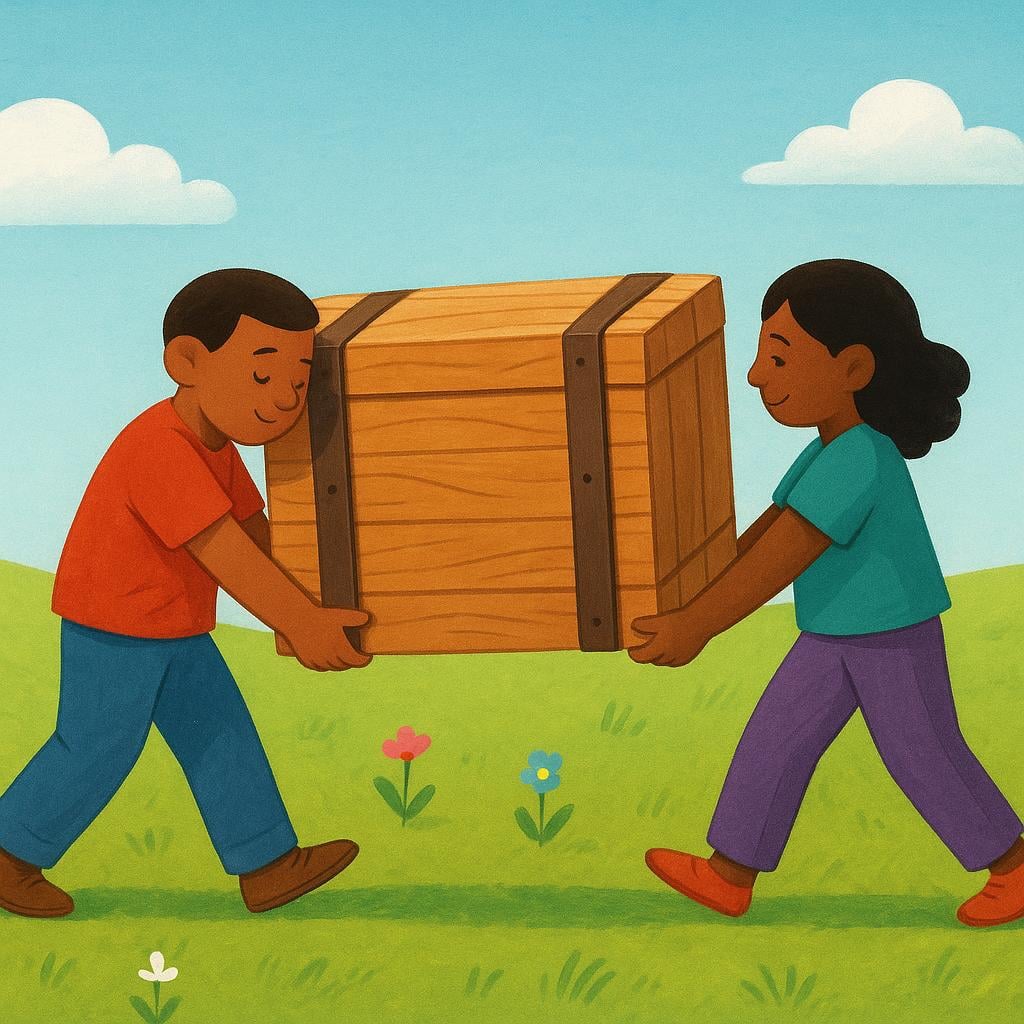
Two figures, possibly travelers, carrying a heavy, large wooden box together across an open field.

As 'they were carrying', this depicts two people transporting something physical.

llevaban(verb)

A1regular ar

they were carrying

?

transporting something physical

,

they were wearing

?

clothing or accessories

,

you (all) were carrying

?

formal plural usage (Ustedes)

Also:

they used to carry

?

habitual past action

📝 In Action

Los niños llevaban mochilas muy pesadas a la escuela.

A1

The children were carrying very heavy backpacks to school.

Ellas siempre llevaban vestidos de colores vivos.

A2

They always wore brightly colored dresses (They used to wear...).

¿Qué llevaban ustedes cuando los vimos en la playa?

A2

What were you all wearing when we saw you at the beach?

Word Connections

Synonyms

  • transportaban (they were transporting)
  • vestían (they were dressing/wearing)

Common Collocations

  • llevaban equipajethey were carrying luggage

💡 Grammar Points

The Imperfect Tense

'Llevaban' describes an action that was happening continuously in the past ('they were carrying') or something that happened repeatedly as a habit ('they used to carry').

Llevar vs. Traer

Use 'llevar' when the movement is away from the speaker (like 'take'), and 'traer' when the movement is toward the speaker (like 'bring').

⭐ Usage Tips

Wearing vs. Having

In Spanish, you use 'llevar' (llevaban) to say what clothing someone has on, not 'tener' (to have).

Two figures walking along a path, pulling a small red wagon filled with items toward a distant hill.

Illustrating 'they were taking', the image shows the act of transporting items to a location.

llevaban(verb)

A2regular ar

they were taking

?

transporting to a location

,

they were driving/leading

?

guiding people or vehicles

Also:

they used to take

?

habitual past action to a place

📝 In Action

Ellos llevaban a sus hijos al parque cada sábado.

A2

They used to take their children to the park every Saturday.

Los guías nos llevaban por caminos secretos de la montaña.

B1

The guides were taking us along secret paths on the mountain.

Ustedes llevaban el coche demasiado rápido por la autopista.

B1

You all were driving the car too fast on the highway.

Word Connections

Synonyms

  • guiaban (they were guiding)
  • conducían (they were driving)

Common Collocations

  • llevaban la iniciativathey were leading the way

💡 Grammar Points

Imperfect for Description

This tense is perfect for describing the background or setting of a past event: 'They were taking us (llevaban) when suddenly the car broke down (se rompió)'.

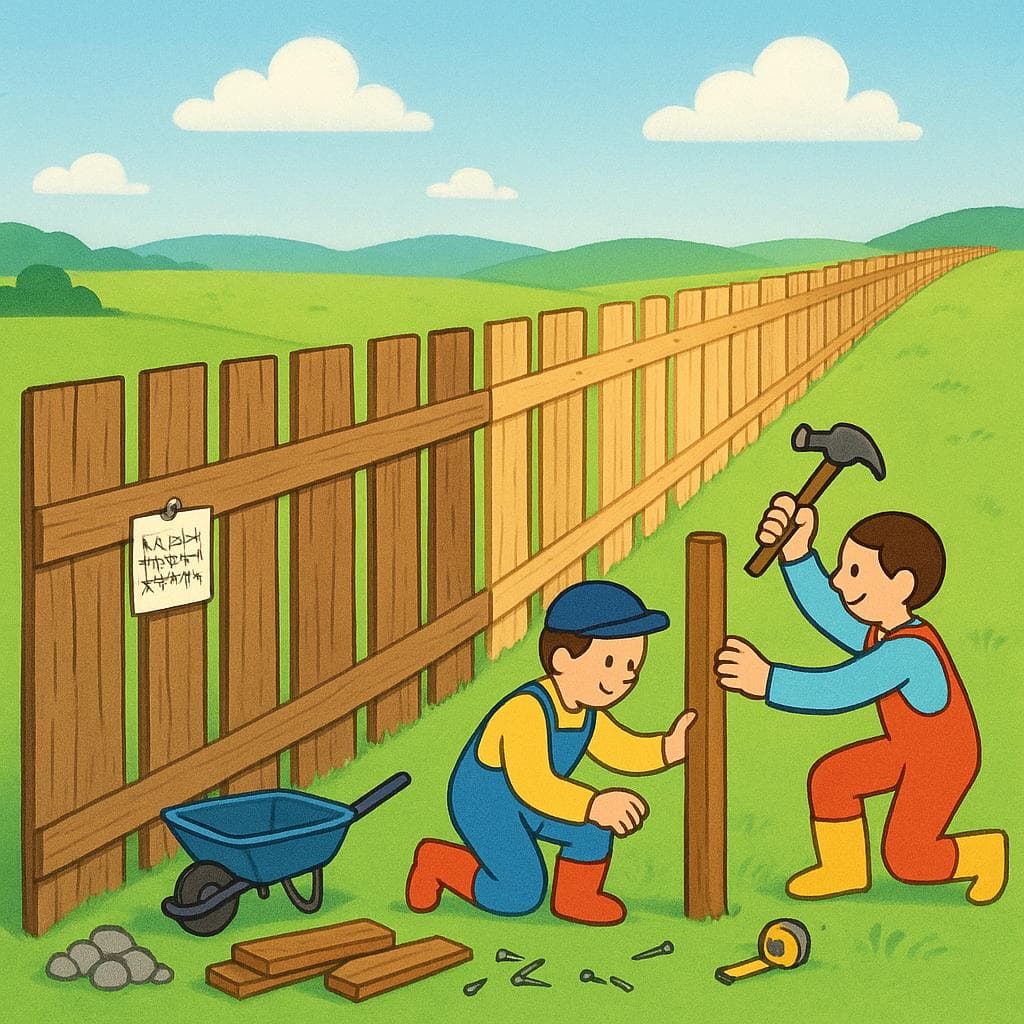
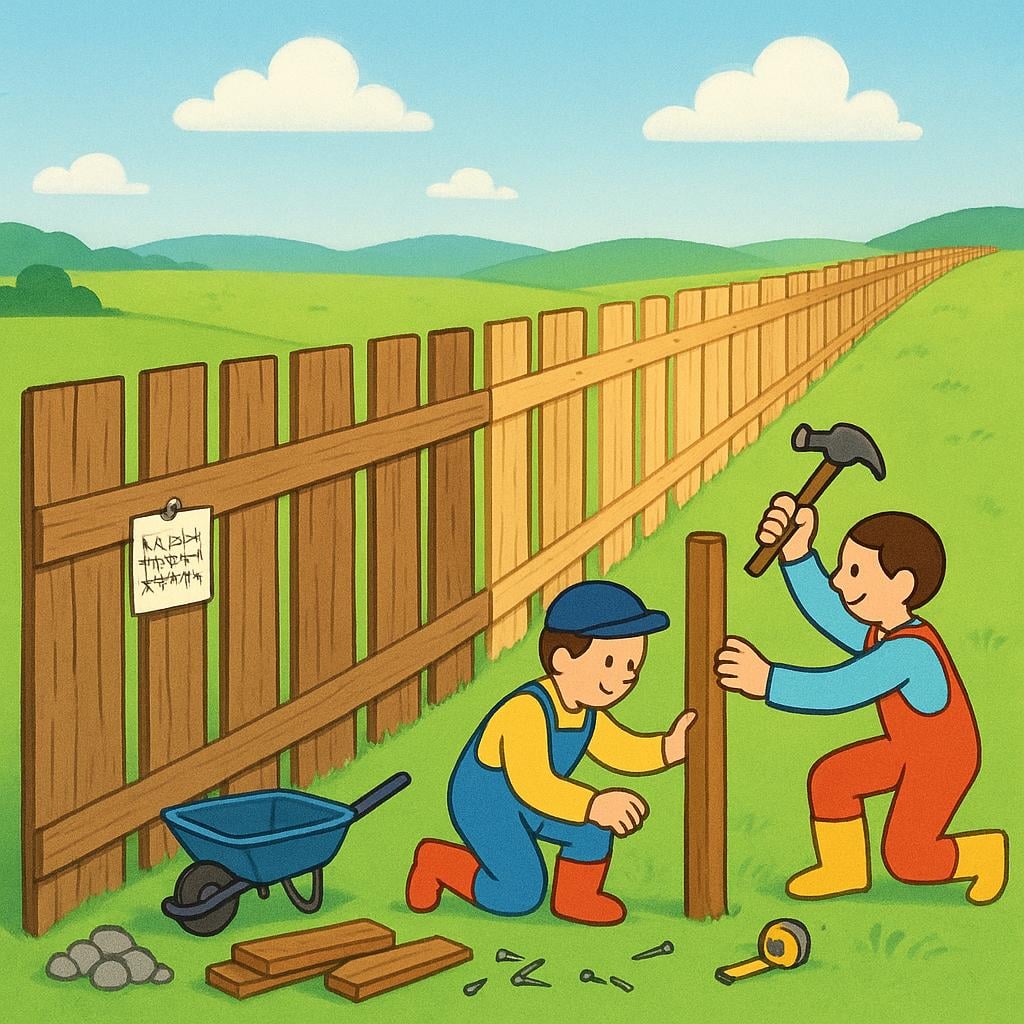
A wide view of a field where a long wooden fence has been mostly constructed. Two figures are seen finishing the last section of the fence.

This visualizes 'they had been (doing something)', emphasizing an activity that took place over a period of time.

llevaban(verb)

B1regular ar

they had been (doing something)

?

measuring time, duration

,

they were managing

?

handling a relationship or situation

Also:

they were putting up with

?

enduring (often used with 'con')

📝 In Action

Llevaban cinco años de novios cuando se casaron.

B1

They had been dating for five years when they got married. (They were carrying five years of being engaged).

Antes, ellos llevaban una vida muy tranquila en el campo.

B2

Before, they led a very quiet life in the countryside.

Llevaban la situación con mucha calma, a pesar de los problemas.

B2

They were handling the situation very calmly, despite the problems.

Word Connections

Synonyms

  • gestionaban (they were managing)
  • aguantaban (they were enduring)

Common Collocations

  • llevaban tiempothey had been doing for a while

💡 Grammar Points

Expressing Duration in the Past

To say how long something had been happening, Spanish often uses the Imperfect 'llevar' plus a period of time: 'Llevaban meses esperándonos' (They had been waiting for us for months).

❌ Common Pitfalls

Using 'Estar' for Time Duration

Mistake: "Estaban tres años casados."

Correction: Llevaban tres años casados. (Use 'llevar' to express duration up until a point in the past.)

🔄 Conjugations

indicative

present

vosotroslleváis
él/ella/ustedlleva
llevas
yollevo
nosotrosllevamos
ellos/ellas/ustedesllevan

preterite

vosotrosllevasteis
él/ella/ustedllevó
llevaste
yollevé
nosotrosllevamos
ellos/ellas/ustedesllevaron

imperfect

vosotrosllevabais
él/ella/ustedllevaba
llevabas
yollevaba
nosotrosllevábamos
ellos/ellas/ustedesllevaban

subjunctive

present

vosotrosllevéis
él/ella/ustedlleve
lleves
yolleve
nosotrosllevemos
ellos/ellas/ustedeslleven

imperfect

vosotrosllevarais/llevaseis
él/ella/ustedllevara/llevase
llevaras/llevases
yollevara/llevase
nosotroslleváramos/llevásemos
ellos/ellas/ustedesllevaran/llevasen

✏️ Quick Practice

💡 Quick Quiz: llevaban

Question 1 of 2

Which meaning of 'llevaban' is used in the sentence: 'Llevaban diez horas caminando cuando se detuvieron'?

📚 More Resources

Word Family

llevar(to carry, to take) - verb

Frequently Asked Questions

What is the difference between 'llevaban' and 'llevaron'?

'Llevaban' (Imperfect) describes an ongoing or habitual action in the past ('They were carrying,' 'They used to carry'). 'Llevaron' (Preterite) describes a single, completed action in the past ('They carried/took it once').

Who is 'llevaban' referring to?

It can refer to 'ellos' (they, masculine), 'ellas' (they, feminine), or 'ustedes' (you all, formal plural).