llevarlos
“llevarlos” means “to take them” in Spanish. It has 2 different meanings depending on context:
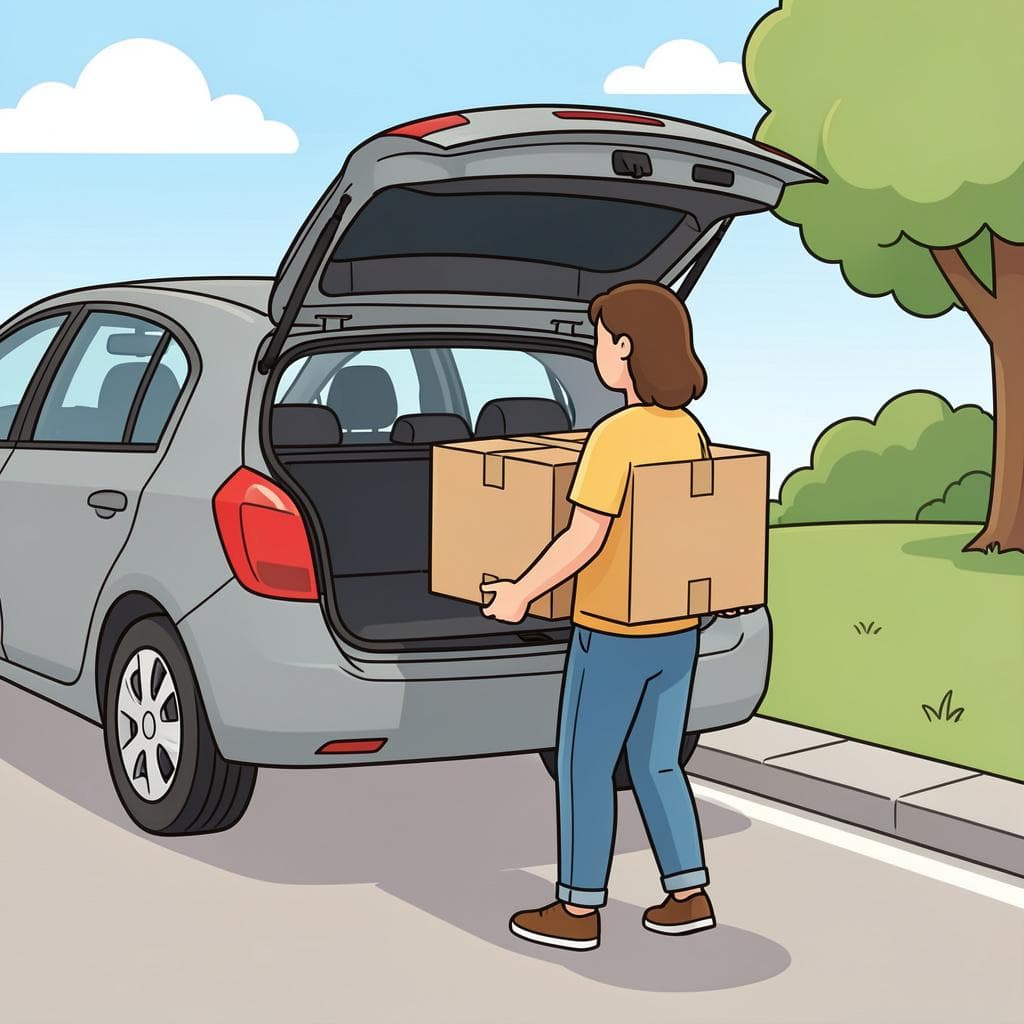

to take them, to carry them
Also: to drive them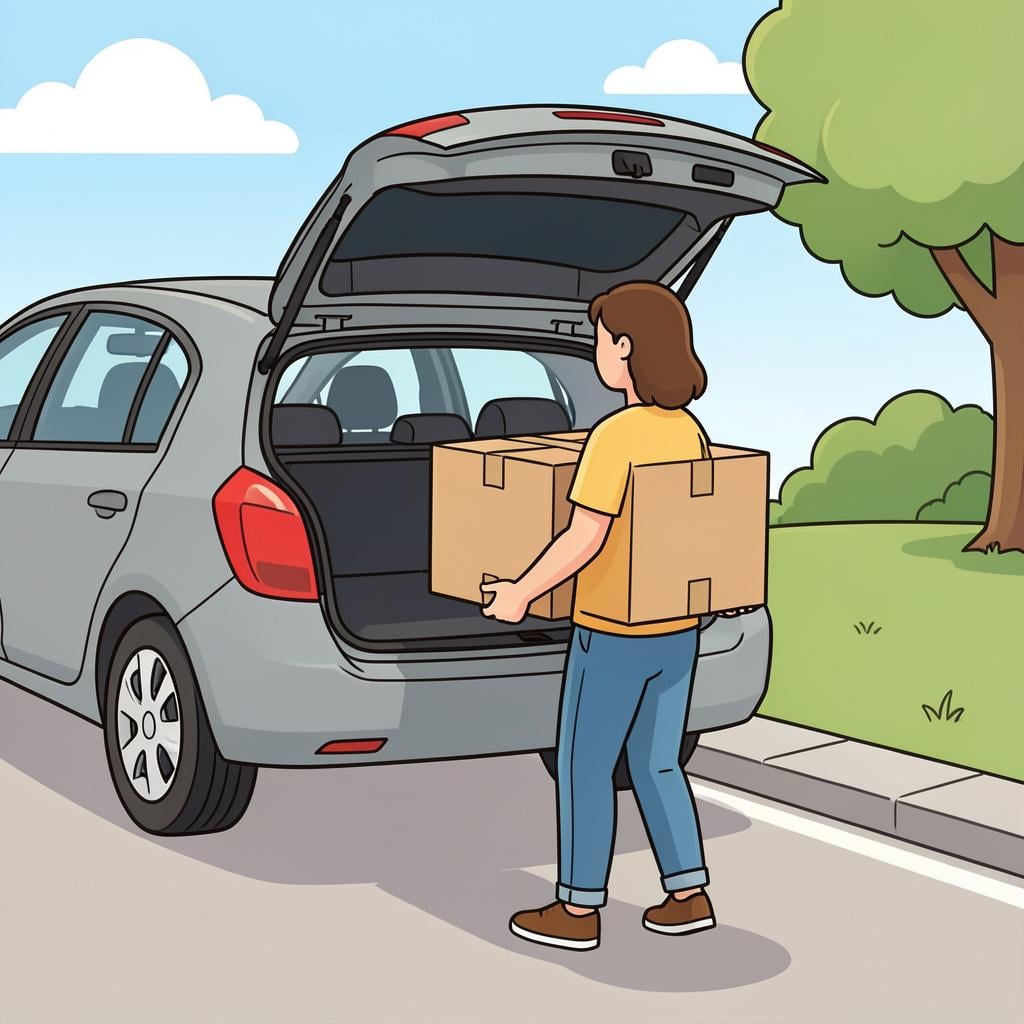
📝 In Action
Tengo los libros y voy a llevarlos a la biblioteca.
A1I have the books and I am going to take them to the library.
Si tus amigos no tienen coche, puedes llevarlos tú.
A2If your friends don't have a car, you can drive them.
to wear them

📝 In Action
Esos pantalones son muy bonitos, deberías llevarlos hoy.
A1Those pants are very pretty, you should wear them today.
Subjunctive
Imperfect Subjunctive
Present Subjunctive
Indicative
Preterite
Imperfect
Present
✏️ Quick Practice
Quick Quiz: llevarlos
Question 1 of 2
Which sentence means 'I want to wear them (the shoes)'?
📚 More Resources
👥 Word Family▼
📚 Etymology▼
From the Spanish verb 'llevar' (originating from Latin 'levare', meaning to lift or raise) plus the direct object pronoun 'los' (them).
First recorded: 13th century (base verb)
Cognates (Related words)
💡 Master Spanish
Take your Spanish to the next level. Read 200+ illustrated and narrated Spanish stories tailored to your level with the Inklingo app!
Frequently Asked Questions
Why is the 'los' at the end and not at the beginning?
In Spanish, when a verb is in its 'infinitive' form (the basic 'to' form like 'to take'), pronouns like 'them' are required to stick to the end of the word.
Does 'llevarlos' only apply to people?
No, it can apply to anything that is masculine and plural, such as 'libros' (books), 'perros' (dogs), or 'amigos' (friends).