lloviendo
“lloviendo” means “raining” in Spanish (active weather happening right now).
raining
Also: showering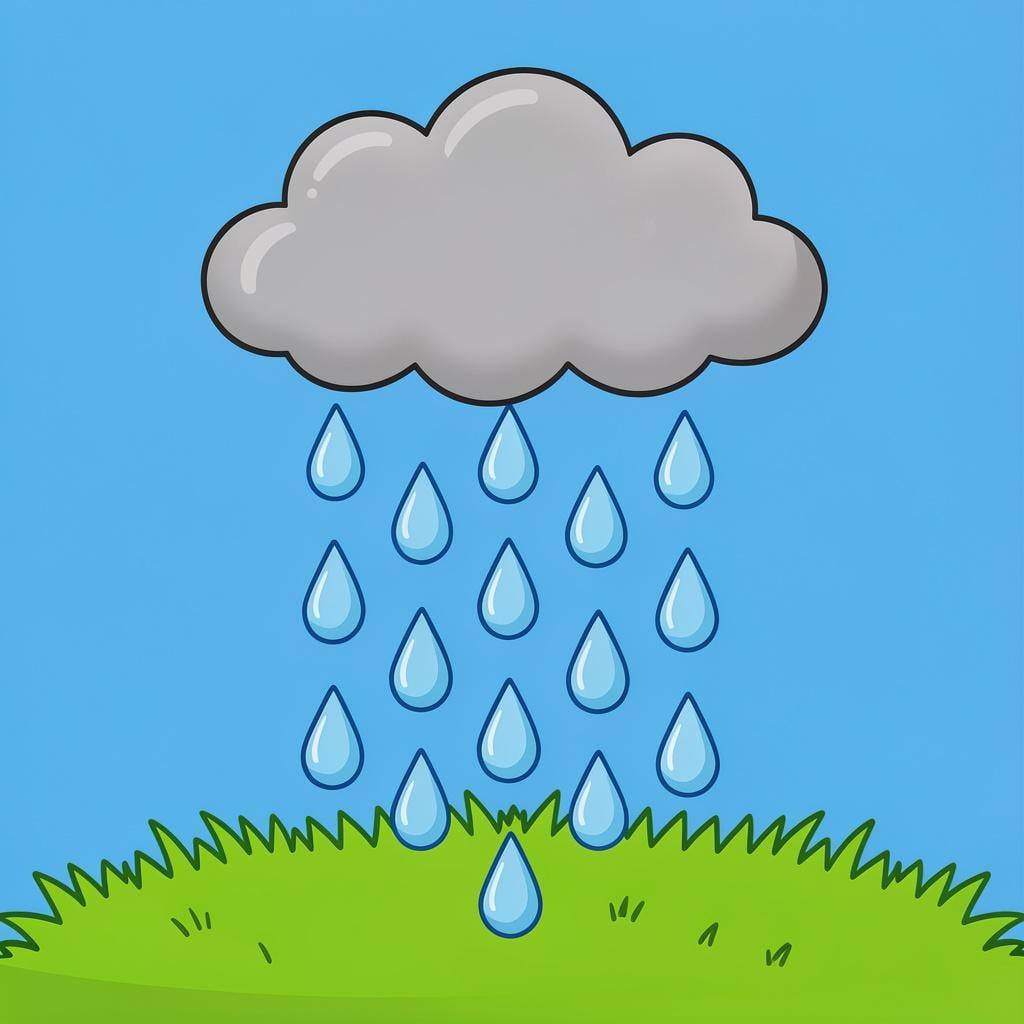
📝 In Action
Está lloviendo mucho hoy.
A1It is raining a lot today.
Lleva lloviendo tres días seguidos.
B1It has been raining for three days straight.
Están lloviendo críticas sobre el actor.
B2Criticisms are raining down on the actor.
🔄 Conjugations
subjunctive
imperfect
present
indicative
preterite
imperfect
present
Translate to Spanish
✏️ Quick Practice
Quick Quiz: lloviendo
Question 1 of 2
How do you say 'It is raining' in Spanish?
📚 More Resources
👥 Word Family▼
📚 Etymology▼
From the Latin word 'plovere,' which means 'to rain.' The 'pl-' sound turned into the 'll-' sound in Spanish over centuries.
First recorded: 12th century
Cognates (Related words)
💡 Master Spanish
Take your Spanish to the next level. Read 200+ illustrated and narrated Spanish stories tailored to your level with the Inklingo app!
Frequently Asked Questions
Does 'lloviendo' ever change its ending?
No. When used to mean 'raining,' it always stays as 'lloviendo' regardless of the sentence.
Can I use 'lloviendo' without the word 'está'?
Yes, in short phrases like '¡Mira, está lloviendo!' or when it follows other verbs like 'Sigue lloviendo' (It keeps raining).