madame
“madame” means “madam” in Spanish. It has 2 different meanings depending on context:
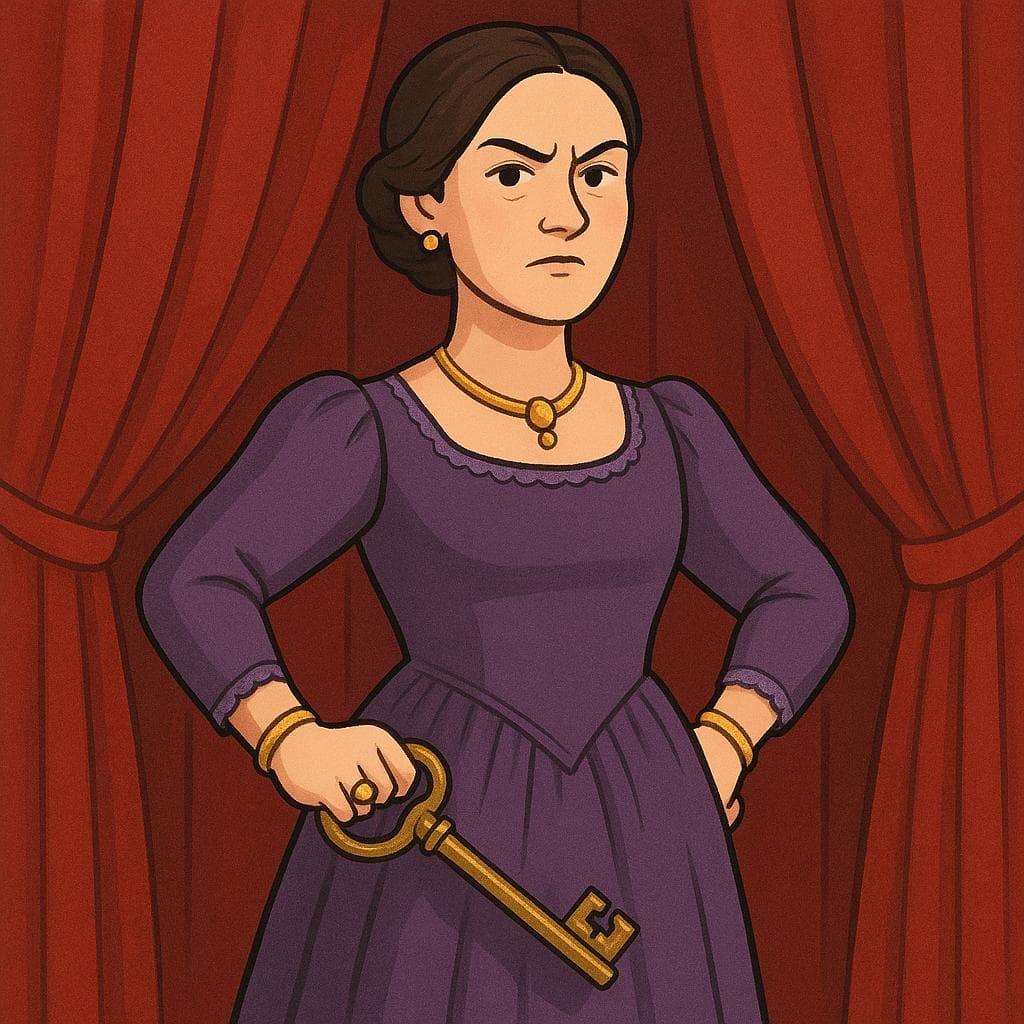
madam, mistress

📝 In Action
La madame del local fue arrestada por la policía.
B2The madam of the establishment was arrested by the police.
Todos le temían a la madame, era una mujer de carácter fuerte.
C1Everyone was afraid of the madam; she was a woman with a strong character.
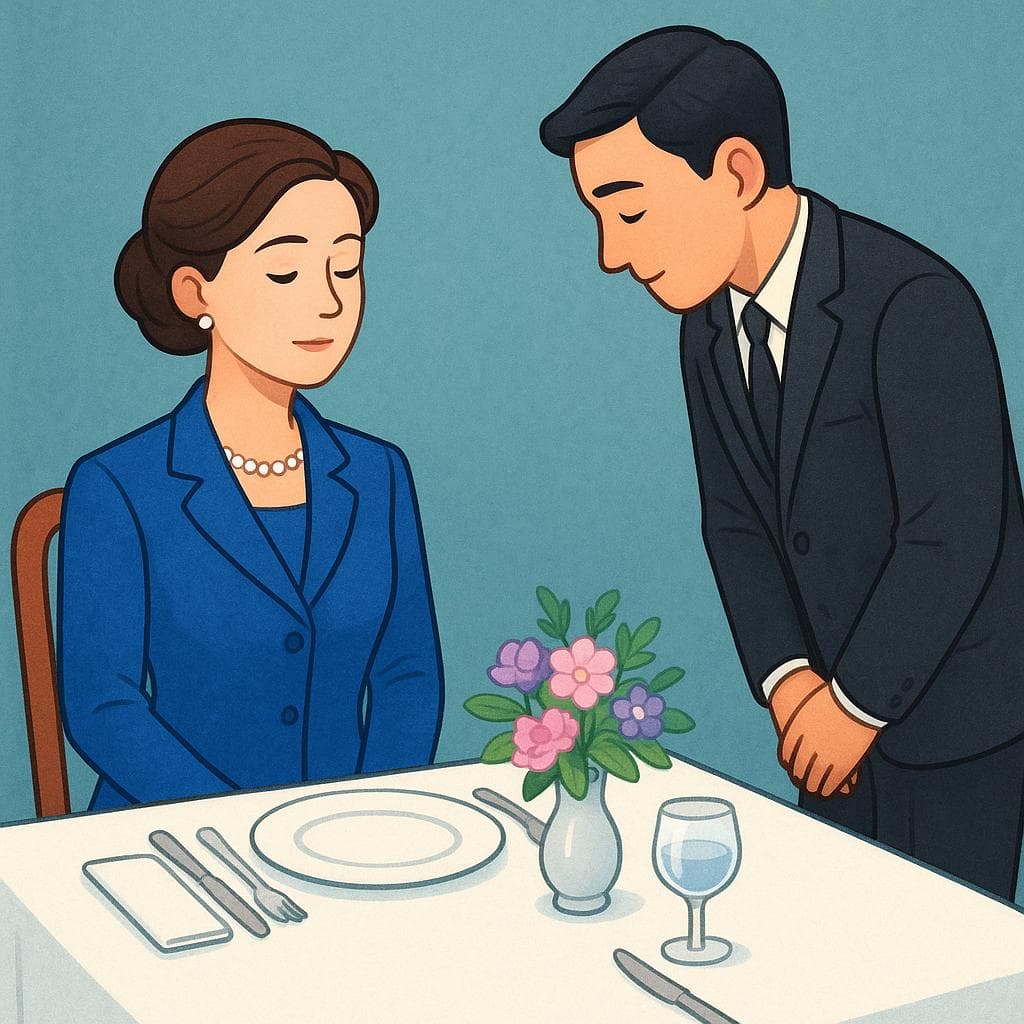
Madam
Also: Mrs.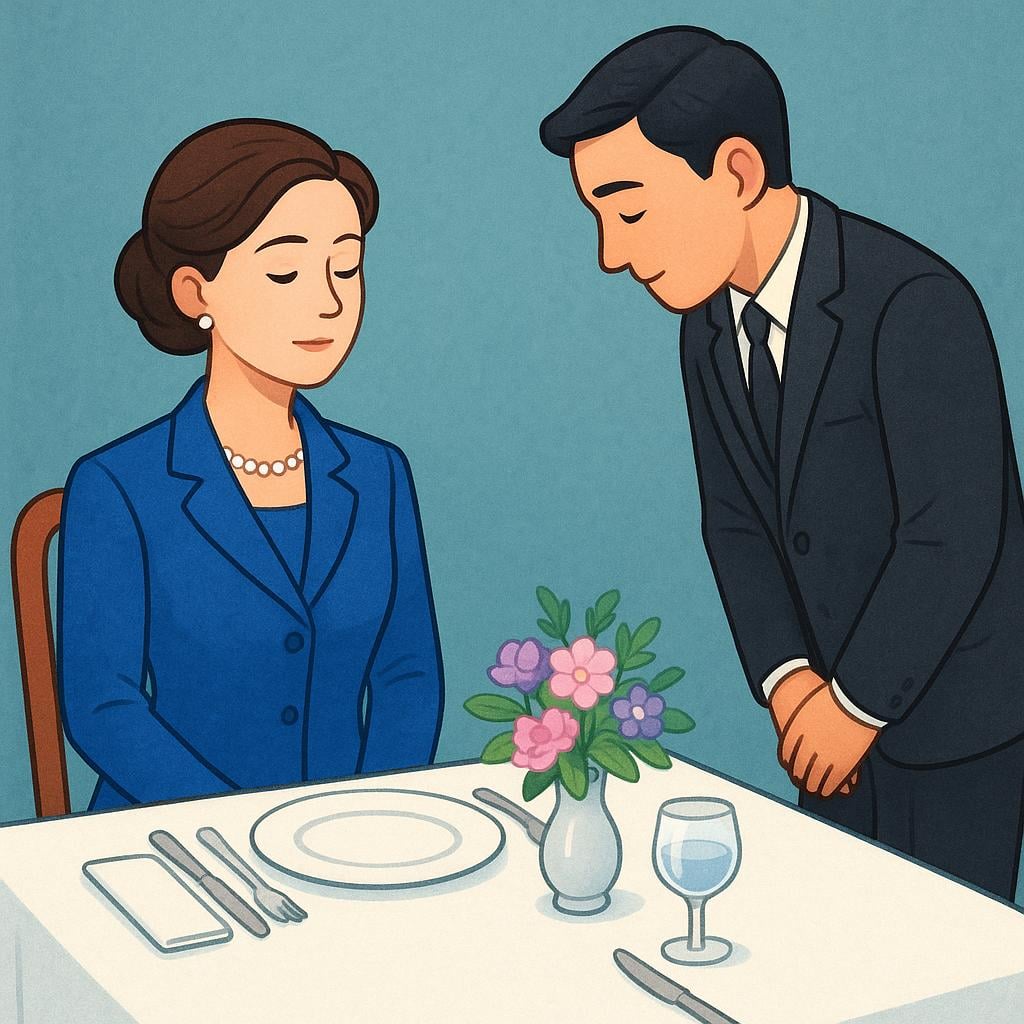
📝 In Action
El embajador saludó a Madame Dubois con una reverencia.
C1The ambassador greeted Madam Dubois with a bow.
En Francia, el título de 'madame' se usa para dirigirse a cualquier mujer casada o mayor.
B2In France, the title 'madame' is used to address any married or older woman.
✏️ Quick Practice
Quick Quiz: madame
Question 1 of 2
If you are introducing your French female boss to a client, which Spanish equivalent or title is most appropriate?
📚 More Resources
🎵 Rhymes▼
📚 Etymology▼
Borrowed directly from the French word 'madame,' which literally means 'my lady' ('ma' + 'dame'). It entered Spanish usage primarily through cultural contact and literature.
First recorded: 19th century (in Spanish literature)
Cognates (Related words)
💡 Master Spanish
Take your Spanish to the next level. Read 200+ illustrated and narrated Spanish stories tailored to your level with the Inklingo app!
Frequently Asked Questions
Is 'madame' a common word in everyday Spanish conversation?
Not usually. It is used in specific contexts: either when discussing French culture/people or, more commonly, when referring to the manager of a brothel. For general address, use 'Señora' or 'Señorita'.
How is the Spanish pronunciation different from the French?
In French, the final 'e' is silent. In Spanish, we pronounce the final 'e' clearly, making it sound like 'mah-DAHM-eh' (/maˈðame/).