maestros
“maestros” means “teachers” in Spanish. It has 2 different meanings depending on context:

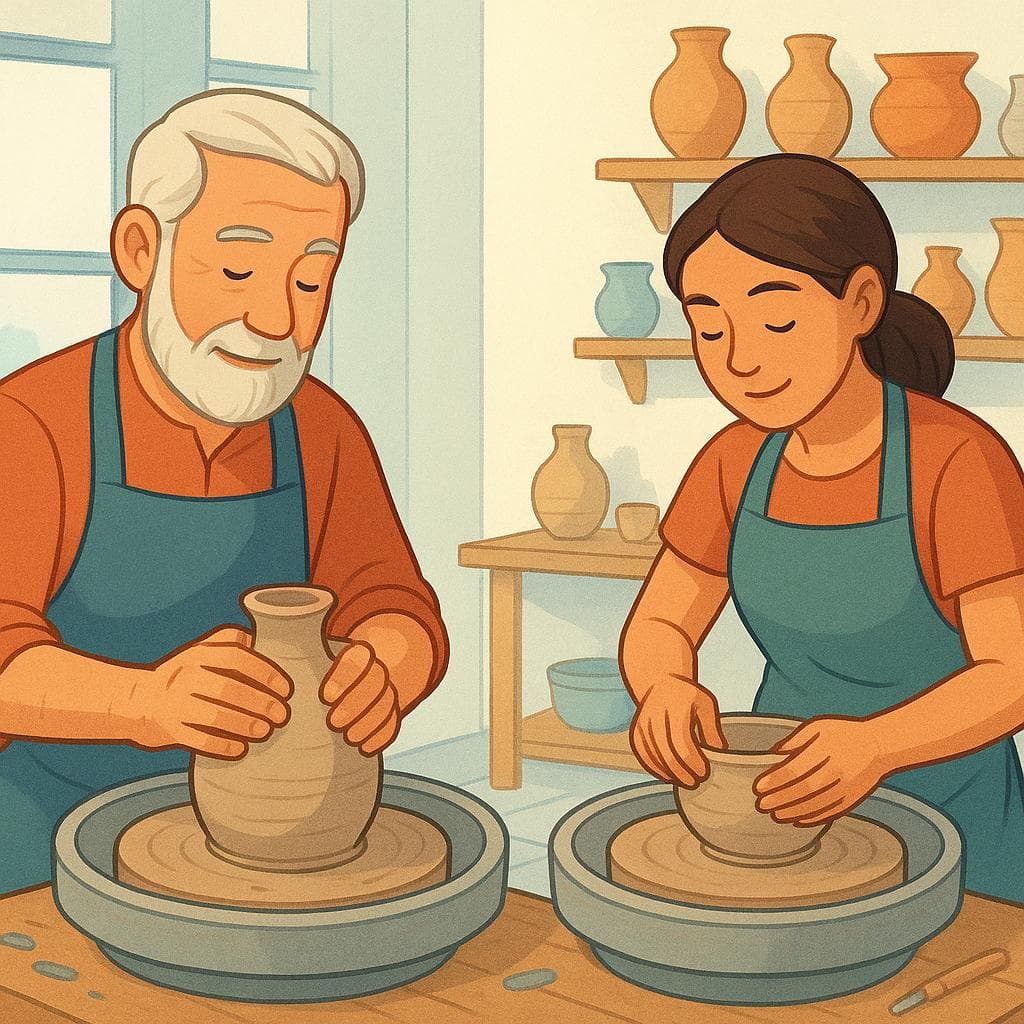
teachers
Also: instructors, schoolteachers
📝 In Action
Los maestros de la escuela primaria están en una reunión.
A1The elementary school teachers are in a meeting.
Necesitamos más maestros dedicados a la ciencia.
A2We need more teachers dedicated to science.
masters
Also: foremen, craftsmen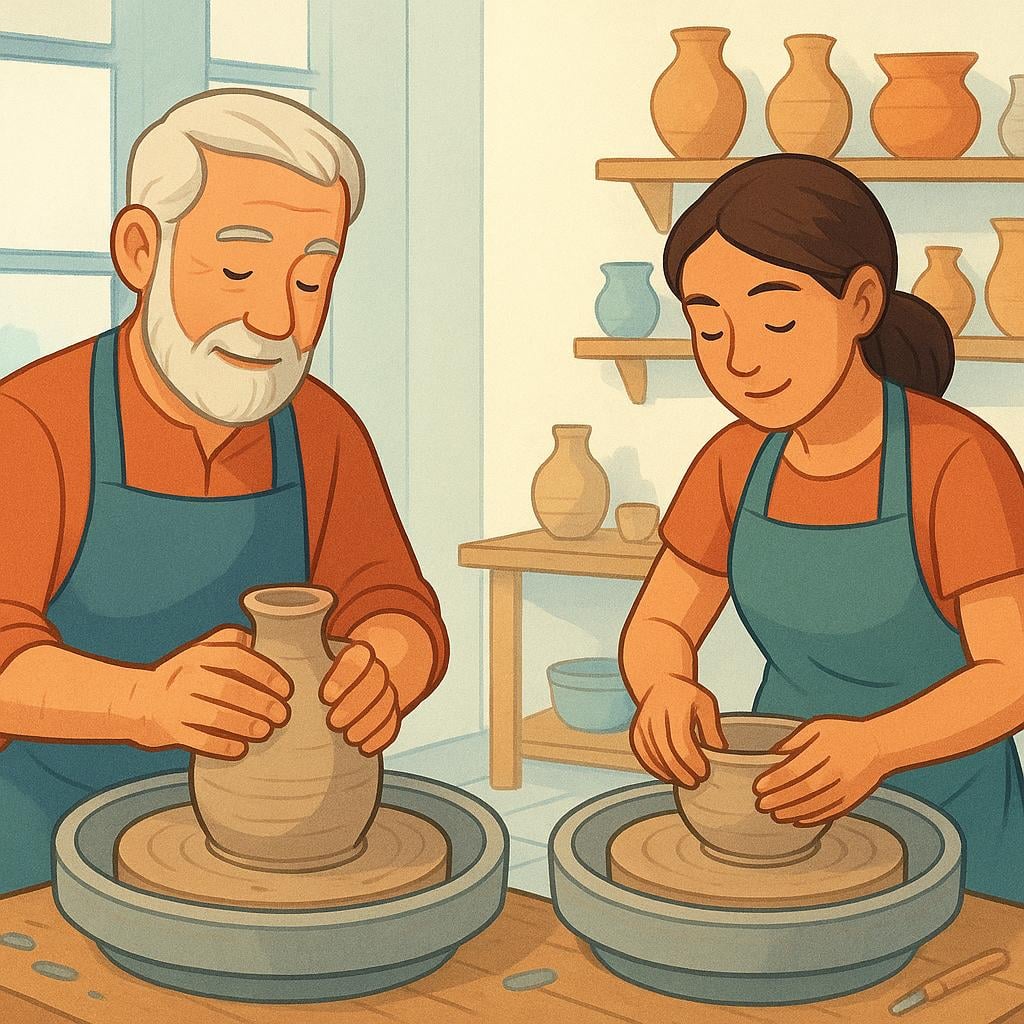
📝 In Action
Los viejos maestros de la carpintería enseñaron a los jóvenes.
B1The old masters of carpentry taught the young people.
Los maestros de obra revisaron los planos antes de empezar.
B2The foremen (or lead builders) reviewed the blueprints before starting.
Translate to Spanish
Words that translate to "maestros" in Spanish:
craftsmen→foremen→instructors→masters→schoolteachers→teachers→✏️ Quick Practice
Quick Quiz: maestros
Question 1 of 2
Which sentence correctly uses 'maestros' to refer to a group of 8 women and 2 men?
📚 More Resources
👥 Word Family▼
🎵 Rhymes▼
📚 Etymology▼
The word comes from the Latin term 'magister,' which meant 'chief,' 'director,' or 'master.' It traveled through Old Spanish to become 'maestro,' retaining the original sense of someone who commands knowledge or skills.
First recorded: 12th century
Cognates (Related words)
💡 Master Spanish
Take your Spanish to the next level. Read 200+ illustrated and narrated Spanish stories tailored to your level with the Inklingo app!
Frequently Asked Questions
What is the difference between 'maestros' and 'profesores'?
Both mean 'teachers,' but 'maestros' is often used for elementary or primary school teachers, especially in Latin America. 'Profesores' usually refers to secondary school (high school) or university teachers.
How do I know if 'maestros' means teachers or experts?
Context is key! If the sentence mentions a school, students, or classrooms, it means teachers. If it mentions carpentry, art, or construction ('maestros de obra'), it means highly skilled experts or masters.