mantiene
“mantiene” means “keeps” in Spanish. It has 3 different meanings depending on context:
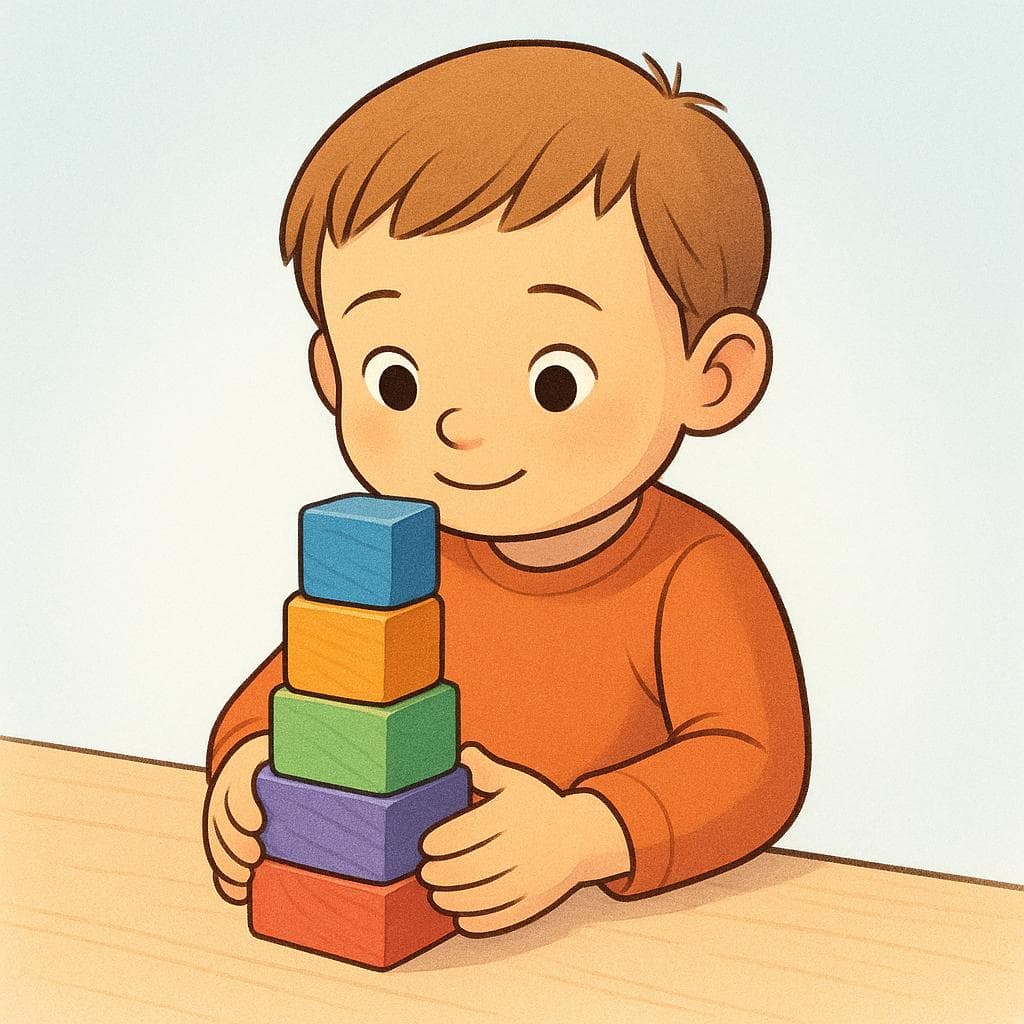


keeps, maintainsAlso: preserves
📝 In Action
Ella mantiene su coche muy limpio.
A2She keeps her car very clean.
El presidente mantiene su promesa de subir los salarios.
B1The president maintains his promise to raise salaries.
¿Cómo se mantiene la calma en situaciones de estrés?
B1How does one maintain calm in stressful situations?
Word Connections
supports, provides forAlso: feeds

📝 In Action
Su trabajo mantiene a toda su familia.
B1His job supports his entire family.
El gobierno mantiene un programa de ayuda social.
B2The government maintains (funds) a social aid program.
Word Connections
upholds, sustainsAlso: affirms

📝 In Action
A pesar de la crítica, él mantiene su argumento original.
B2Despite the criticism, he upholds his original argument.
La estructura de la torre se mantiene incluso con viento fuerte.
C1The structure of the tower sustains itself even with strong wind.
Word Connections
Indicative
Present
Imperfect
Preterite
Subjunctive
Present Subjunctive
Imperfect Subjunctive
Translate to Spanish
✏️ Quick Practice
Quick Quiz: mantiene
Question 1 of 1
Which sentence uses 'mantiene' in the sense of 'financially supports'?
📚 More Resources
👥 Word Family
📚 Etymology
'Mantener' comes from the Latin phrase *manu tenēre*, which literally means 'to hold with the hand.' This origin helps explain why the word is used for both physically keeping something (like a building) and figuratively keeping something (like a promise or a family).
First recorded: 13th century
Cognates (Related words)
💡 Master Spanish
Take your Spanish to the next level. Read 200+ illustrated and narrated Spanish stories tailored to your level with the Inklingo app!
Frequently Asked Questions
Why is 'mantiene' spelled with 'ie' even though the infinitive is 'mantener'?
'Mantiene' is an irregular verb that follows a pattern called a stem change, just like the verb 'tener' (to have). In the present tense, the 'e' in the middle changes to 'ie' for most forms (tienes, mantiene, tienen), but not for 'nosotros' (mantenemos) or 'vosotros' (mantenéis).
If 'mantiene' means 'he maintains,' how do I say 'I maintain'?
The 'yo' (I) form is also irregular! You must say 'yo mantengo'. Remember the 'go' ending, just like 'yo tengo' (I have).