masacre
“masacre” means “massacre” in Spanish. It has 2 different meanings depending on context:
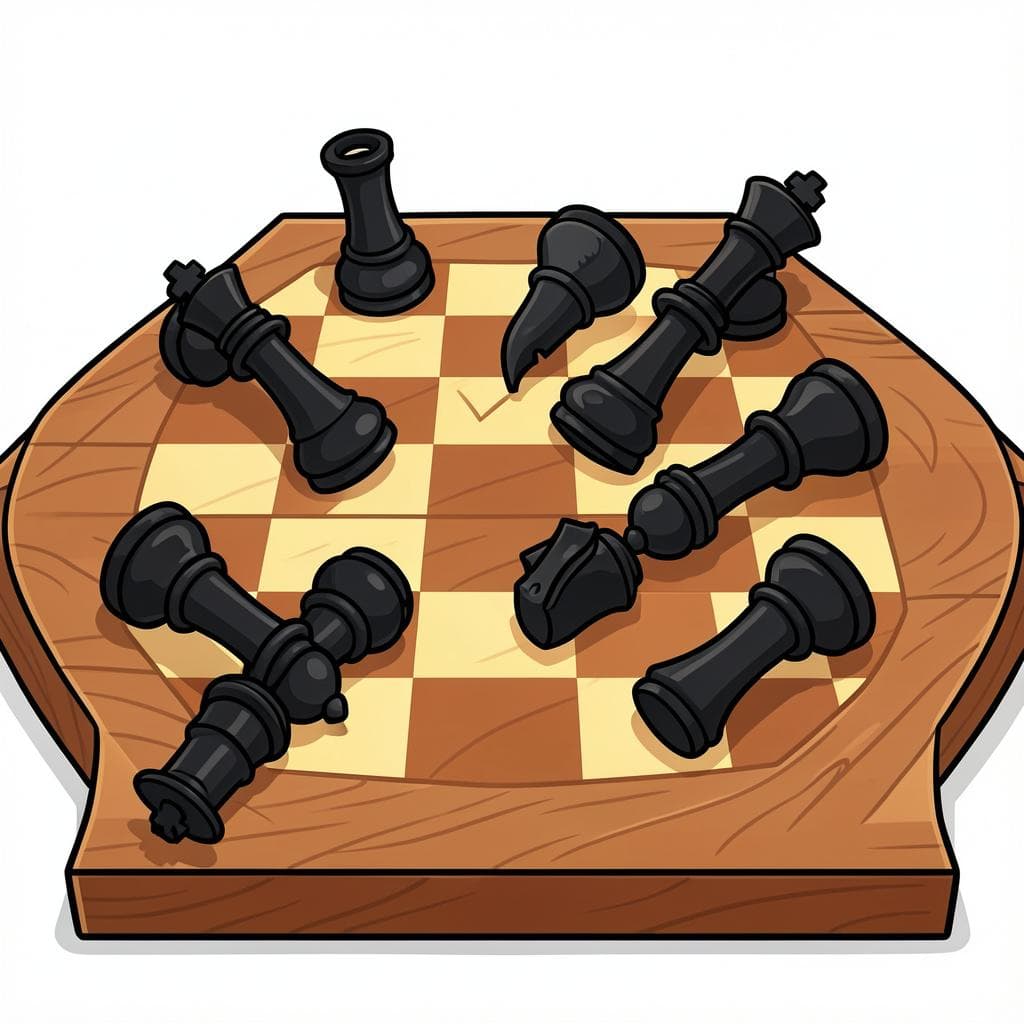
massacre
Also: slaughter, carnage
📝 In Action
Los periódicos informaron sobre la masacre en la frontera.
B1The newspapers reported on the massacre at the border.
Es necesario recordar la historia para no repetir una masacre así.
B2It is necessary to remember history so as not to repeat such a massacre.
slaughter
Also: rout, wipeout
📝 In Action
El partido de ayer fue una masacre; perdimos seis a cero.
B2Yesterday's game was a slaughter; we lost six to zero.
El examen fue una masacre, nadie aprobó.
C1The exam was a wipeout, nobody passed.
Translate to Spanish
✏️ Quick Practice
Quick Quiz: masacre
Question 1 of 2
Which article should you use with the word 'masacre'?
📚 More Resources
👥 Word Family▼
🎵 Rhymes▼
📚 Etymology▼
From the French word 'massacre', which originally referred to a butcher's shop or the act of butchering animals. It entered Spanish in the 19th century.
First recorded: 19th century
Cognates (Related words)
💡 Master Spanish
Take your Spanish to the next level. Read 200+ illustrated and narrated Spanish stories tailored to your level with the Inklingo app!
Frequently Asked Questions
Is 'masacre' masculine or feminine?
It is feminine (la masacre). Many learners assume words ending in -e are masculine, but this is one of the exceptions you should memorize.
Is 'masacre' the same as 'matanza'?
They are very similar. 'Masacre' often sounds slightly more formal or journalistic, while 'matanza' is a more traditional Spanish word that can also refer to the seasonal slaughtering of pigs.