maté
“maté” means “mate (tea)” in Spanish. It has 2 different meanings depending on context:
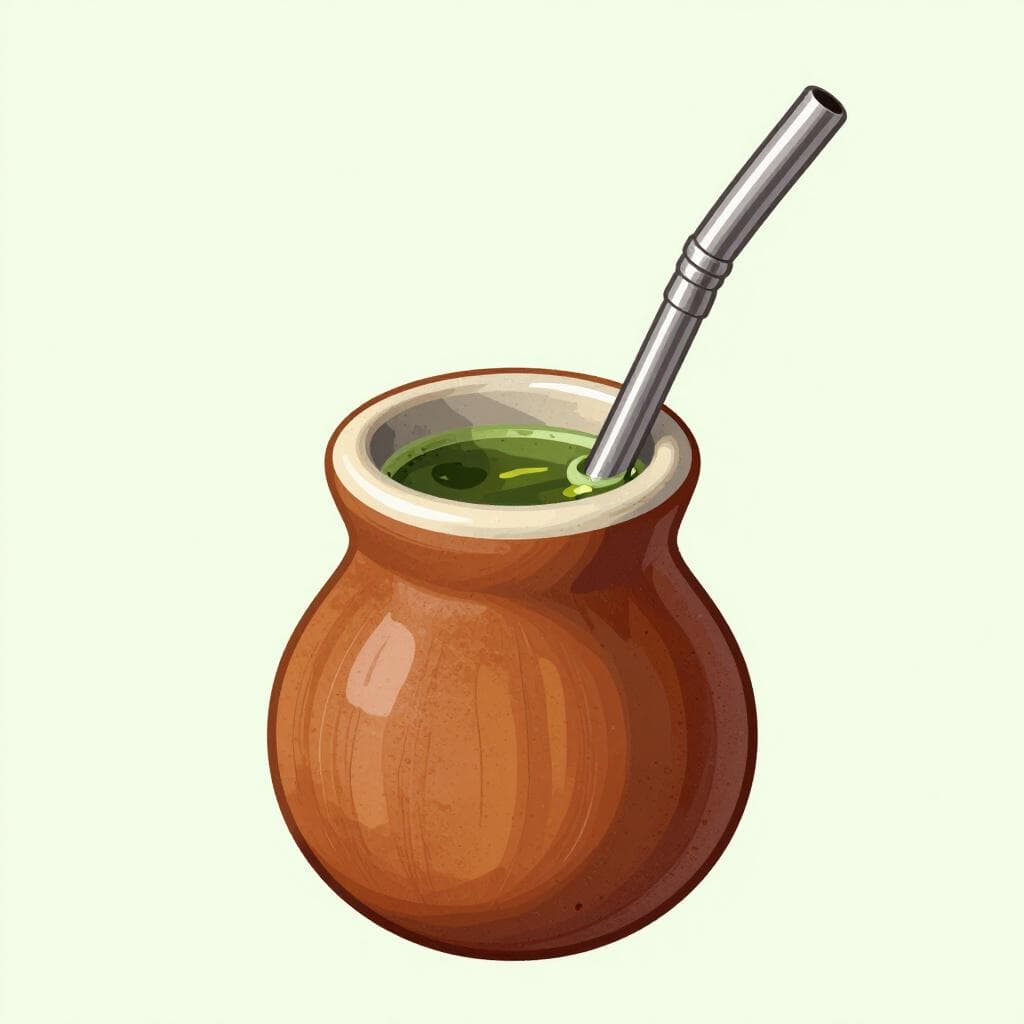

mate (tea)
Also: gourd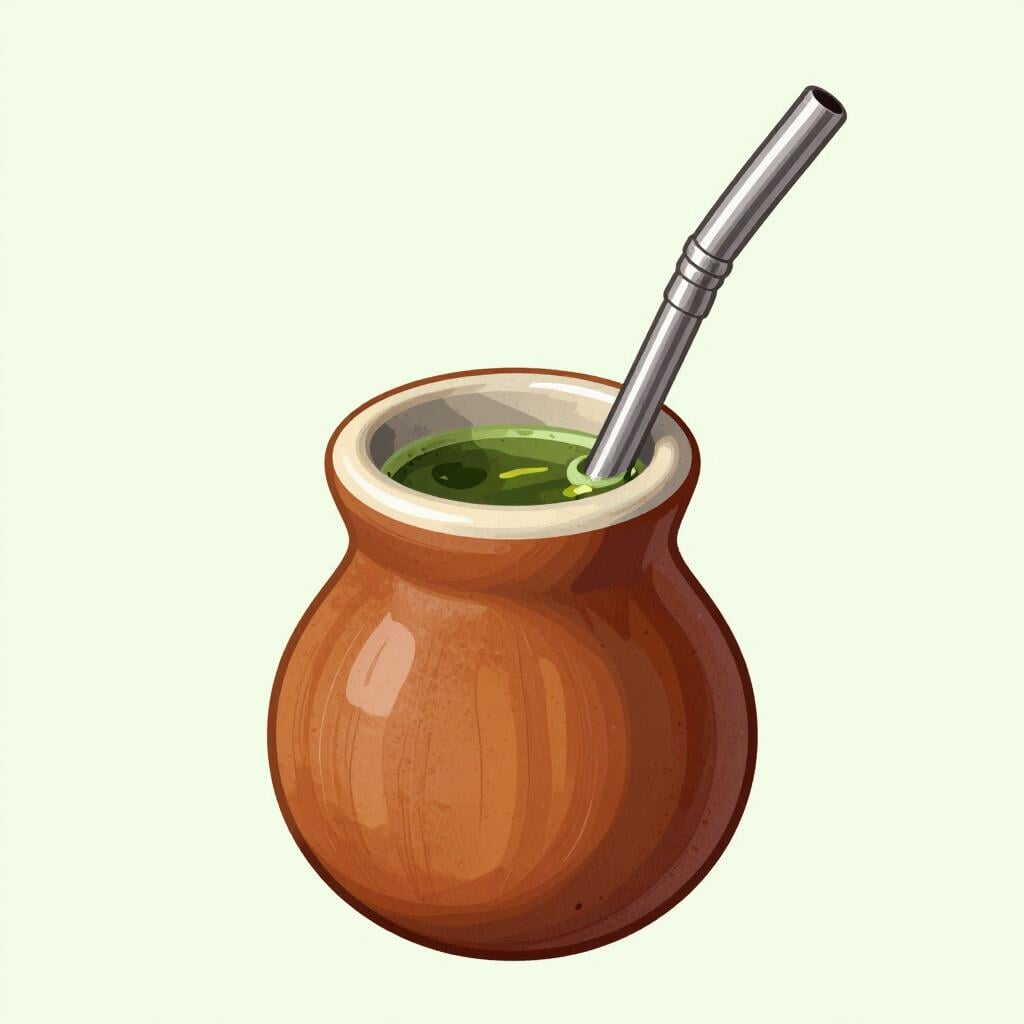
📝 In Action
¿Quieres tomar un maté conmigo?
A1Do you want to drink a mate with me?
El ritual de compartir maté es una tradición social muy importante.
B1The ritual of sharing mate is a very important social tradition.
I killed
Also: I checked (in chess)
📝 In Action
Yo maté la araña que estaba en la cocina.
A1I killed the spider that was in the kitchen.
En el ajedrez, le dije 'maté' y ganó el juego.
B2In chess, I said 'check' and he won the game.
🔄 Conjugations
subjunctive
imperfect
present
indicative
preterite
imperfect
present
Translate to Spanish
Words that translate to "maté" in Spanish:
i killed→✏️ Quick Practice
Quick Quiz: maté
Question 1 of 2
Which sentence uses 'maté' to talk about a drink?
📚 More Resources
👥 Word Family▼
🎵 Rhymes▼
📚 Etymology▼
The word 'maté' (the drink) comes from the Guaraní language, spoken by indigenous people in South America, where the tea originated. The verb form 'maté' (I killed) comes from the Latin verb *mactare*, meaning 'to sacrifice' or 'to slaughter'.
First recorded: Indigenous use predates European contact; the verb 'matar' has been in use since the early stages of Spanish.
Cognates (Related words)
💡 Master Spanish
Take your Spanish to the next level. Read 200+ illustrated and narrated Spanish stories tailored to your level with the Inklingo app!
Frequently Asked Questions
Is 'maté' a type of regular tea?
Not exactly. While it is brewed like tea, it comes from the leaves of the Yerba Mate plant, not the standard tea plant (Camellia sinensis). It is known for its strong caffeine-like stimulant called mateine.
Why does 'maté' have an accent mark?
The accent mark indicates that the stress falls on the final syllable ('tay'). This is necessary because Spanish words ending in a vowel usually put the stress on the second-to-last syllable.