me
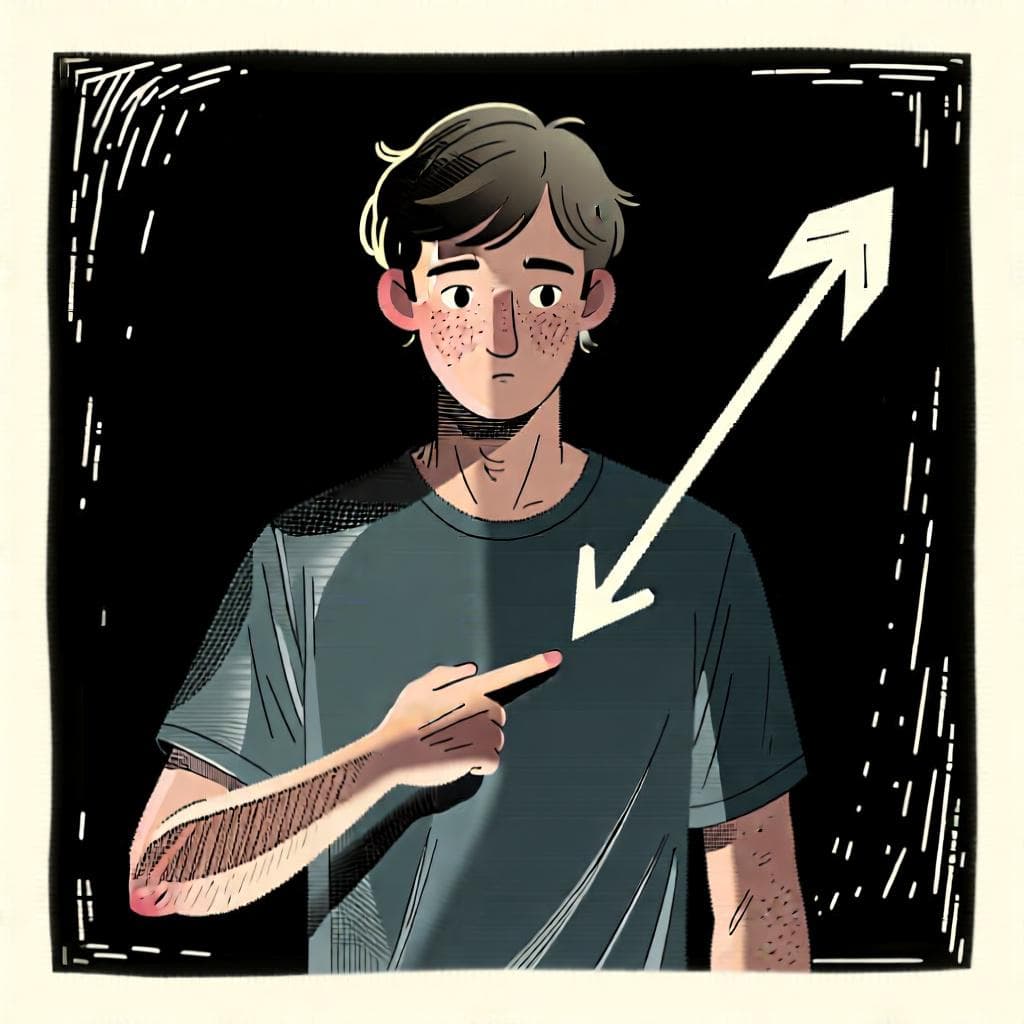
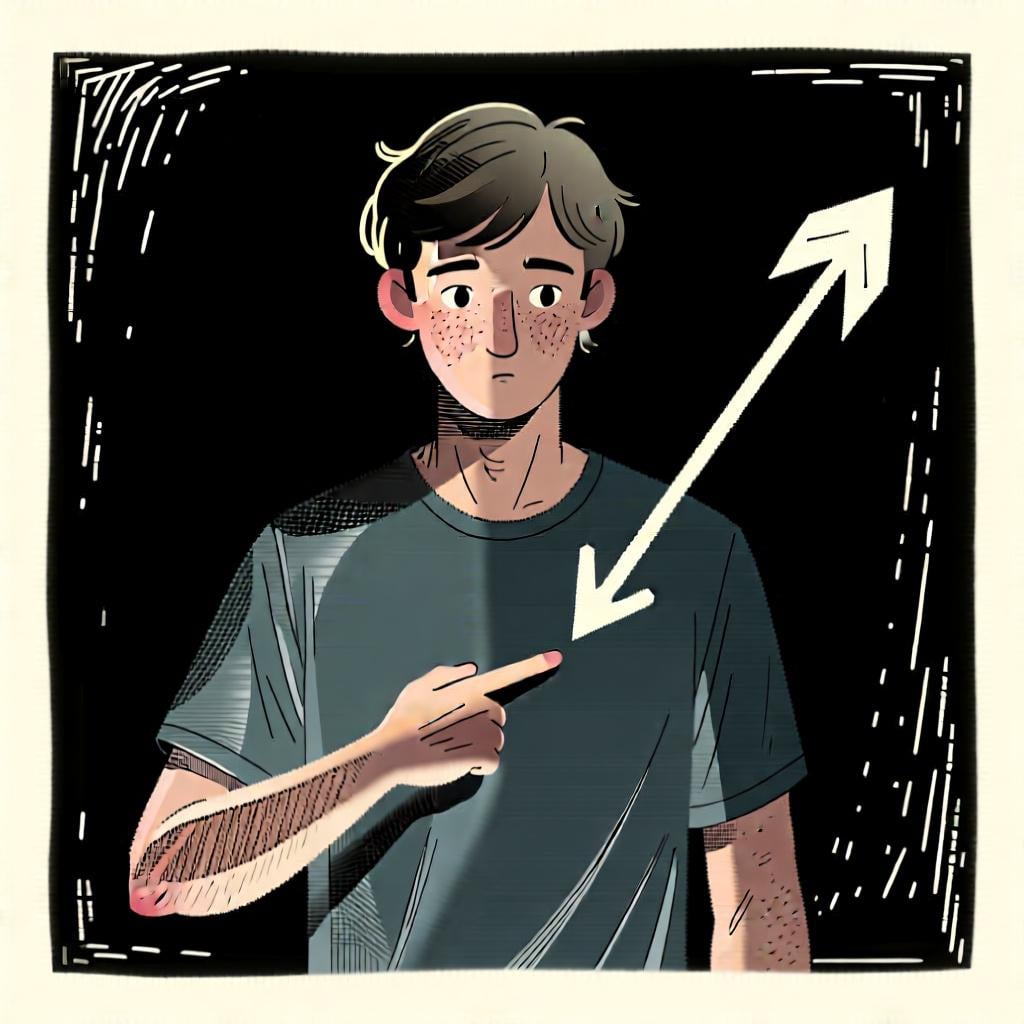
“me” means “me” in Spanish. It has 3 different meanings depending on context:


me
📝 In Action
Ella me ve.
A1She sees me.
¿Me ayudas, por favor?
A1Can you help me, please?
Mis padres me quieren mucho.
A2My parents love me a lot.
Word Connections
to me, for me

📝 In Action
Mi abuela me da dinero.
A1My grandmother gives money to me.
¿Me compras un helado?
A1Will you buy an ice cream for me?
Él me escribe una carta.
A2He writes a letter to me.
Word Connections
myself

📝 In Action
Me levanto a las siete.
A1I get (myself) up at seven.
Me ducho todos los días.
A1I shower (myself) every day.
Siempre me olvido de las llaves.
B1I always forget (myself) the keys.
Word Connections
🔀 Commonly Confused With
Translate to Spanish
🗣️ Practice in a Tongue Twister
✏️ Quick Practice
Quick Quiz: me
Question 1 of 3
Which sentence means 'He gives the book to me'?
📚 More Resources
👥 Word Family
📚 Etymology
Comes directly from the Latin word 'me', which served the same purpose. It has remained incredibly stable over thousands of years.
First recorded: Ancient, via Vulgar Latin.
Cognates (Related words)
💡 Master Spanish
Take your Spanish to the next level. Read 200+ illustrated and narrated Spanish stories tailored to your level with the Inklingo app!
Frequently Asked Questions
What's the difference between 'me' and 'mí'?
Great question! They both mean 'me', but are used in different spots. Use 'me' before a verb ('Él me llama'). Use 'mí' after small connecting words called prepositions, like 'a', 'para', or 'de'. For example: 'Este regalo es para mí' (This gift is for me).
Why do people say 'me voy' instead of just 'voy' for 'I'm leaving'?
'Voy' just means 'I go' or 'I'm going' (to a place). Adding 'me' ('me voy') changes the meaning to 'I'm leaving' or 'I'm taking off'. It adds a sense of departure from a place. It's a very common and natural way to say you're leaving.
Can 'me' ever go at the end of a verb?
Yes, it can! When you have a command ('¡Dime!' - Tell me!), an infinitive (the 'to' form of a verb, like 'ayudarme' - to help me), or the '-ing' form ('está mirándome' - he is looking at me), you can attach 'me' directly to the end.