mexicano
“mexicano” means “Mexican” in Spanish. It has 2 different meanings depending on context:

MexicanAlso: from Mexico
📝 In Action
Me encanta el picante de la comida mexicana.
A1I love the spiciness of Mexican food.
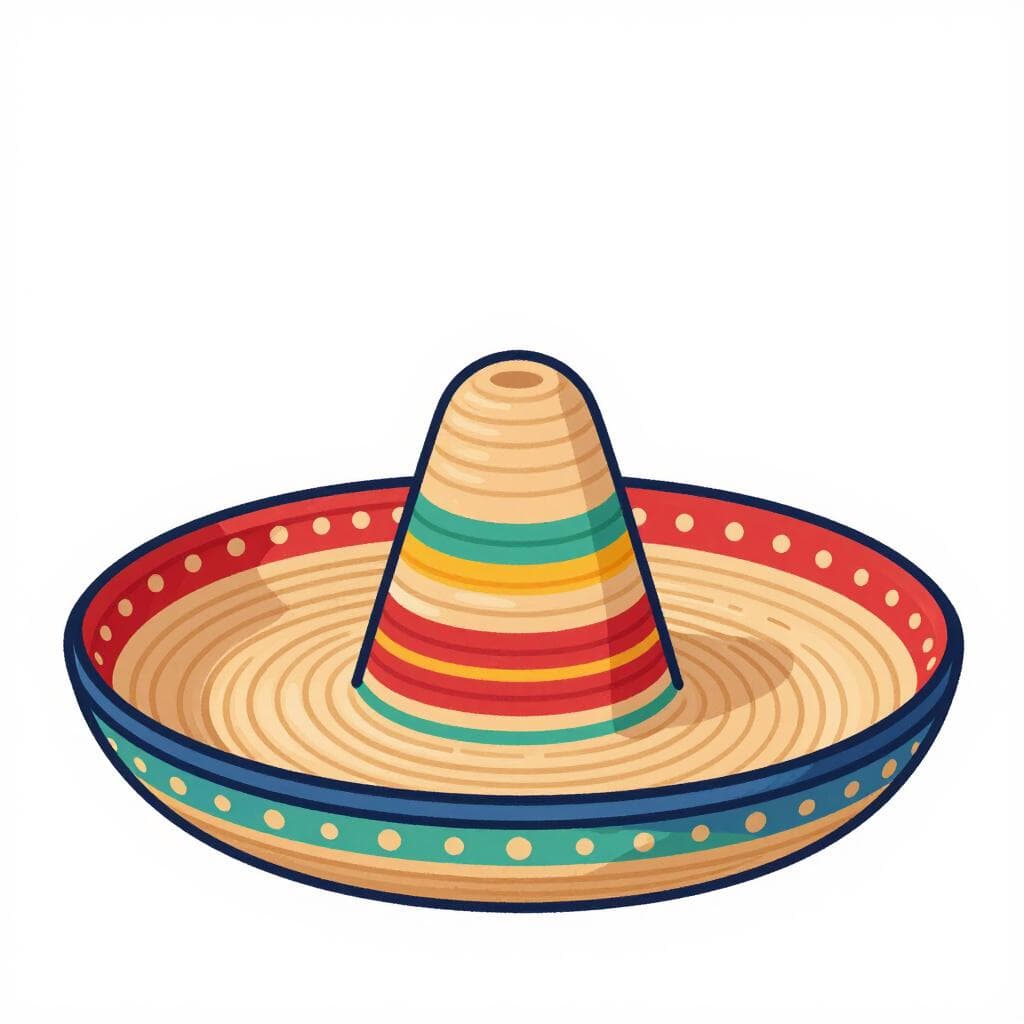
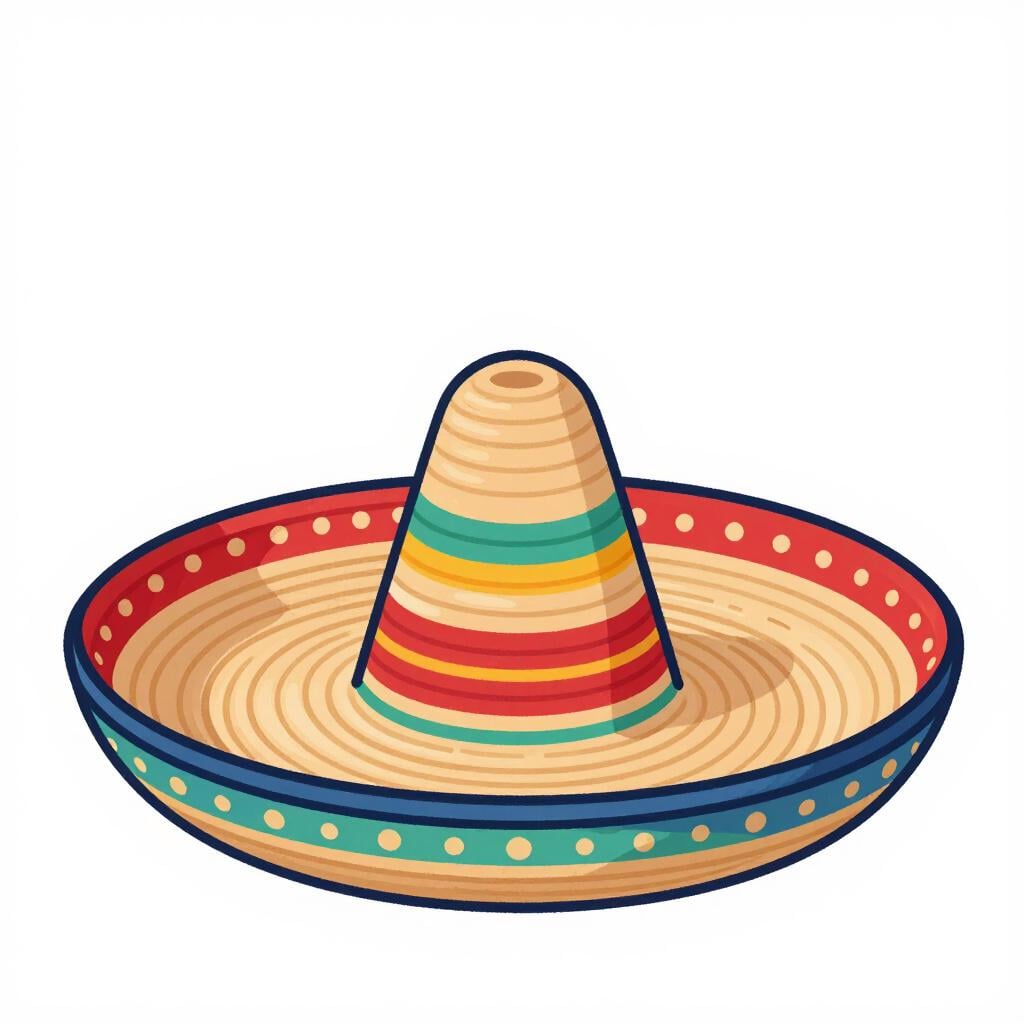
Él lleva un sombrero mexicano.
A1He is wearing a Mexican hat.
Word Connections
Mexican

📝 In Action
Ese hombre es un mexicano muy amable.
A1That man is a very kind Mexican.
Muchos mexicanos viven en los Estados Unidos.
A2Many Mexicans live in the United States.
Translate to Spanish
Words that translate to "mexicano" in Spanish:
✏️ Quick Practice
Quick Quiz: mexicano
Question 1 of 1
How do you say 'Mexican bread' in Spanish?
📚 More Resources
👥 Word Family
📚 Etymology
Comes from the word 'México' (the country) plus the ending '-ano,' which is used to show where someone or something is from. The name México itself comes from the Nahuatl language (the language of the Aztecs).
First recorded: 16th century
Cognates (Related words)
💡 Master Spanish
Take your Spanish to the next level. Read 200+ illustrated and narrated Spanish stories tailored to your level with the Inklingo app!
Frequently Asked Questions
Is 'mexicano' capitalized?
No, in Spanish, nationalities like 'mexicano,' 'español,' or 'americano' are written in lowercase.
Can I use 'mexicano' for a woman?
No, for a woman you should use the word 'mexicana.' 'Mexicano' is used for men or for masculine objects.