modales
“modales” means “manners” in Spanish (social behavior, etiquette).
mannersAlso: etiquette, behavior
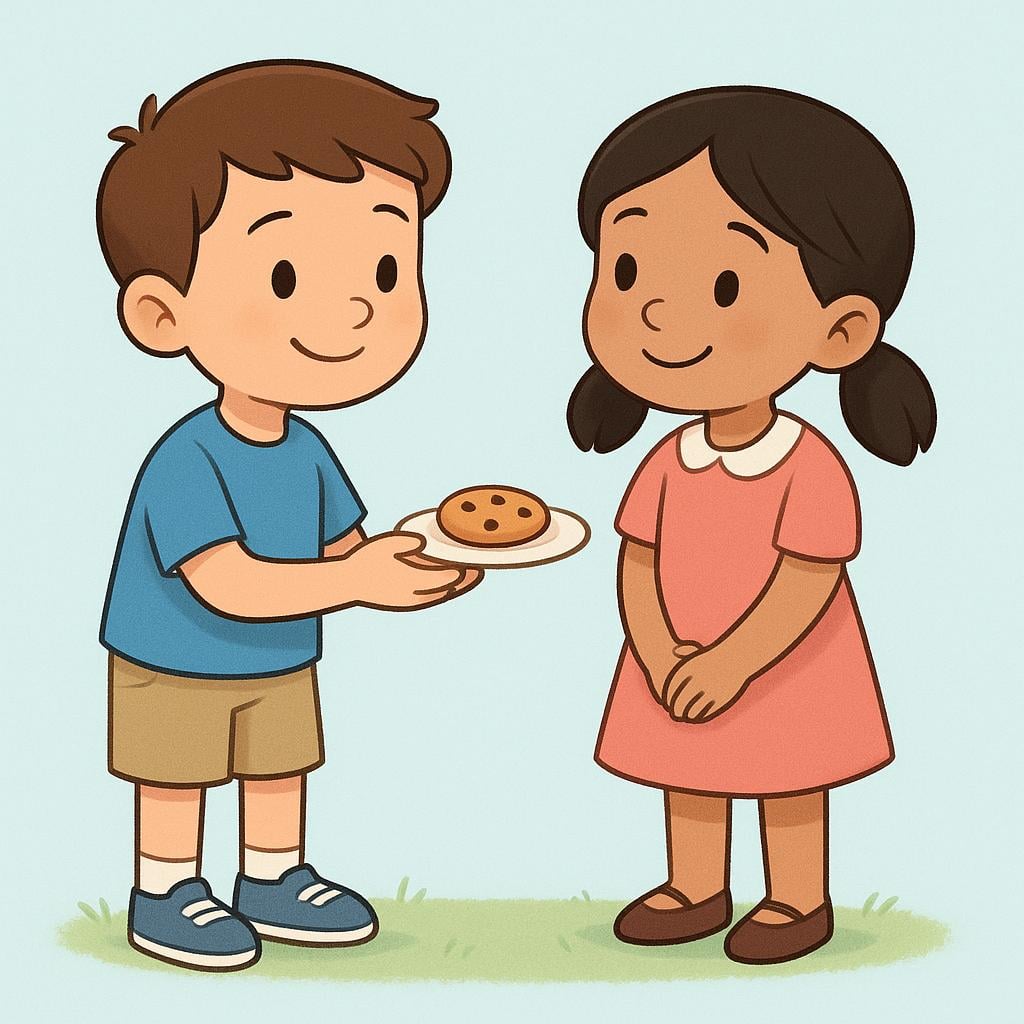
📝 In Action
Tu hijo tiene muy buenos modales en la mesa.
A2Your son has very good manners at the table.
Perdió el trabajo por sus malos modales con el cliente.
B1He lost the job because of his bad manners with the client.
En esta cultura, los modales son muy importantes.
B1In this culture, etiquette is very important.
Word Connections
✏️ Quick Practice
Quick Quiz: modales
Question 1 of 1
Which phrase correctly describes someone who behaves well at a party?
📚 More Resources
👥 Word Family
📚 Etymology
Comes from the Latin word *modus*, meaning 'measure, method, or way.' The plural form *modales* evolved in Spanish to specifically refer to the acceptable 'ways' or 'methods' of behavior in society.
First recorded: Medieval Spanish
Cognates (Related words)
💡 Master Spanish
Take your Spanish to the next level. Read 200+ illustrated and narrated Spanish stories tailored to your level with the Inklingo app!
Frequently Asked Questions
Why is 'modales' plural, even when I'm talking about one person's behavior?
Think of 'modales' as a collection of behaviors or a set of rules, similar to how we say 'the rules' or 'the manners' (plural) in English. It is simply a word that functions almost exclusively in the plural form.