mono
“mono” means “monkey” in Spanish. It has 3 different meanings depending on context:
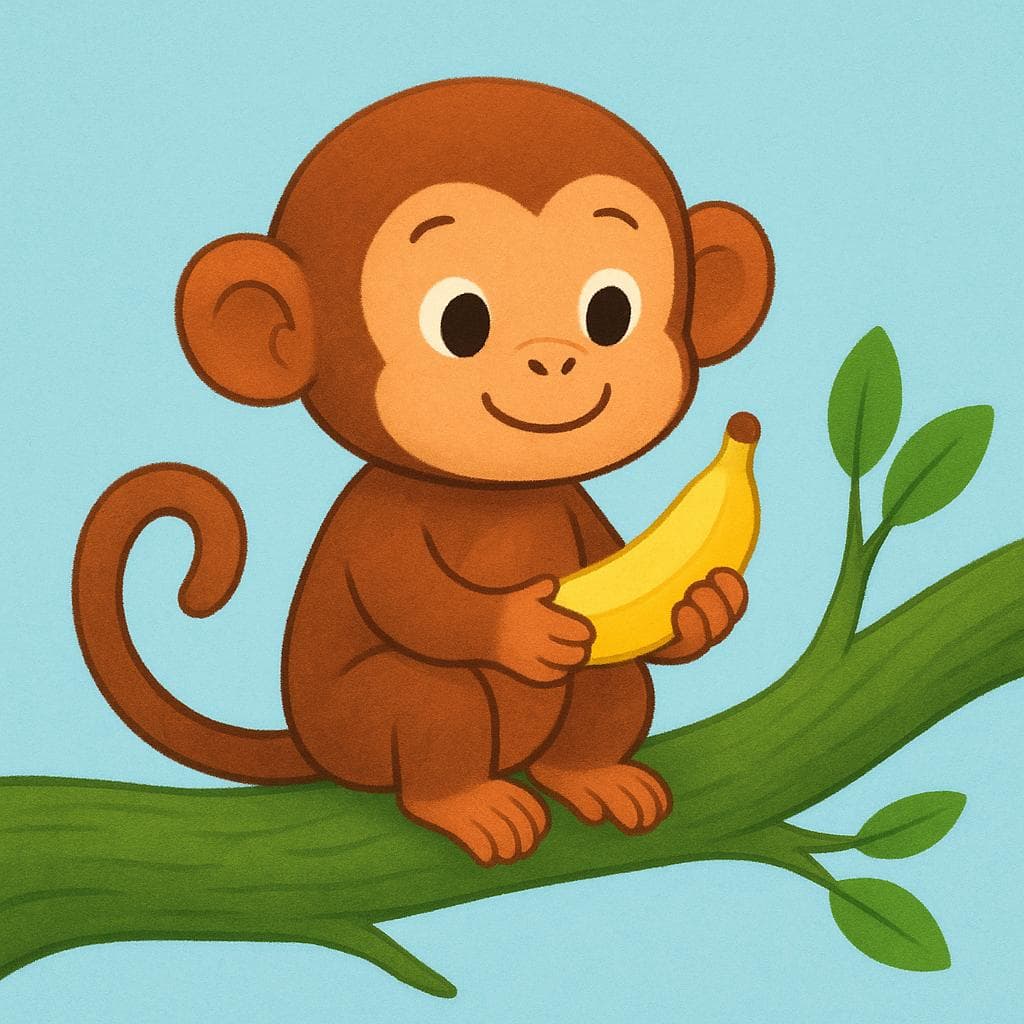
monkey
Also: ape
📝 In Action
El mono come plátanos muy rápido en el zoológico.
A1The monkey eats bananas very quickly at the zoo.
Dicen que el mono es el animal más inteligente del bosque.
A2They say the monkey is the most intelligent animal in the forest.
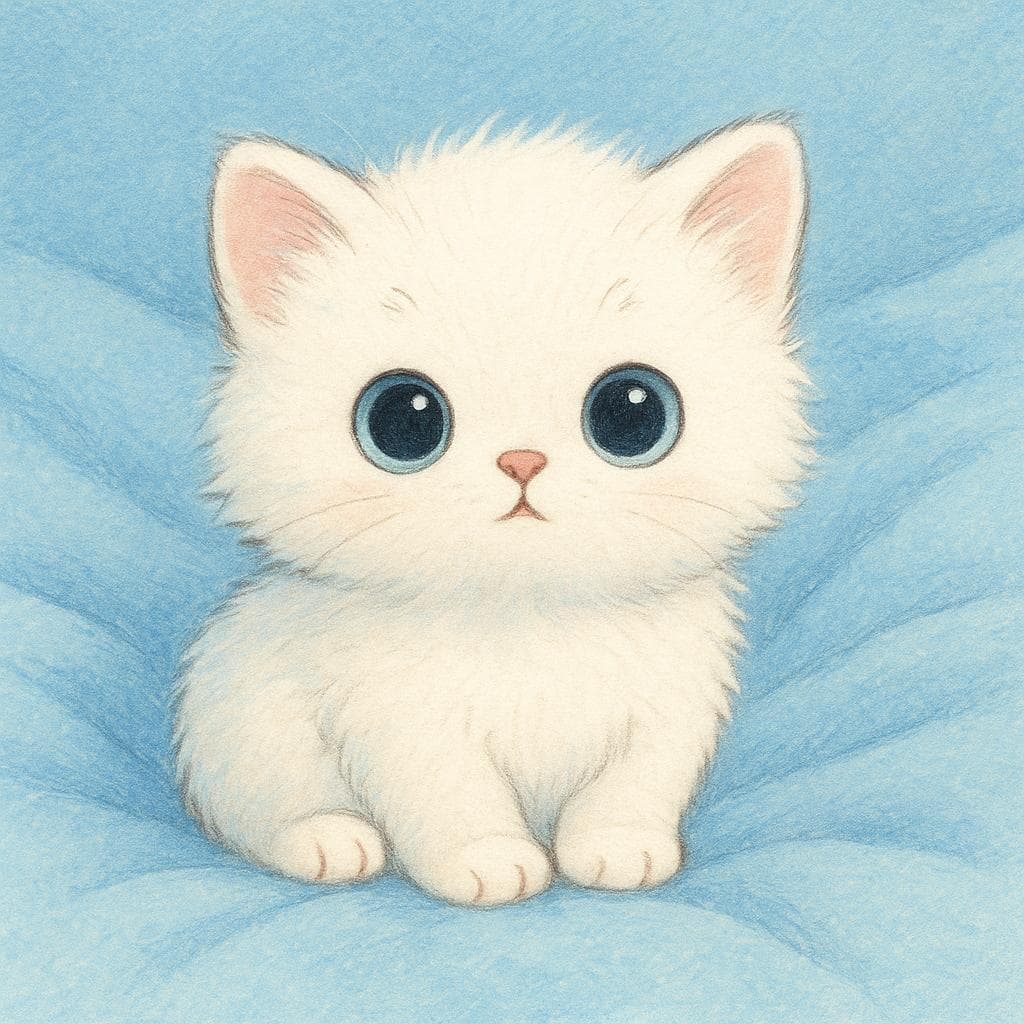
cute
Also: pretty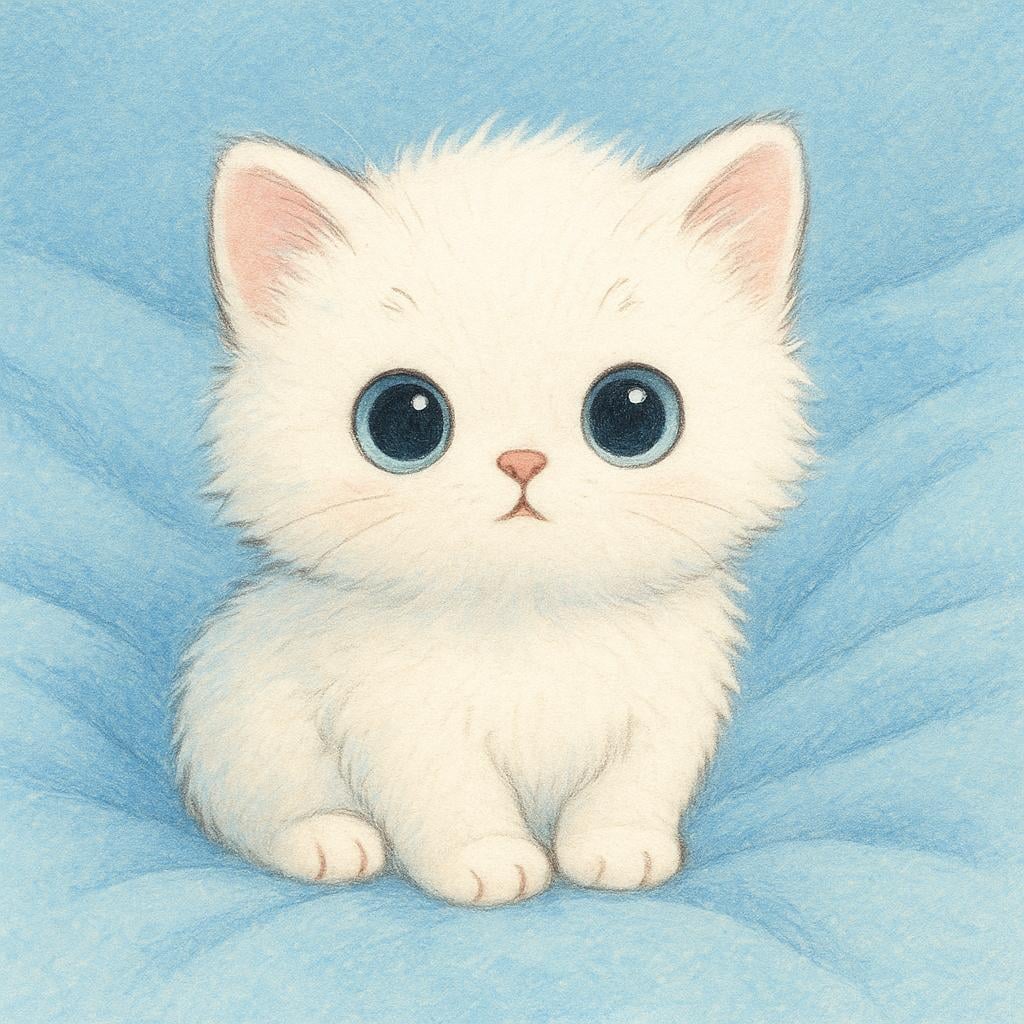
📝 In Action
¡Qué mono es tu bebé con ese gorro!
A2How cute your baby is with that hat!
Hemos comprado una casa muy mona en la costa.
B1We bought a very pretty house on the coast.
Ella es muy mona, pero no sabe que me gusta.
B2She is very attractive, but she doesn't know I like her.
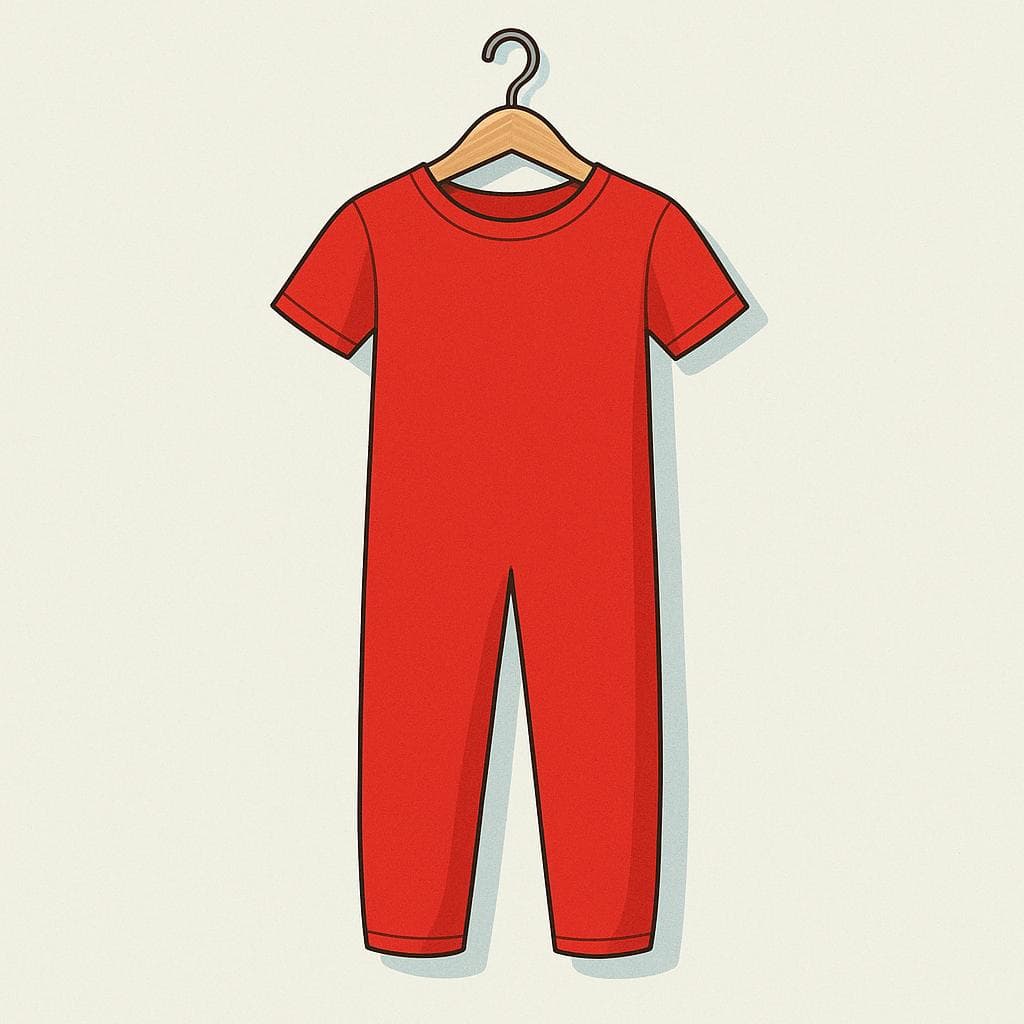
jumpsuit
Also: overalls, boiler suit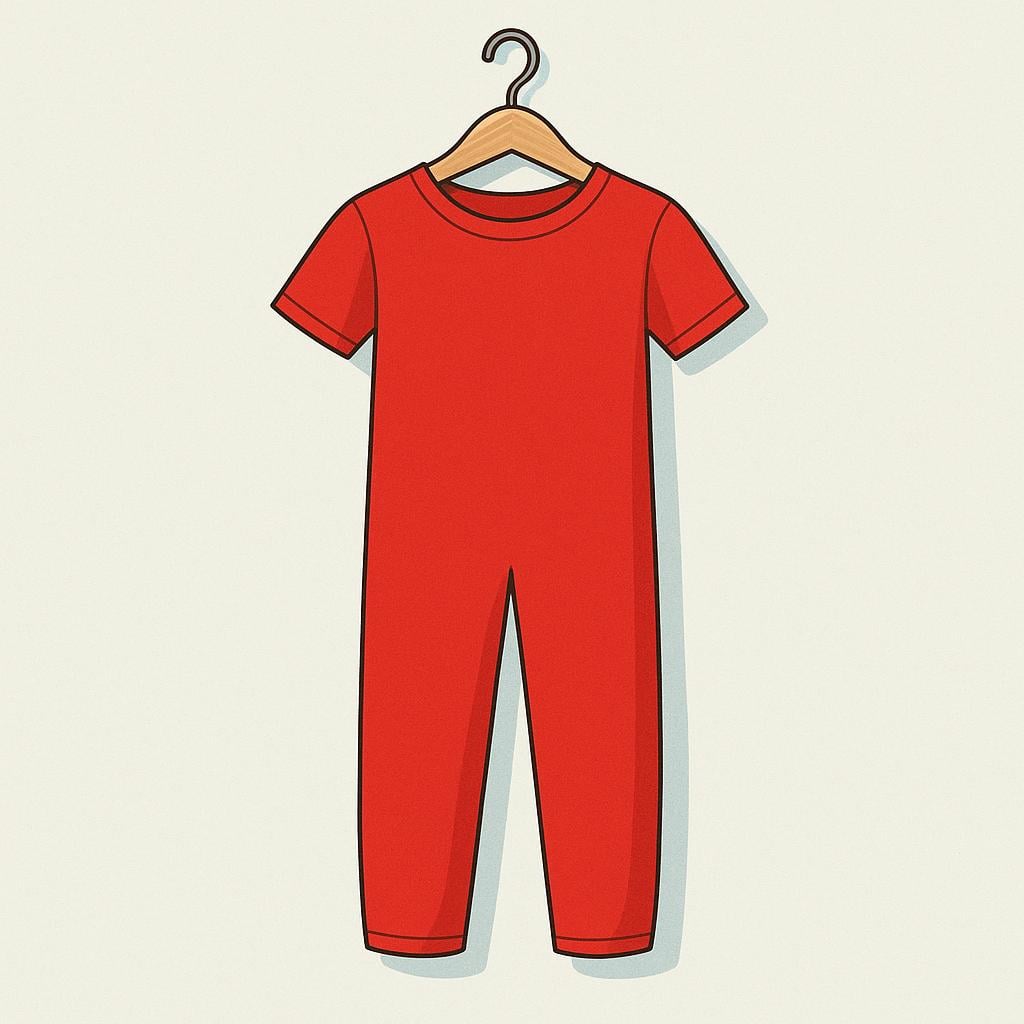
📝 In Action
Ponte el mono de pintor para no mancharte la ropa.
B1Put on the painter's overalls so you don't stain your clothes.
Compró un mono elegante para la fiesta.
B2She bought a stylish jumpsuit for the party.
Vocabulary Collections
Translate to Spanish
✏️ Quick Practice
Quick Quiz: mono
Question 1 of 1
Which sentence uses 'mono' as an adjective meaning 'cute'?
📚 More Resources
👥 Word Family▼
📚 Etymology▼
The word comes from the Arabic word *maimūn*, which means 'lucky' or 'auspicious'. This word was historically used as a name for apes or monkeys, likely because of superstitions surrounding them.
First recorded: 15th century
Cognates (Related words)
💡 Master Spanish
Take your Spanish to the next level. Read 200+ illustrated and narrated Spanish stories tailored to your level with the Inklingo app!
Frequently Asked Questions
Does 'mono' always mean 'cute' in every Spanish-speaking country?
No. While understood everywhere, the adjective 'mono' meaning 'cute' is much more common and frequently used in Spain. In Latin America, people are more likely to use 'lindo' or 'bonito' for the same meaning.
If I am wearing a one-piece outfit, should I use 'mono' or 'mona'?
You should use 'el mono' (masculine), because 'mono' is a masculine noun when referring to the piece of clothing, regardless of whether a man or woman is wearing it.