Inklingo

moral

/moh-RAHL/

moral

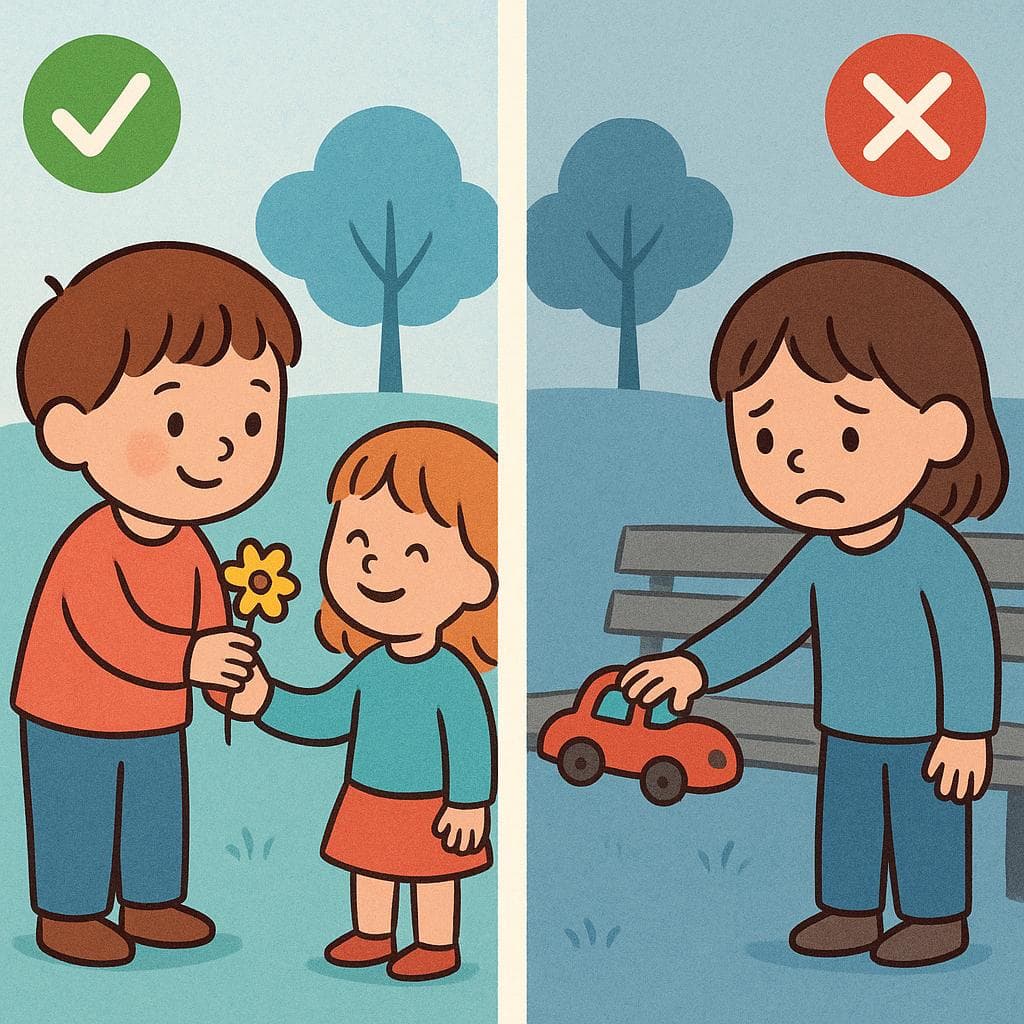
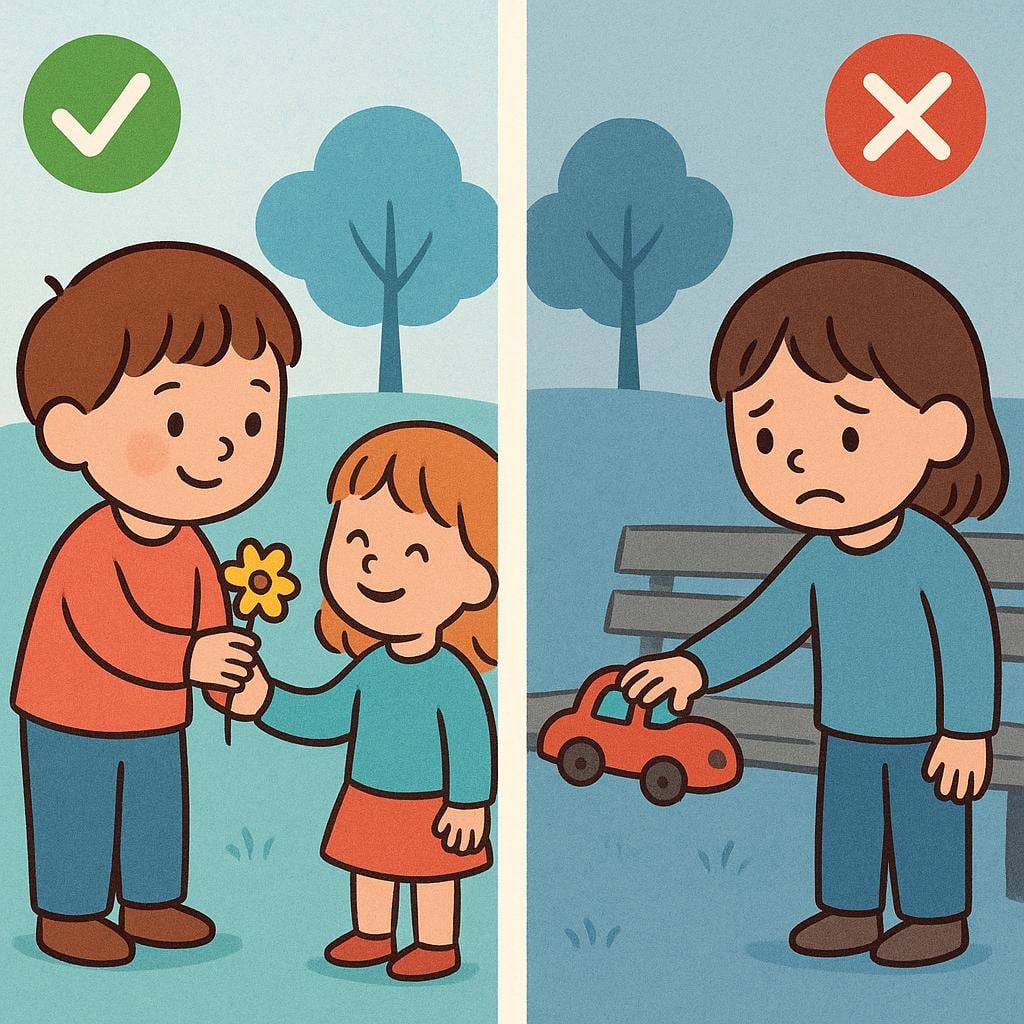
A split image showing a simple, cheerful person on the left gently placing a coin into a donation box (representing 'right'), and on the right, the same person frowning while taking a coin out of the box (representing 'wrong').

Moral can be an adjective describing things relating to right and wrong.

moral(adjective)

m/fA2

moral

?

relating to right and wrong

,

ethical

?

having good principles

Also:

upright

?

person's character

📝 In Action

Tomar esa decisión fue un acto muy moral.

A2

Making that decision was a very moral act.

Necesitamos un líder moral que nos guíe.

B1

We need an ethical leader to guide us.

Su comportamiento siempre ha sido moralmente correcto.

B2

His behavior has always been morally correct.

Word Connections

Synonyms

  • ético (ethical)
  • justo (just, fair)

Antonyms

  • inmoral (immoral)
  • incorrecto (incorrect)

Common Collocations

  • obligación moralmoral obligation
  • valores moralesmoral values

💡 Grammar Points

Adjective Form

As an adjective, 'moral' is one of those words that stays the same whether the thing you are describing is masculine ('el acto moral') or feminine ('la obligación moral').

❌ Common Pitfalls

Confusing Adjective and Noun

Mistake: "La persona tiene mucho moral."

Correction: La persona es muy moral. (The person is very ethical.) The noun 'moral' usually means 'morale' or 'ethics,' not 'ethical person.'

⭐ Usage Tips

Adding '-mente'

To turn 'moral' into an adverb (like 'morally'), simply add '-mente': 'moralmente'.

Three diverse, cartoon-style characters standing close together, smiling and enthusiastically raising their hands high in the air, showing unity and high spirits.

As a noun, moral translates to 'morale,' meaning team spirit or mental state.

moral(noun)

fB1

morale

?

team spirit, mental state

Also:

spirit

?

mental strength

📝 In Action

La victoria subió la moral del equipo.

B1

The victory raised the team's morale.

Es importante mantener la moral alta durante la crisis.

B1

It is important to keep spirits high during the crisis.

El discurso del jefe afectó negativamente la moral de los empleados.

B2

The boss's speech negatively affected employee morale.

Word Connections

Synonyms

  • ánimo (spirit, mood)
  • espíritu (spirit)

Common Collocations

  • subir la moralto raise morale
  • bajar la moralto lower morale

💡 Grammar Points

Gender is Key

When 'moral' means 'morale' or 'spirit,' it is always feminine: 'LA moral'. This helps distinguish it from the adjective 'moral' (meaning ethical).

❌ Common Pitfalls

Using the Wrong Article

Mistake: "El moral está bajo."

Correction: La moral está baja. (Morale is low.) Remember to use 'la' and make the descriptive word agree with the feminine noun.

⭐ Usage Tips

Context Clues

If you see 'la moral' being used with verbs like 'subir' (raise) or 'perder' (lose), it almost certainly means 'morale' or 'spirit'.

A wide, clear, stone path leading straight through a simple, green landscape toward a distant, glowing source of light, symbolizing a guiding ethical system.

Another noun translation of moral is 'morality,' referring to a system of ethics.

moral(noun)

fB2

morality

?

system of ethics

,

moral

?

lesson of a story

Also:

ethics

?

field of study

📝 In Action

La moral de la fábula es que la honestidad es la mejor política.

B2

The moral of the fable is that honesty is the best policy.

Estudiamos la moral y las costumbres de esa época.

C1

We studied the morality and customs of that era.

Word Connections

Synonyms

  • ética (ethics)
  • enseñanza (lesson)

Common Collocations

  • moral de la historiamoral of the story

💡 Grammar Points

Abstract Noun

When referring to the general concept of right and wrong (morality), 'moral' acts as a feminine noun ('la moral').

✏️ Quick Practice

💡 Quick Quiz: moral

Question 1 of 2

Which sentence uses 'moral' to mean 'team spirit'?

📚 More Resources

Word Family

Frequently Asked Questions

Is 'moral' masculine or feminine?

It depends on how you are using it! As an adjective (ethical/right), it describes both masculine and feminine nouns without changing its form. As a noun meaning 'morale' or 'morality,' it is always feminine ('la moral').

How do I say 'morally'?

You simply add the suffix '-mente' to the end: 'moralmente'. For example, 'Actuó moralmente' (He acted morally).