morirán
“morirán” means “they will die” in Spanish (future action, third person plural).
they will die, you will die (plural)
Also: they will perish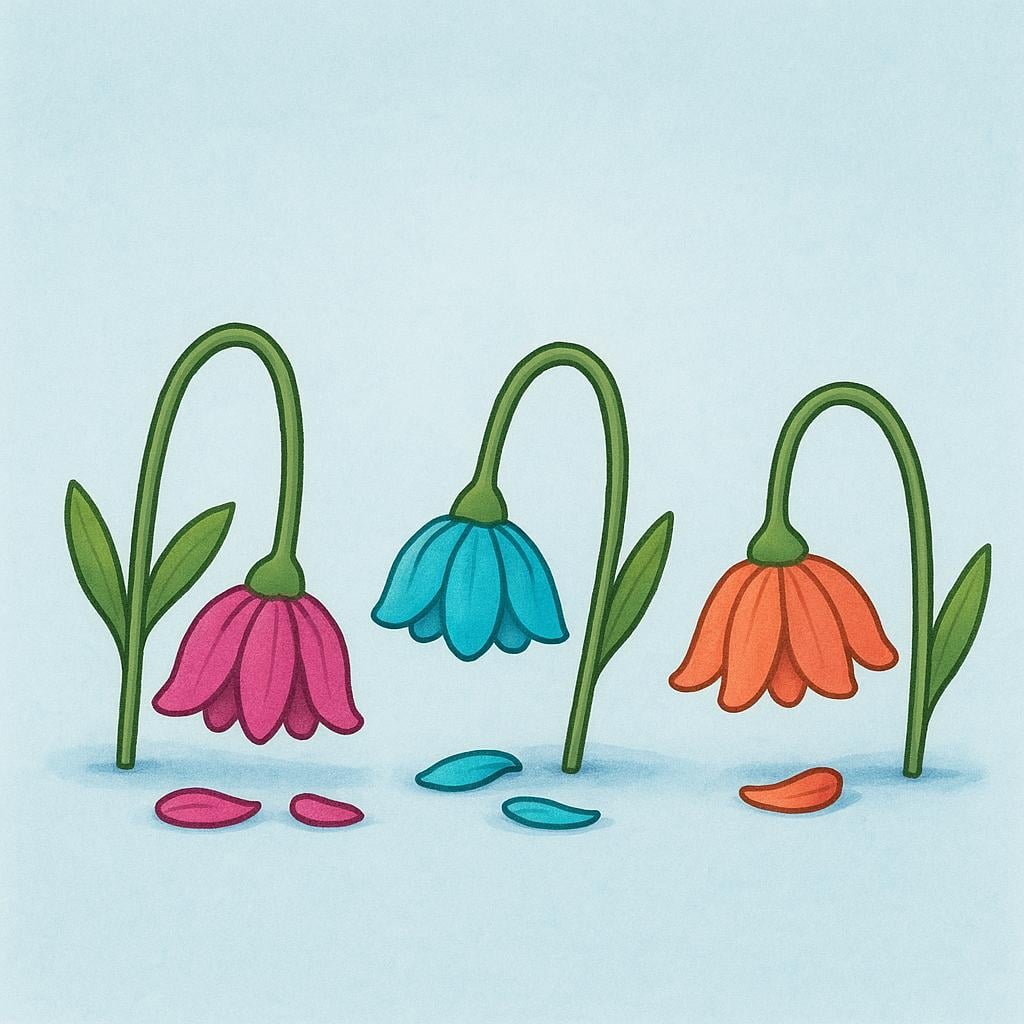
📝 In Action
Si no encontramos agua pronto, los animales del desierto morirán.
B1If we don't find water soon, the desert animals will die.
Ustedes morirán de risa cuando escuchen esa historia.
B2You (all) will die laughing when you hear that story.
Las viejas costumbres morirán lentamente con las nuevas generaciones.
C1The old customs will slowly die out with the new generations.
🔄 Conjugations
indicative
present
imperfect
preterite
subjunctive
present
imperfect
✏️ Quick Practice
Quick Quiz: morirán
Question 1 of 1
Which sentence correctly uses the future tense form 'morirán'?
📚 More Resources
👥 Word Family▼
🎵 Rhymes▼
📚 Etymology▼
Comes from the Latin verb *morī*, meaning 'to die.' The root is ancient and shared across many Romance languages.
First recorded: Old Spanish (around the 13th century)
Cognates (Related words)
💡 Master Spanish
Take your Spanish to the next level. Read 200+ illustrated and narrated Spanish stories tailored to your level with the Inklingo app!
Frequently Asked Questions
Is 'morirán' the only way to express 'they will die'?
No. You can also use the immediate future structure: 'van a morir' (they are going to die). While 'morirán' is more direct and slightly more formal, 'van a morir' is very common in everyday conversation.
Why is the past participle 'muerto' irregular?
The past participle of *morir* is 'muerto' instead of the expected 'morido.' This is because it comes directly from an older, shortened Latin form (*mortus*). You just have to memorize this special form!