mostró
“mostró” means “showed” in Spanish. It has 2 different meanings depending on context:
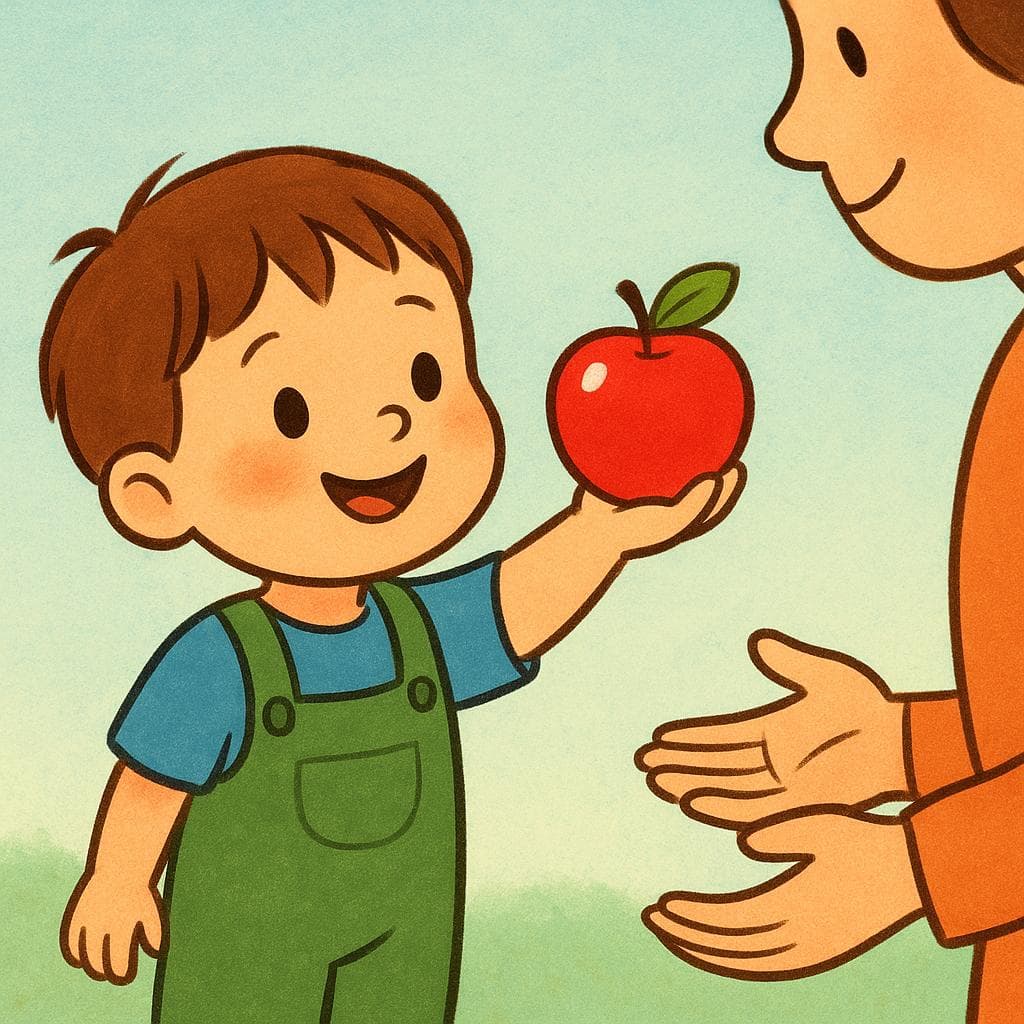

showed, displayed
Also: pointed out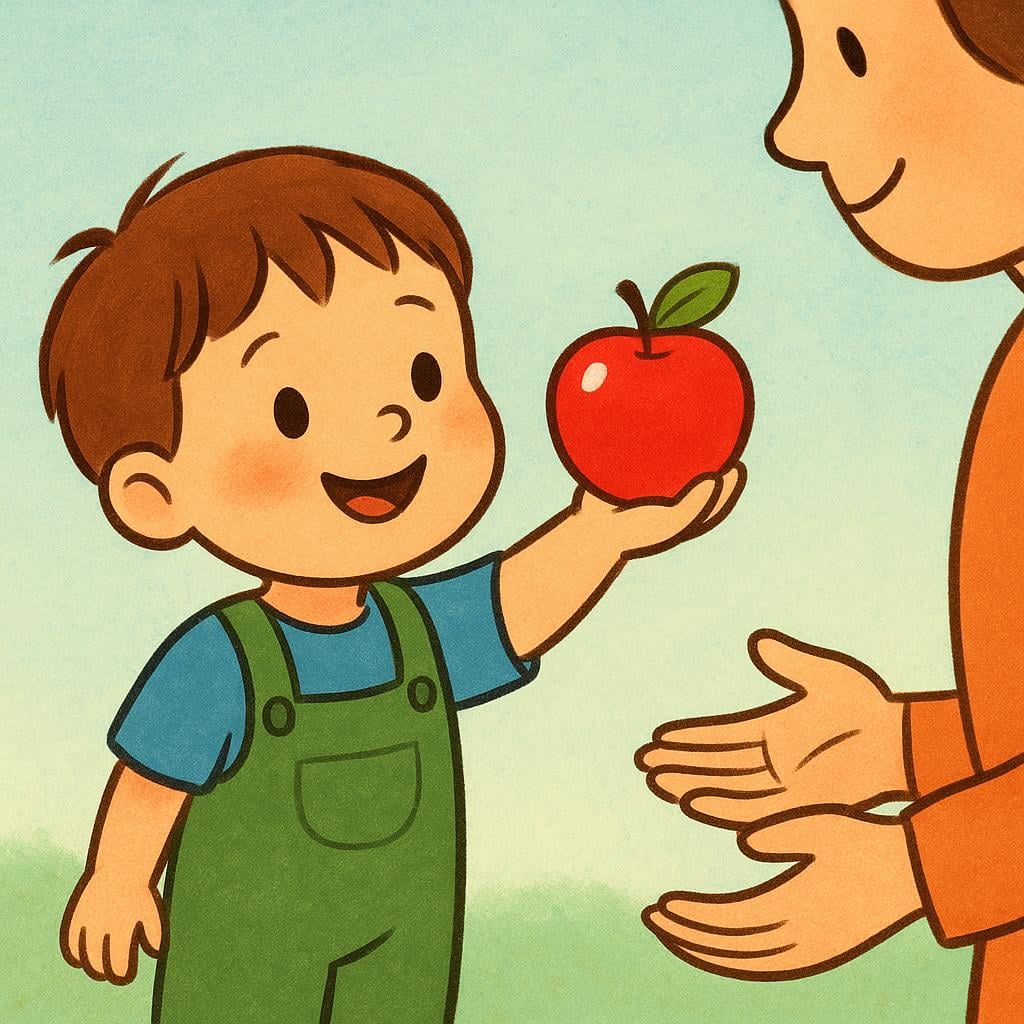
📝 In Action
El camarero nos **mostró** la mesa junto a la ventana.
A2The waiter **showed** us the table next to the window.
Mi hermana **mostró** sus fotos de viaje a toda la familia.
A2My sister **showed** her travel photos to the whole family.
Usted **mostró** gran habilidad para resolver el problema.
B1You (formal) **showed** great ability to solve the problem.
demonstrated, revealed
Also: evidenced
📝 In Action
El informe **mostró** que las ventas habían caído un 10%.
B1The report **demonstrated** that sales had fallen 10%.
El acusado nunca **mostró** arrepentimiento por sus acciones.
B2The accused never **showed** (or **revealed**) regret for his actions.
🔄 Conjugations
indicative
present
imperfect
preterite
subjunctive
present
imperfect
Translate to Spanish
Words that translate to "mostró" in Spanish:
evidenced→✏️ Quick Practice
Quick Quiz: mostró
Question 1 of 1
Which sentence correctly uses 'mostró' to describe a single, completed action in the past?
📚 More Resources
👥 Word Family▼
📚 Etymology▼
Comes from the Vulgar Latin verb *mōstrāre*, which itself is a frequentative form of *monstrāre*, meaning 'to point out' or 'to show.' It shares roots with the English word 'demonstrate.'
First recorded: Around the 13th century
Cognates (Related words)
💡 Master Spanish
Take your Spanish to the next level. Read 200+ illustrated and narrated Spanish stories tailored to your level with the Inklingo app!
Frequently Asked Questions
If 'mostrar' means 'to show,' how do I say 'He showed himself' or 'She appeared'?
You need to add 'se' before the verb: 'Se mostró.' For example, 'Él se mostró muy feliz' means 'He appeared/showed himself to be very happy.' This often refers to revealing a state or emotion.
What is the difference between 'mostró' and 'enseñó'?
Both mean 'showed.' 'Mostró' is generally used for displaying objects or feelings. 'Enseñó' is often preferred when the action involves teaching or instruction ('She taught/showed me how to cook').