máscaras
“máscaras” means “masks” in Spanish. It has 2 different meanings depending on context:
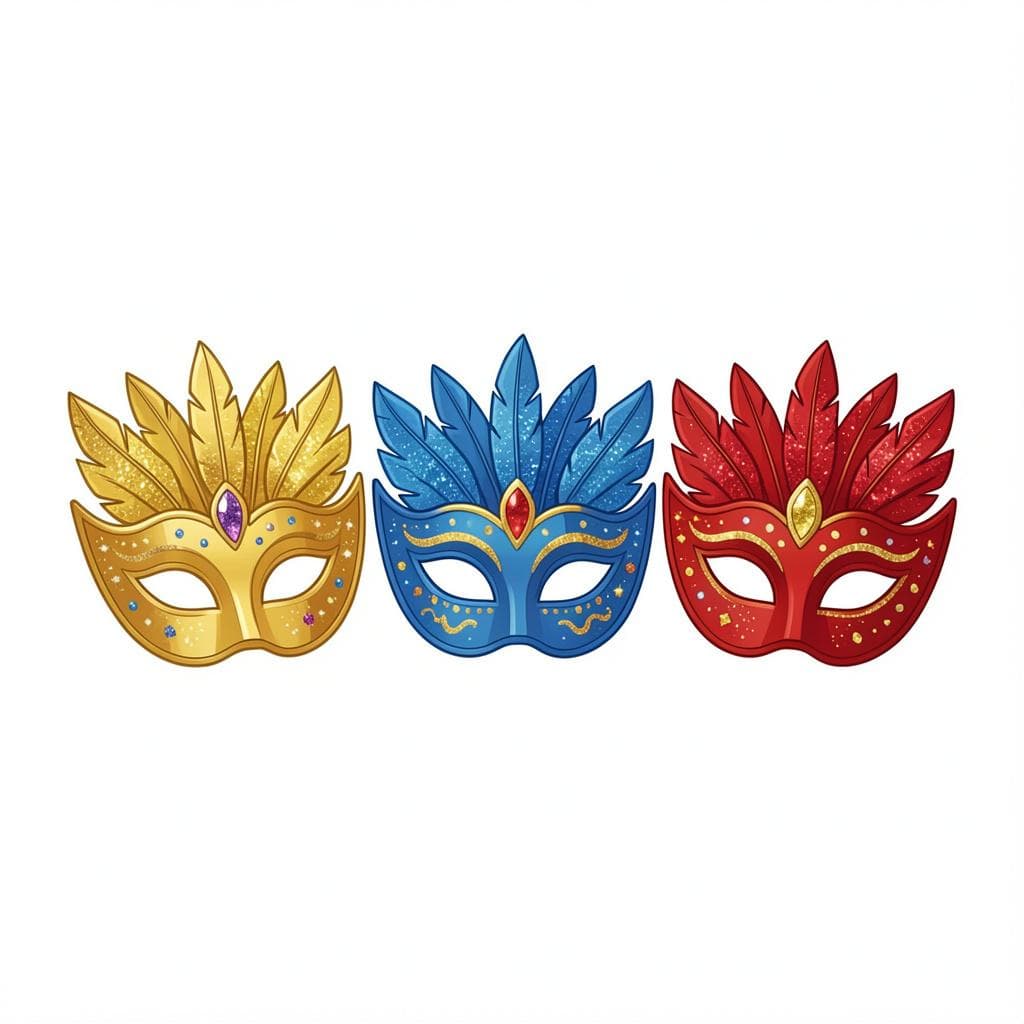

masks
Also: disguises, respirators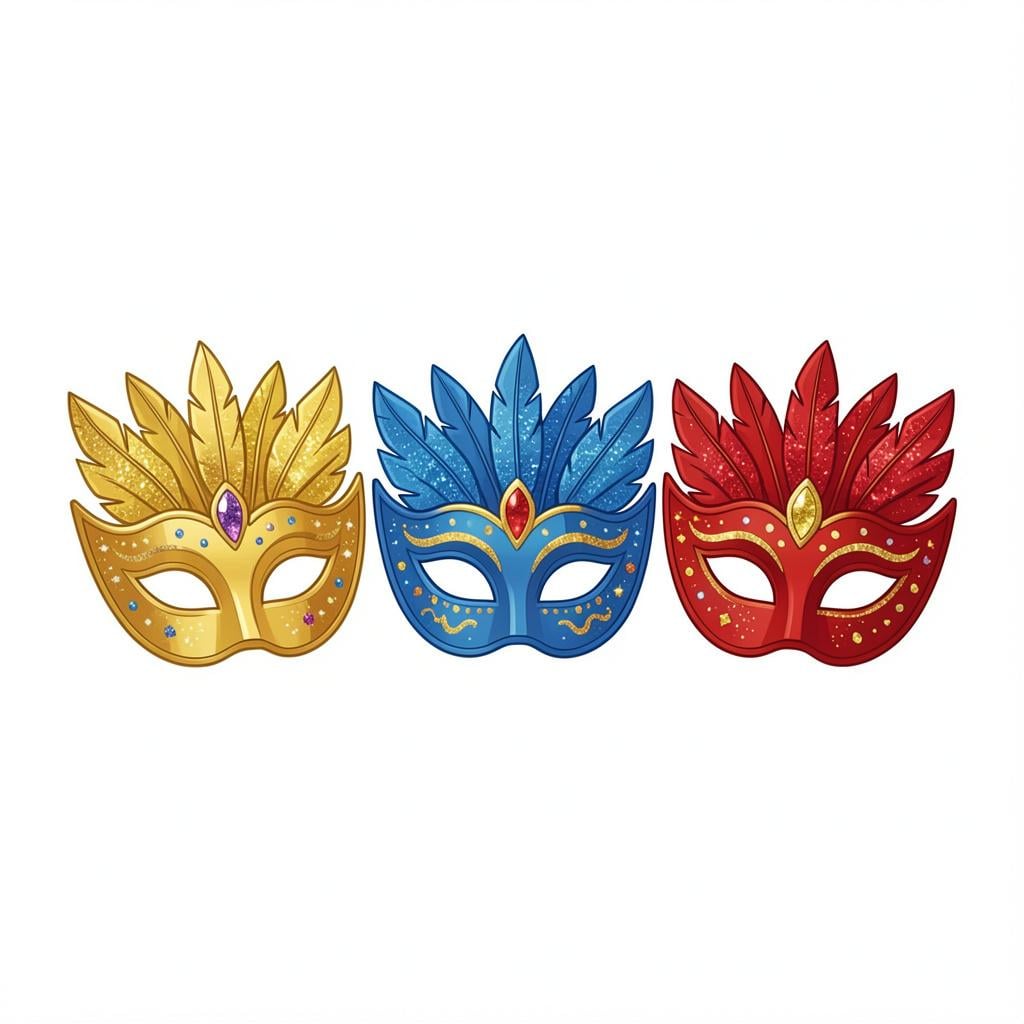
📝 In Action
Los niños compraron máscaras de superhéroes para la fiesta.
A1The children bought superhero masks for the party.
En el carnaval, todos llevan máscaras de colores.
A2At the carnival, everyone wears colorful masks.
facades
Also: fronts
📝 In Action
Al final, todas sus máscaras cayeron y vimos quién era realmente.
B2Eventually, all his masks fell and we saw who he really was.
Translate to Spanish
✏️ Quick Practice
Quick Quiz: máscaras
Question 1 of 2
If someone is hiding their true intentions, you might say they are wearing:
📚 More Resources
👥 Word Family▼
🎵 Rhymes▼
📚 Etymology▼
From the Late Latin word 'masca', which originally meant a witch or a ghost. It later evolved to mean a face covering used to represent such beings.
First recorded: 13th century
Cognates (Related words)
💡 Master Spanish
Take your Spanish to the next level. Read 200+ illustrated and narrated Spanish stories tailored to your level with the Inklingo app!
Frequently Asked Questions
Is 'máscara' the same as 'mascara' in English?
Not exactly. In English, 'mascara' is makeup for eyelashes. In Spanish, 'máscara' usually means a physical face mask (like for Batman). For makeup, we usually say 'rímel' or 'máscara de pestañas'.
When should I use 'mascarilla' instead of 'máscara'?
Use 'mascarilla' for small or medical masks (like those used in a hospital) or beauty treatments. Use 'máscara' for something that covers the whole face, like a costume mask.