navegar
“navegar” means “to sail” in Spanish. It has 2 different meanings depending on context:
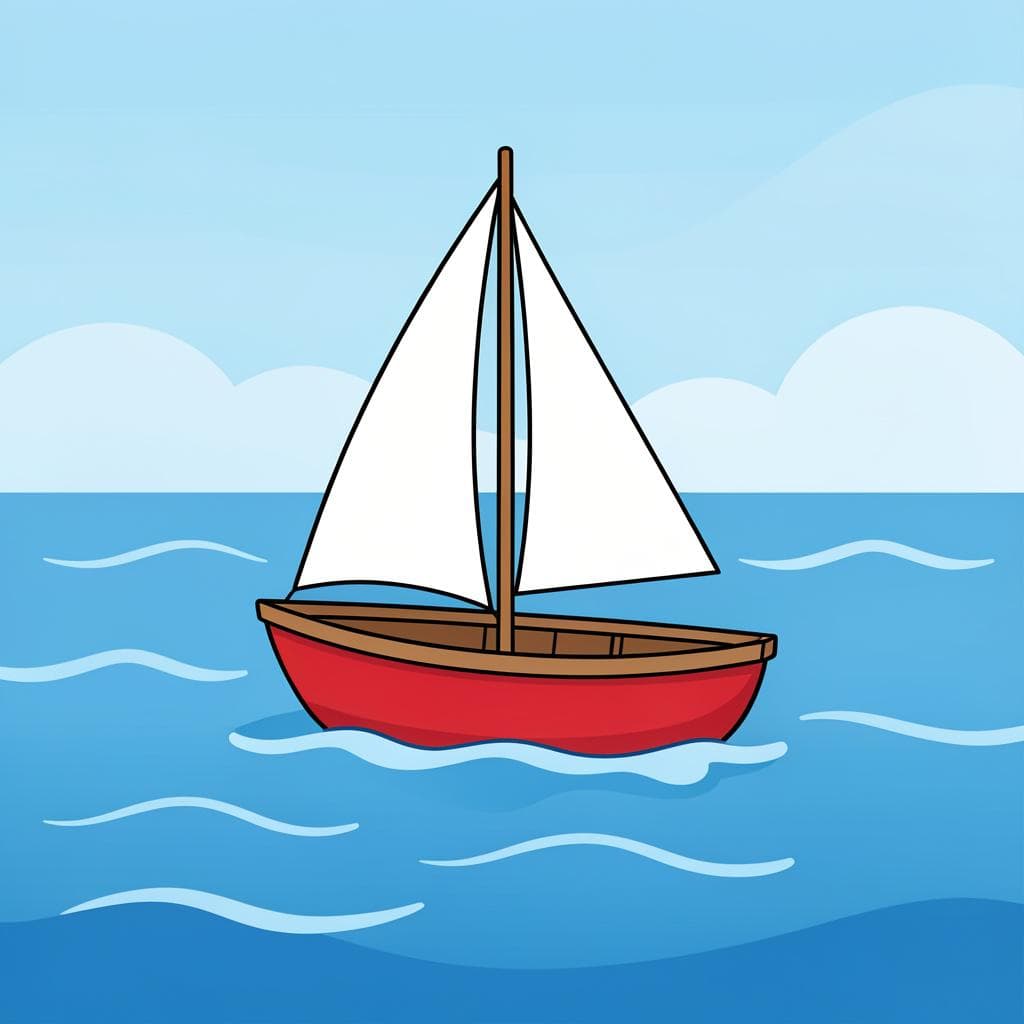

to sail, to navigate
Also: to pilot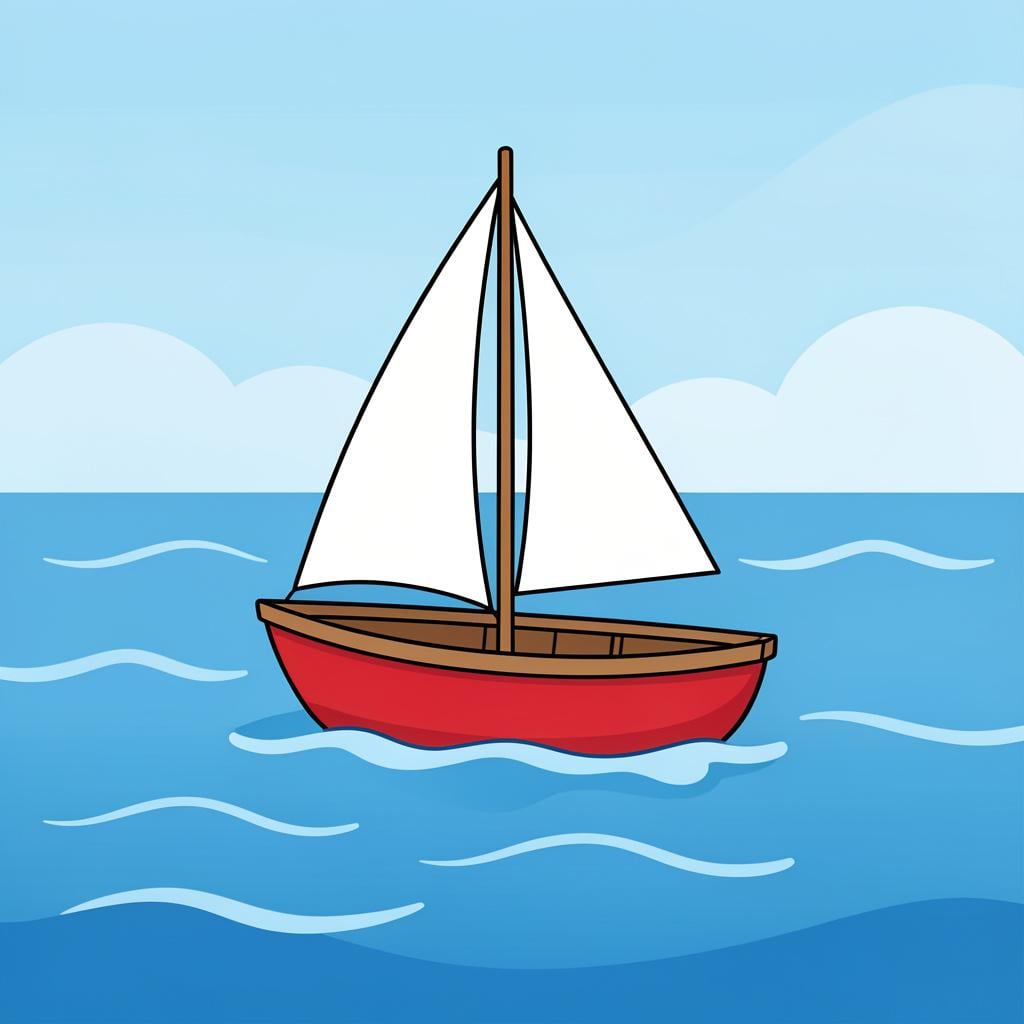
📝 In Action
Me encanta navegar por el mar Caribe.
A1I love to sail through the Caribbean sea.
Los antiguos vikingos sabían navegar usando las estrellas.
B1The ancient Vikings knew how to navigate using the stars.
to surf, to browse

📝 In Action
Paso horas navegando por la red.
A1I spend hours surfing the web.
Es peligroso navegar por sitios web desconocidos.
A2It is dangerous to browse unknown websites.
Subjunctive
Imperfect Subjunctive
Present Subjunctive
Indicative
Preterite
Imperfect
Present
Translate to Spanish
🗣️ Practice in a Tongue Twister
✏️ Quick Practice
Quick Quiz: navegar
Question 1 of 2
How would you say 'I surfed the internet' in the past?
📚 More Resources
👥 Word Family▼
📚 Etymology▼
From the Latin word 'navigare', which combines 'navis' (ship) and 'agere' (to drive or move).
First recorded: 13th century
Cognates (Related words)
💡 Master Spanish
Take your Spanish to the next level. Read 200+ illustrated and narrated Spanish stories tailored to your level with the Inklingo app!
Frequently Asked Questions
Is 'navegar' irregular?
Technically no, it follows standard -ar patterns, but it has a small spelling change (g to gu) in some forms to preserve the pronunciation.
Can I use 'navegar' for flying a plane?
Yes, it can be used for the act of navigating a course in the air, though 'pilotar' or 'volar' are more common for the physical act of flying.