necesitabas
“necesitabas” means “you needed” in Spanish ((past continuous or descriptive)).
you needed, you used to needAlso: you were needing
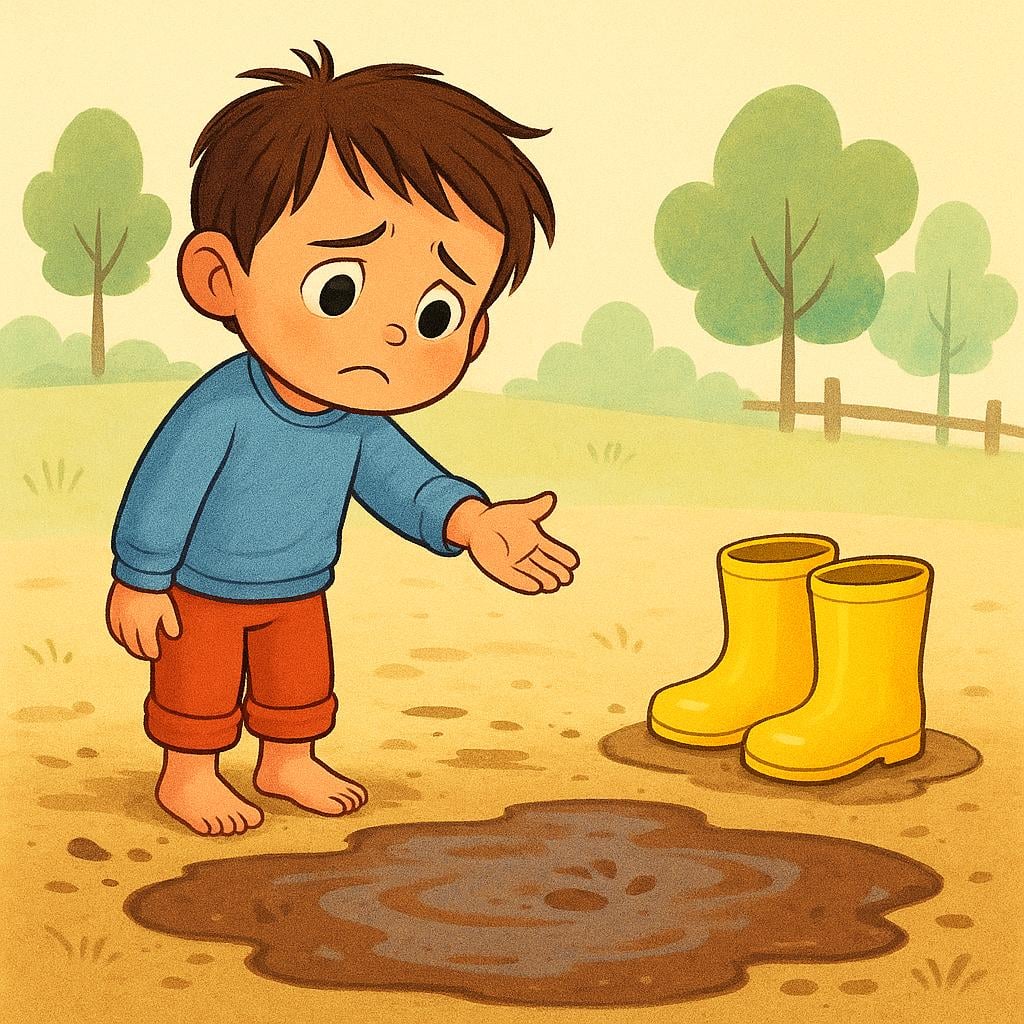
📝 In Action
¿Qué necesitabas cuando eras niño?
A2What did you need when you were a child?
Necesitabas un mapa para encontrar la casa, ¿verdad?
B1You needed a map to find the house, right?
Ella pensó que tú necesitabas más tiempo para decidir.
B2She thought that you needed more time to decide.
Word Connections
Indicative
Present
Imperfect
Preterite
Subjunctive
Present Subjunctive
Imperfect Subjunctive
Translate to Spanish
Words that translate to "necesitabas" in Spanish:
✏️ Quick Practice
Quick Quiz: necesitabas
Question 1 of 2
Which English phrase best captures the meaning of 'necesitabas' in the sentence: 'Siempre necesitabas mi ayuda.'
📚 More Resources
👥 Word Family
🎵 Rhymes
📚 Etymology
The verb 'necesitar' comes from the Latin word 'necessitas,' meaning 'unavoidable necessity' or 'compulsion.' It has always been related to things that are required or essential.
First recorded: Medieval Spanish
Cognates (Related words)
💡 Master Spanish
Take your Spanish to the next level. Read 200+ illustrated and narrated Spanish stories tailored to your level with the Inklingo app!
Frequently Asked Questions
Is 'necesitabas' used formally or informally?
This form uses the 'tú' conjugation, which is the informal way to address a single person (like a friend or family member). For formal situations, you would use 'necesitaba' (the 'usted' form).
What is the base verb for 'necesitabas'?
The base verb is 'necesitar,' which is a regular '-ar' verb meaning 'to need.'