negó
“negó” means “denied” in Spanish. It has 2 different meanings depending on context:
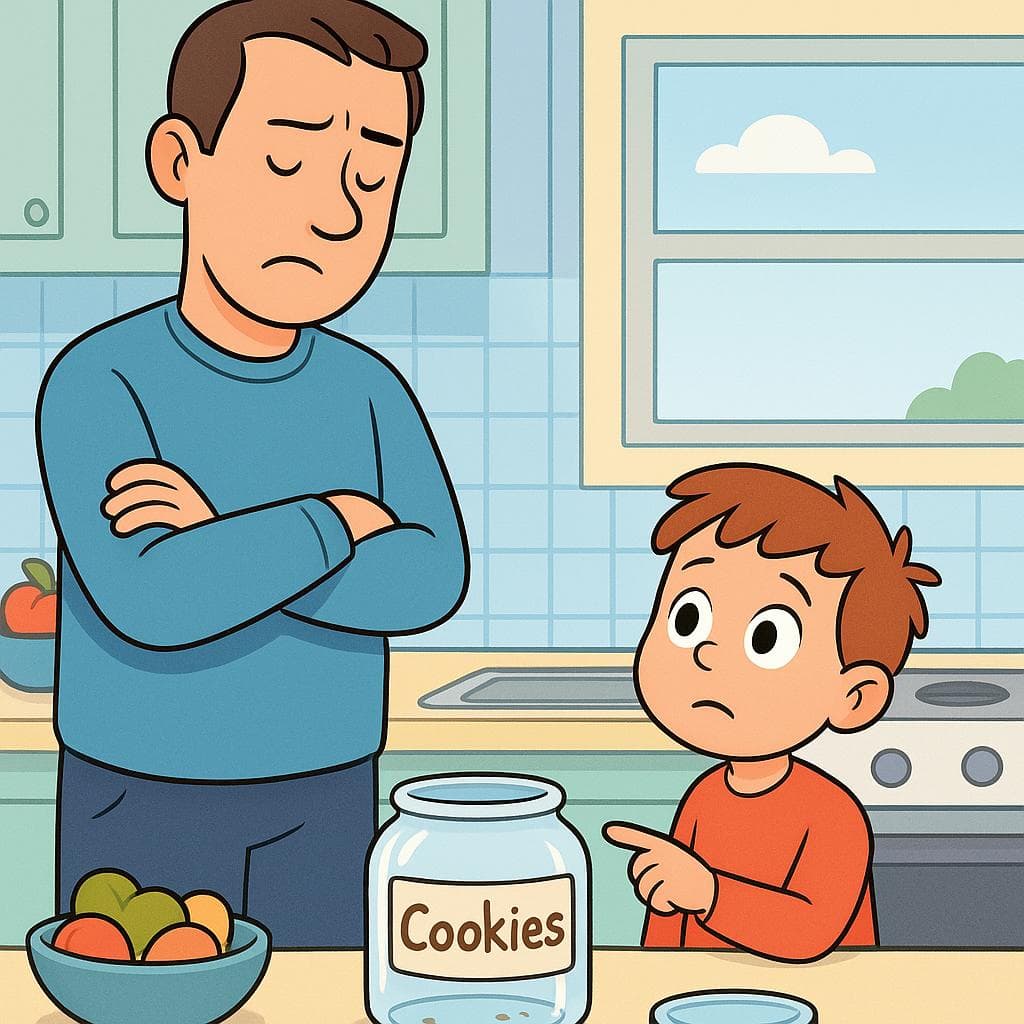

denied
Also: refuted
📝 In Action
Ella negó rotundamente las acusaciones en su contra.
B1She flatly denied the accusations against her.
El niño negó que se comió el chocolate, pero tenía la cara sucia.
A2The boy denied that he ate the chocolate, but his face was dirty.
Usted negó cualquier conocimiento del plan.
B2You (formal) denied any knowledge of the plan.
refused
Also: withheld
📝 In Action
El banco le negó el préstamo para la casa.
B1The bank refused him the loan for the house.
Ella negó la entrada a la fiesta a los invitados no deseados.
B2She refused entry to the unwanted guests at the party.
El jefe nos negó el aumento salarial.
B1The boss refused us the salary increase.
🔄 Conjugations
indicative
present
imperfect
preterite
subjunctive
present
imperfect
✏️ Quick Practice
Quick Quiz: negó
Question 1 of 2
Which sentence correctly uses 'negó' to mean 'refused access'?
📚 More Resources
👥 Word Family▼
📚 Etymology▼
Comes from the Latin verb *negare*, meaning 'to say no' or 'to deny.' It has remained very consistent in meaning throughout its history.
First recorded: 13th century (in Spanish)
Cognates (Related words)
💡 Master Spanish
Take your Spanish to the next level. Read 200+ illustrated and narrated Spanish stories tailored to your level with the Inklingo app!
Frequently Asked Questions
Is 'negó' a regular verb?
No. While the simple past form 'negó' looks regular, the base verb 'negar' is irregular because the 'e' changes to 'ie' in the present tense (niego, niegas, etc.) and the 'yo' form of the simple past has a spelling change ('negué') to keep the hard 'g' sound.
What is the difference between 'negó' and 'dijo que no'?
'Negó' is stronger and often implies denying a specific accusation or refusing a formal request ('He denied the crime'). 'Dijo que no' is simply 'He said no' and is used for simpler, less formal refusals.