niños
“niños” means “children” in Spanish (Used for a mixed group of boys and girls).
children
Also: boys, kids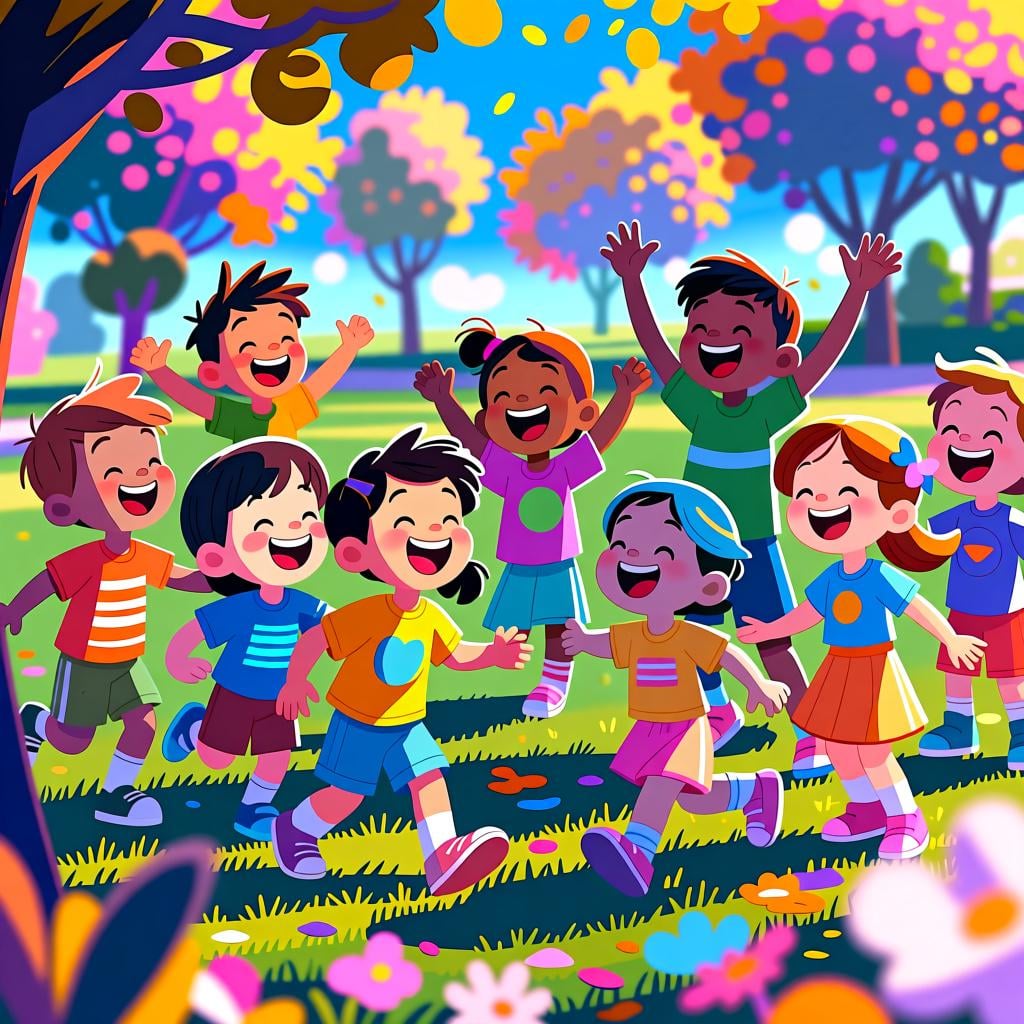
📝 In Action
Los niños están jugando en el parque.
A1The children are playing in the park.
En mi clase hay diez niñas y ocho niños.
A1In my class, there are ten girls and eight boys.
Este es un menú especial para niños.
A2This is a special menu for children.
✏️ Quick Practice
Quick Quiz: niños
Question 1 of 1
You walk into a classroom with 15 girls and 1 boy. How does the teacher greet them?
📚 More Resources
👥 Word Family▼
🎵 Rhymes▼
📚 Etymology▼
Comes from an old Spanish word 'ninno', whose exact origin is debated but is related to the idea of 'little one'. It is not directly from Latin like many other Spanish words.
First recorded: Around the 13th century
Cognates (Related words)
💡 Master Spanish
Take your Spanish to the next level. Read 200+ illustrated and narrated Spanish stories tailored to your level with the Inklingo app!
Frequently Asked Questions
If 'niños' can mean 'boys' or 'children', how do I know which one is meant?
It almost always comes down to context! If someone points to a group of only boys, 'los niños' means 'the boys'. If a teacher is talking to a mixed class, 'niños' means 'children'. If you're ever unsure, the situation usually makes it clear.
Is there a gender-neutral way to say 'children'?
Traditionally, 'niños' is the standard way to refer to a mixed group of children and is considered inclusive in a grammatical sense. In modern Spanish, you might hear people try other options like 'niños y niñas' (boys and girls) to be more explicit, but 'niños' remains the most common and grammatically correct way.