nunca
“nunca” means “never” in Spanish (at no time).
neverAlso: not ever
📝 In Action
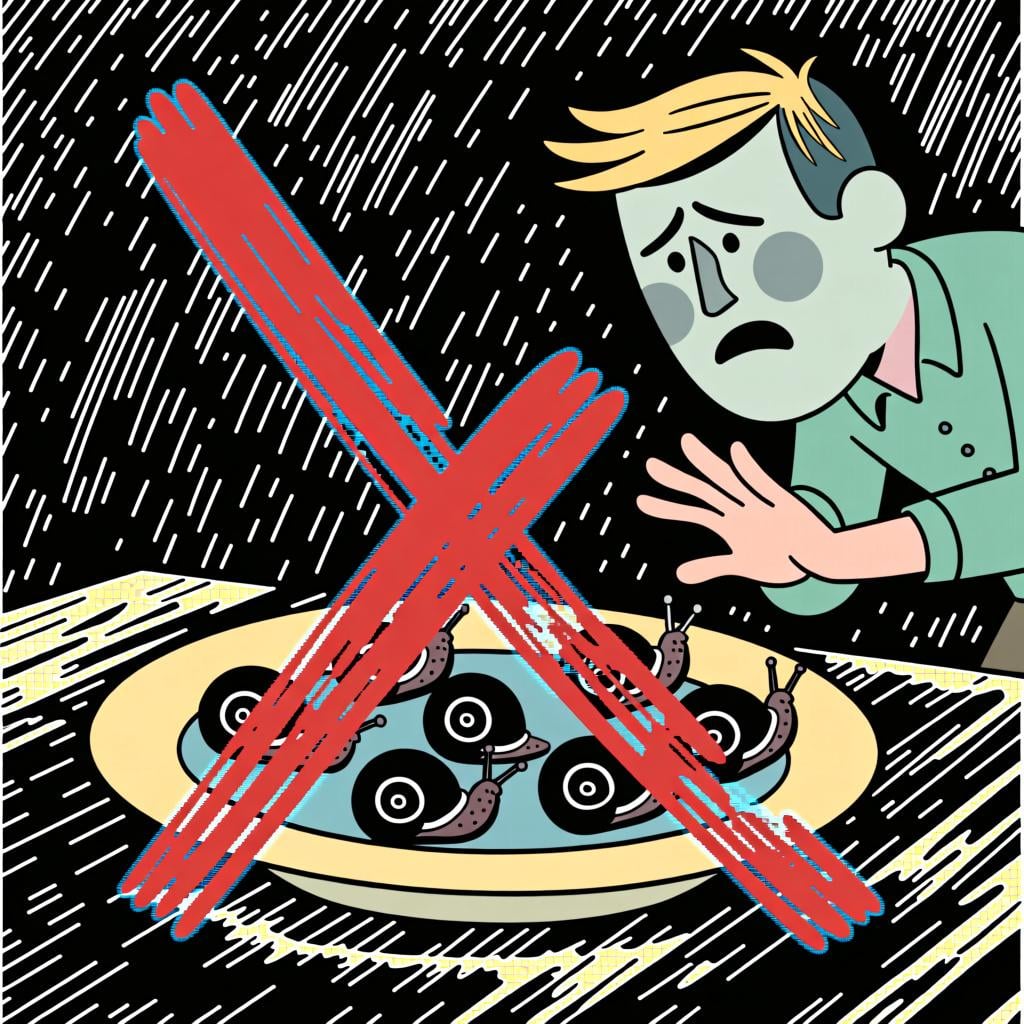
Nunca como mariscos.
A1I never eat seafood.
Ella nunca ha viajado en avión.
A2She has never traveled by plane.
No he visto nunca una película tan buena.
B1I have never seen such a good movie.
Nunca jamás te mentiría.
B2I would never, ever lie to you.

🔀 Commonly Confused With
Translate to Spanish
✏️ Quick Practice
Quick Quiz: nunca
Question 1 of 3
Which of these sentences correctly means 'I never read'?
📚 More Resources
📚 Etymology
Comes from the Latin phrase 'non quam', which literally meant 'not ever'. Over many years of being said quickly, the two words blended together to become the Spanish 'nunca'.
First recorded: Around the 10th century
Cognates (Related words)
💡 Master Spanish
Take your Spanish to the next level. Read 200+ illustrated and narrated Spanish stories tailored to your level with the Inklingo app!
Frequently Asked Questions
What's the difference between 'nunca' and 'jamás'?
They both mean 'never' and you can often use them in the same way. 'Jamás' can sometimes feel a little stronger or more formal. The most common difference is using them together as 'nunca jamás' to mean 'never, ever!'
Why does Spanish use 'no' and 'nunca' together? Isn't that a double negative?
Yes, it is! But unlike in English where double negatives are often considered incorrect, in Spanish they are perfectly normal and required for grammar. It doesn't cancel out the negative; it actually reinforces it. Think of it as adding emphasis: 'I do NOT, EVER, go.'
Can 'nunca' be used to answer a question by itself?
Absolutely. If someone asks '¿Vas al gimnasio?' (Do you go to the gym?), you can simply reply 'Nunca' (Never).