observa
“observa” means “watches” in Spanish. It has 2 different meanings depending on context:

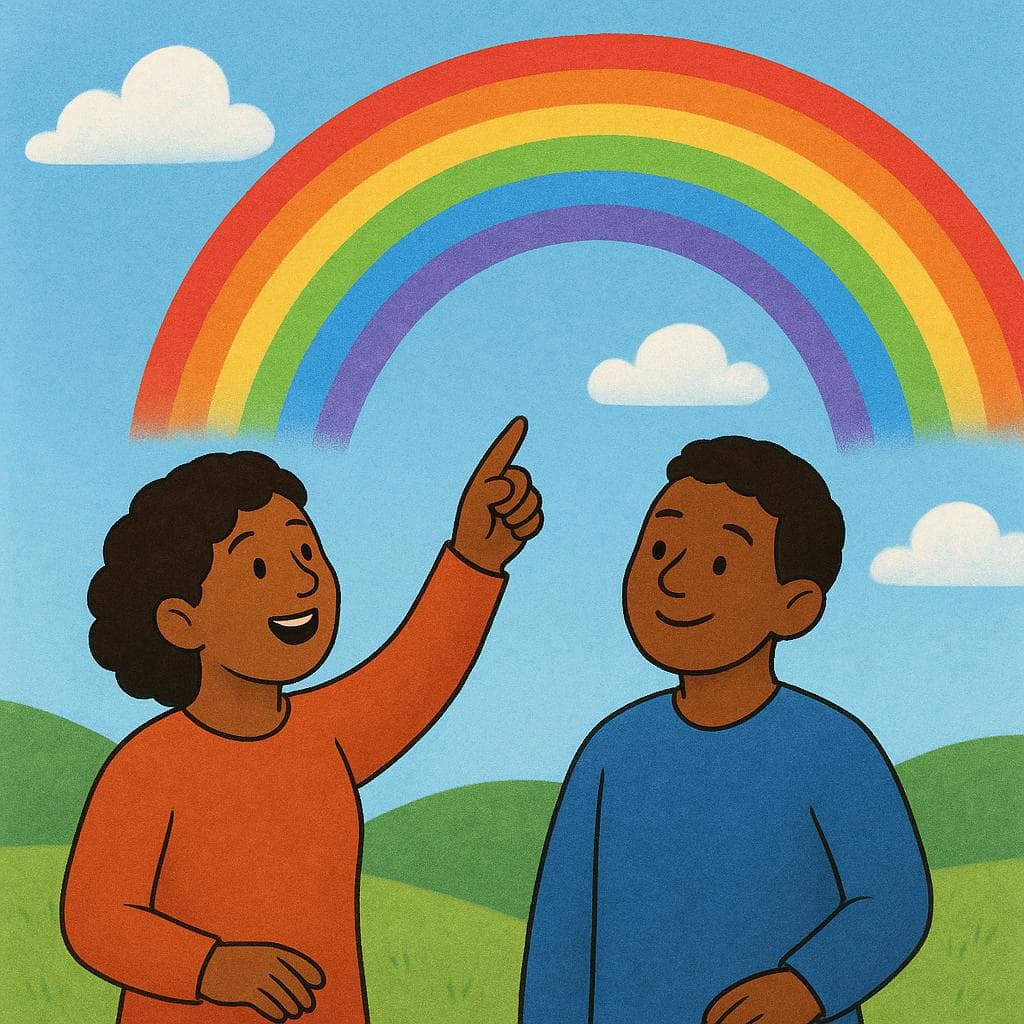
watches, observesAlso: notice, pays attention to

📝 In Action
Ella observa el cielo buscando estrellas fugaces.
A2She watches the sky looking for shooting stars.
¡Observa cómo lo hace el instructor antes de intentarlo tú mismo!
B1Observe how the instructor does it before trying it yourself!
Usted observa los detalles con mucha precisión, señor Torres.
B2You (formal) observe the details with great precision, Mr. Torres.
Word Connections
remarksAlso: points out

📝 In Action
El comité observa que los costos han excedido el presupuesto original.
B2The committee remarks that the costs have exceeded the original budget.
Observa con calma las inconsistencias en el documento.
C1Calmly point out (command) the inconsistencies in the document.
Word Connections
Indicative
Present
Imperfect
Preterite
Subjunctive
Present Subjunctive
Imperfect Subjunctive
Translate to Spanish
Words that translate to "observa" in Spanish:
✏️ Quick Practice
Quick Quiz: observa
Question 1 of 2
Which sentence uses 'observa' as a command?
📚 More Resources
👥 Word Family
📚 Etymology
Comes from the Latin verb *observare*, meaning 'to watch, note, or attend to.' It has maintained this core meaning of careful attention throughout history.
First recorded: 13th century
Cognates (Related words)
💡 Master Spanish
Take your Spanish to the next level. Read 200+ illustrated and narrated Spanish stories tailored to your level with the Inklingo app!
Frequently Asked Questions
What is the difference between 'observa' (from observar) and 'mira' (from mirar)?
Both mean 'to look,' but 'observa' implies a deeper, more careful, and detailed watching, often for scientific or analytical purposes. 'Mira' is a general term for looking or seeing.
Who is the subject when a Spanish speaker says 'observa'?
The subject is either 'él' (he), 'ella' (she), or 'usted' (formal you). It is also the command form used when speaking informally to 'tú' (you).