océano
“océano” means “ocean” in Spanish. It has 2 different meanings depending on context:
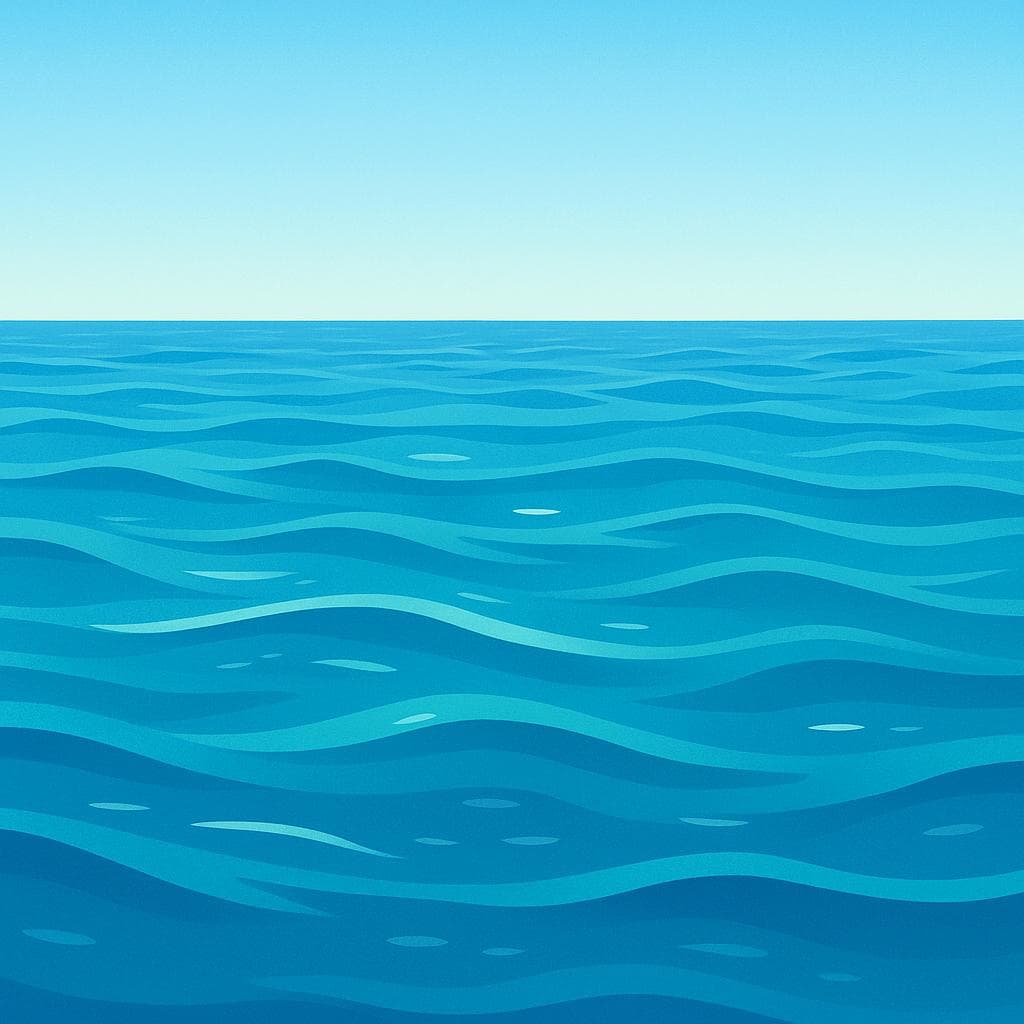
ocean
Also: sea
📝 In Action
El Océano Pacífico es el más grande del mundo.
A1The Pacific Ocean is the largest in the world.
Me gustaría vivir cerca del océano para escuchar las olas.
A2I would like to live near the ocean to hear the waves.
La contaminación del océano es un problema ambiental serio.
B1Ocean pollution is a serious environmental problem.
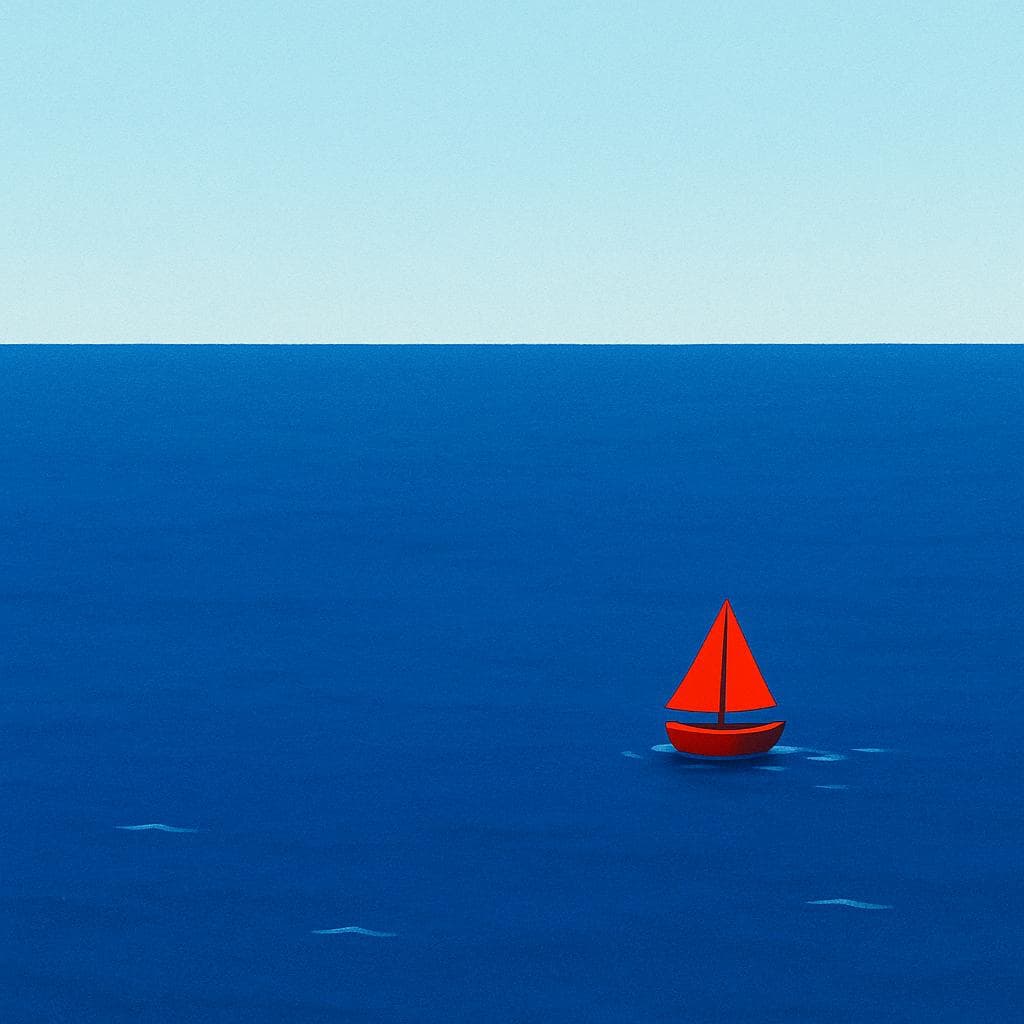
vastness, ocean (of)
Also: abundance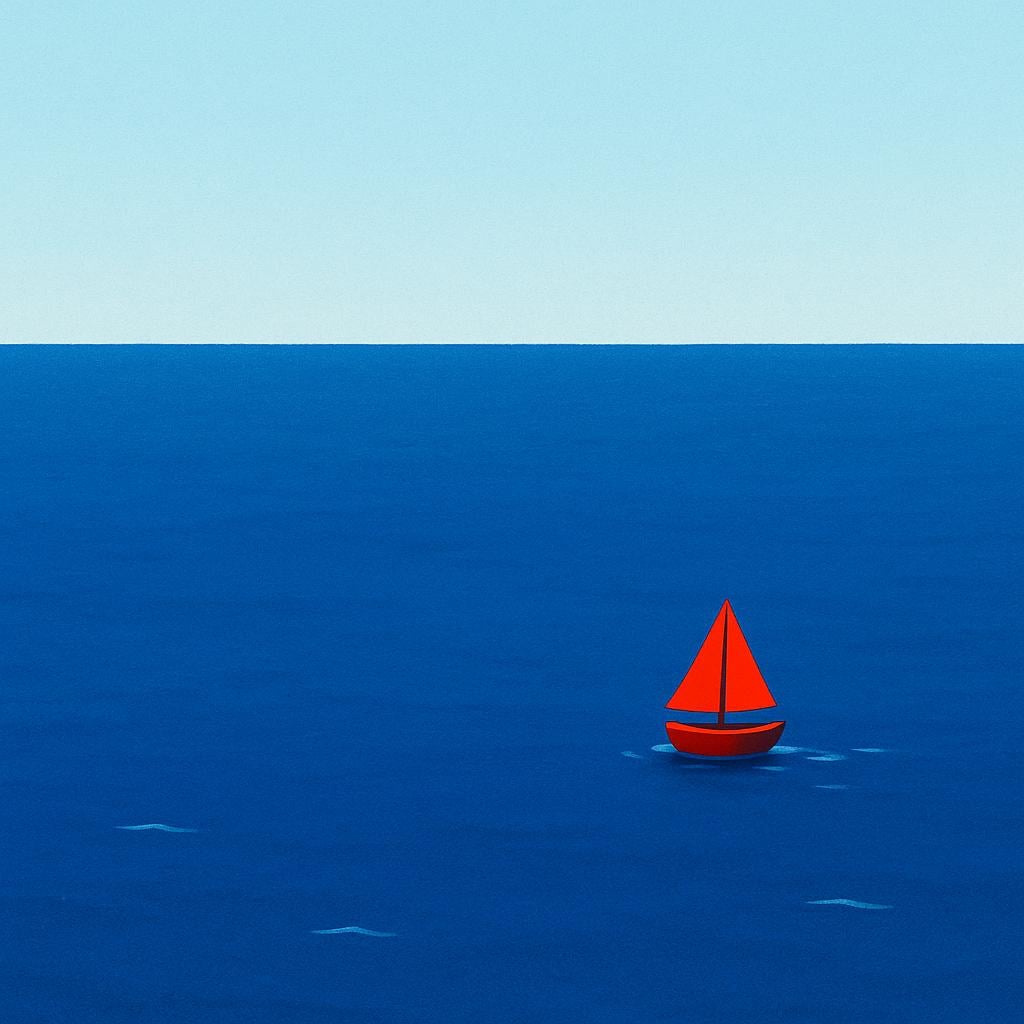
📝 In Action
Después de la universidad, tenía un océano de posibilidades frente a ella.
C1After university, she had an ocean of possibilities in front of her.
El poeta describió la tristeza del personaje como un océano de lágrimas.
C2The poet described the character's sadness as an ocean of tears.
Vocabulary Collections
🔀 Commonly Confused With
Translate to Spanish
✏️ Quick Practice
Quick Quiz: océano
Question 1 of 2
Which sentence uses 'océano' in its figurative (non-literal) sense?
📚 More Resources
👥 Word Family▼
📚 Etymology▼
The word comes from the Latin word 'oceanus,' which itself originated from the Greek word 'Okeanós.' In Greek mythology, Oceanus was the name of the great river that encircled the world.
First recorded: Ancient times (via Latin/Greek)
Cognates (Related words)
💡 Master Spanish
Take your Spanish to the next level. Read 200+ illustrated and narrated Spanish stories tailored to your level with the Inklingo app!
Frequently Asked Questions
Does 'océano' mean the same thing as 'mar' (sea)?
They are often used interchangeably, but technically, 'océano' refers to the five major, vast bodies of water (like the Pacific), while 'mar' usually refers to smaller sections of the ocean, especially those near land (like the Mediterranean Sea).
How do I pronounce the 'c' in 'océano'?
In most of Spain, the 'c' before 'e' sounds like the 'th' in 'think' (a lisp sound). In Latin America, the Canary Islands, and parts of Southern Spain, it sounds like an 's'.