orgullosos
“orgullosos” means “proud” in Spanish. It has 2 different meanings depending on context:

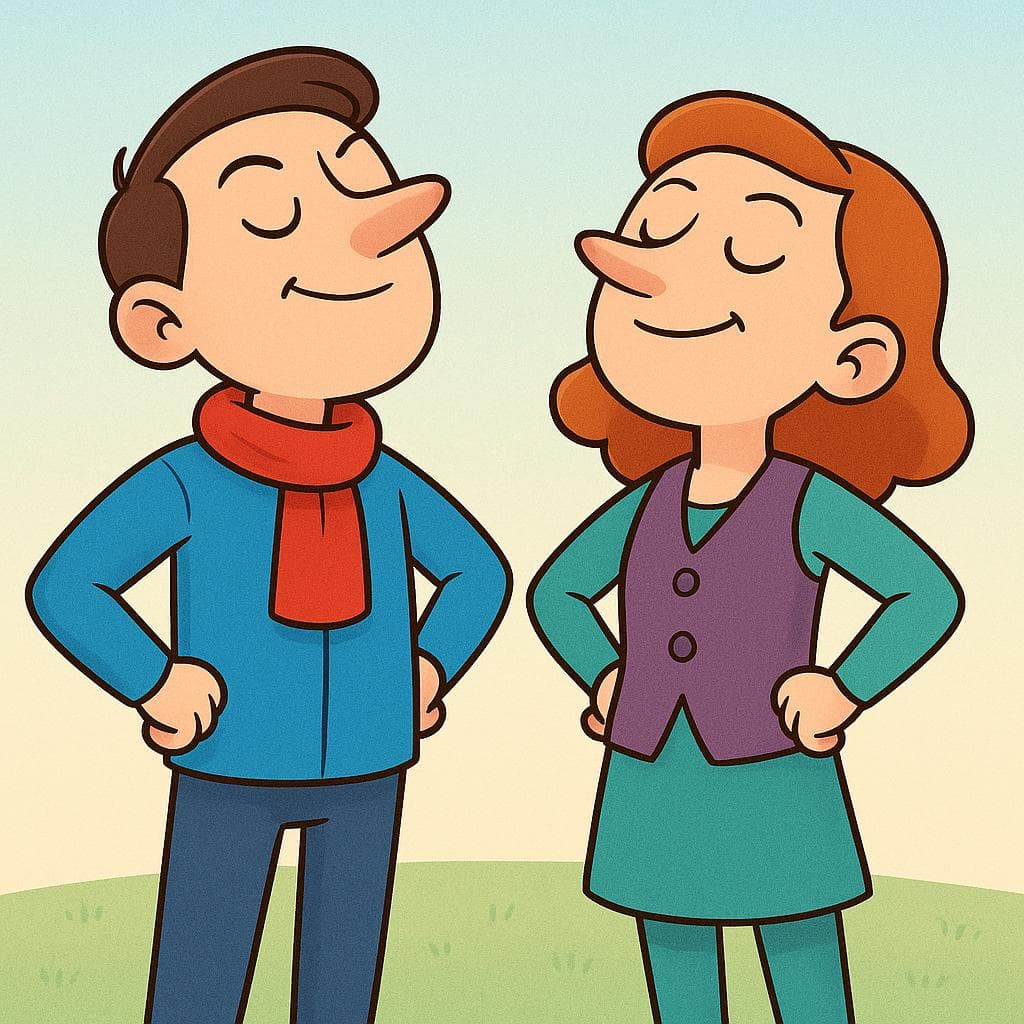
proud
Also: honored
📝 In Action
Estamos muy orgullosos de sus logros académicos.
A2We are very proud of your academic achievements.
Ellos se sintieron orgullosos al ver su trabajo terminado.
B1They felt proud when they saw their finished work.
Los ciudadanos están orgullosos de su historia.
B1The citizens are proud of their history.
arrogant
Also: haughty, stuck-up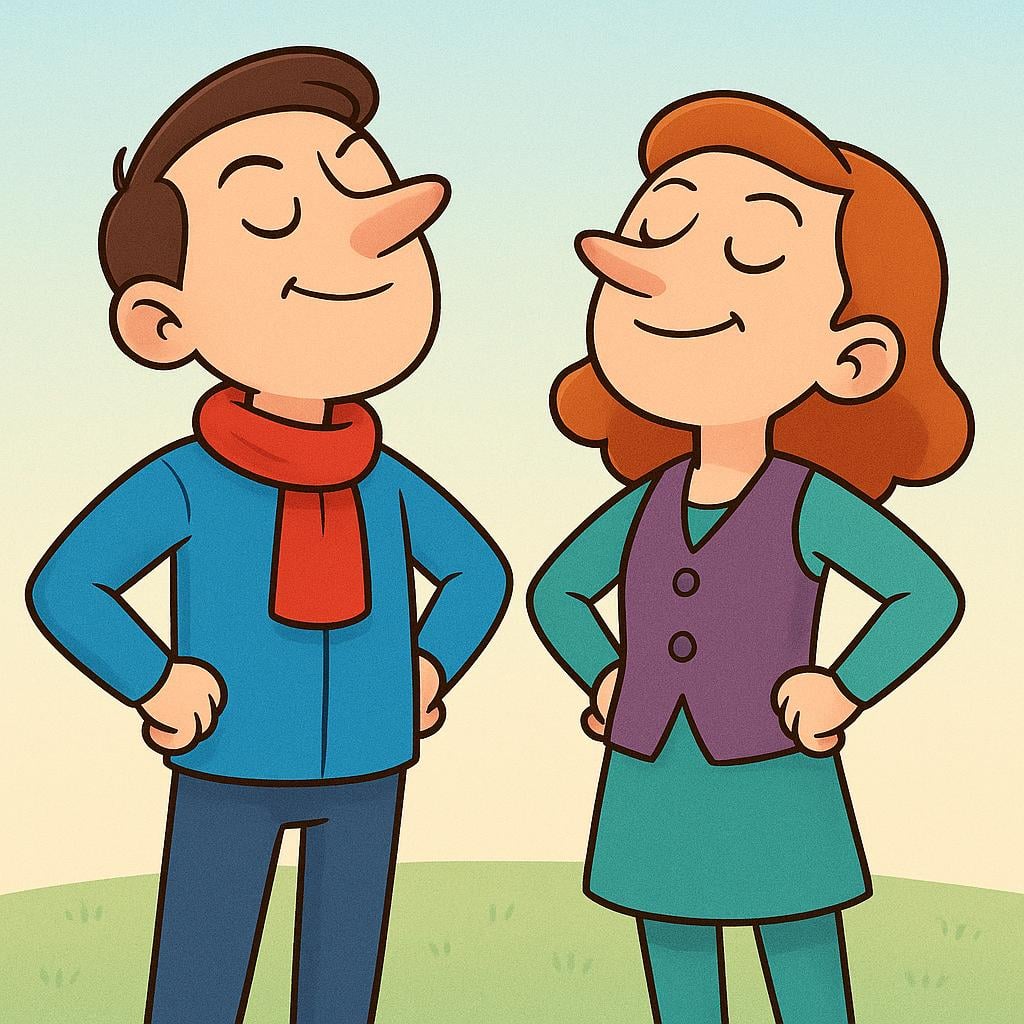
📝 In Action
Eran tan orgullosos que no escuchaban las opiniones de nadie más.
B2They were so arrogant that they wouldn't listen to anyone else's opinions.
Sus abuelos son personas muy orgullosas que viven solas.
C1Their grandparents are very stubborn (haughty) people who live alone.
✏️ Quick Practice
Quick Quiz: orgullosos
Question 1 of 2
Which sentence uses 'orgullosos' to mean 'arrogant'?
📚 More Resources
👥 Word Family▼
📚 Etymology▼
The word comes from the older Spanish word 'orgullo,' which itself came from a Vulgar Latin term *orgollius*. This term is related to Germanic words that originally meant 'power' or 'excellence.' Over time, it came to describe both the positive feeling of self-respect and the negative trait of arrogance.
First recorded: Around the 12th century
Cognates (Related words)
💡 Master Spanish
Take your Spanish to the next level. Read 200+ illustrated and narrated Spanish stories tailored to your level with the Inklingo app!
Frequently Asked Questions
How do I know whether to use 'ser' or 'estar' with 'orgullosos'?
If you are talking about a temporary feeling of satisfaction (We are proud of the victory), use **estar**. If you are describing someone's typical, negative personality (They are arrogant people), use **ser**.
Can 'orgullosos' be used to describe objects or animals?
Yes, but usually in a figurative way, meaning magnificent or imposing. For example, 'Los orgullosos picos de las montañas' (The proud/imposing peaks of the mountains).