Inklingo

pagan

/pah-gahn/

they pay

Two colorful figures standing at a simple market counter. One figure is happily handing a stack of coins to the second figure, who is receiving the payment.

Illustrating a simple transaction where 'they pay' for goods or services.

pagan(Verb)

A1regular (-AR verb) with a spelling change in some tenses (g -> gu) ar

they pay

?

when referring to 'ellos' (masculine/mixed group) or 'ellas' (feminine group)

,

you all pay

?

when referring to 'ustedes' (formal or universal plural 'you')

Also:

they are paying

?

present continuous action

📝 In Action

Los clientes pagan con tarjeta de crédito.

A1

The clients pay by credit card.

¿A qué hora pagan los empleados hoy?

A2

What time do the employees get paid today?

Ustedes pagan la mitad, nosotros pagamos la otra mitad.

A2

You all pay half, we pay the other half.

Word Connections

Synonyms

  • abonan (they credit/deposit)
  • cancelan (they settle (a debt))

Antonyms

Common Collocations

  • pagan la cuentathey pay the bill
  • pagan impuestosthey pay taxes

💡 Grammar Points

Subject Omission

Because the verb form 'pagan' clearly indicates 'they' or 'you all,' you often don't need to say 'ellos' or 'ustedes' in Spanish. The verb does the job!

The 'G' Sound Rule

When conjugating 'pagar,' the letter 'g' changes to 'gu' before the letter 'e' (like in 'pagué' or 'pague') to keep the hard 'g' sound. If it stayed 'g,' it would sound like an 'h' (pa-heh).

❌ Common Pitfalls

Using 'for' in English

Mistake: "Pagan por la cena. (literal translation of 'They pay for dinner')"

Correction: Pagan la cena. (The preposition 'por' is usually not needed when paying for a specific item.)

⭐ Usage Tips

The Passive Voice Shortcut

In Spanish, 'pagan' is often used to mean 'they are paid' or 'they receive payment,' especially when discussing salaries or wages.

Two cartoon figures shaking hands warmly. One figure is holding a small, symbolic colorful sack which they are returning to the other figure, signifying the settling of a debt.

Visualizing the action of 'they repay' a debt or obligation.

pagan(Verb)

B1regular (-AR verb) conjugation of 'pagar' ar

they repay

?

settling a debt or moral obligation

Also:

they return (a favor)

?

reciprocating kindness

📝 In Action

Ellos pagan el favor que les hiciste ayudando a su familia.

B1

They repay the favor you did them by helping their family.

Pagan su deuda de honor trabajando en la comunidad.

B2

They settle their debt of honor by working in the community.

Word Connections

Synonyms

  • devuelven (they return)
  • recompensan (they reward)

Common Collocations

  • pagan la deudathey pay the debt

⭐ Usage Tips

Figurative Use

In this context, 'pagar' doesn't always involve money. It means fulfilling a commitment or balancing the scales, whether through action or kindness.

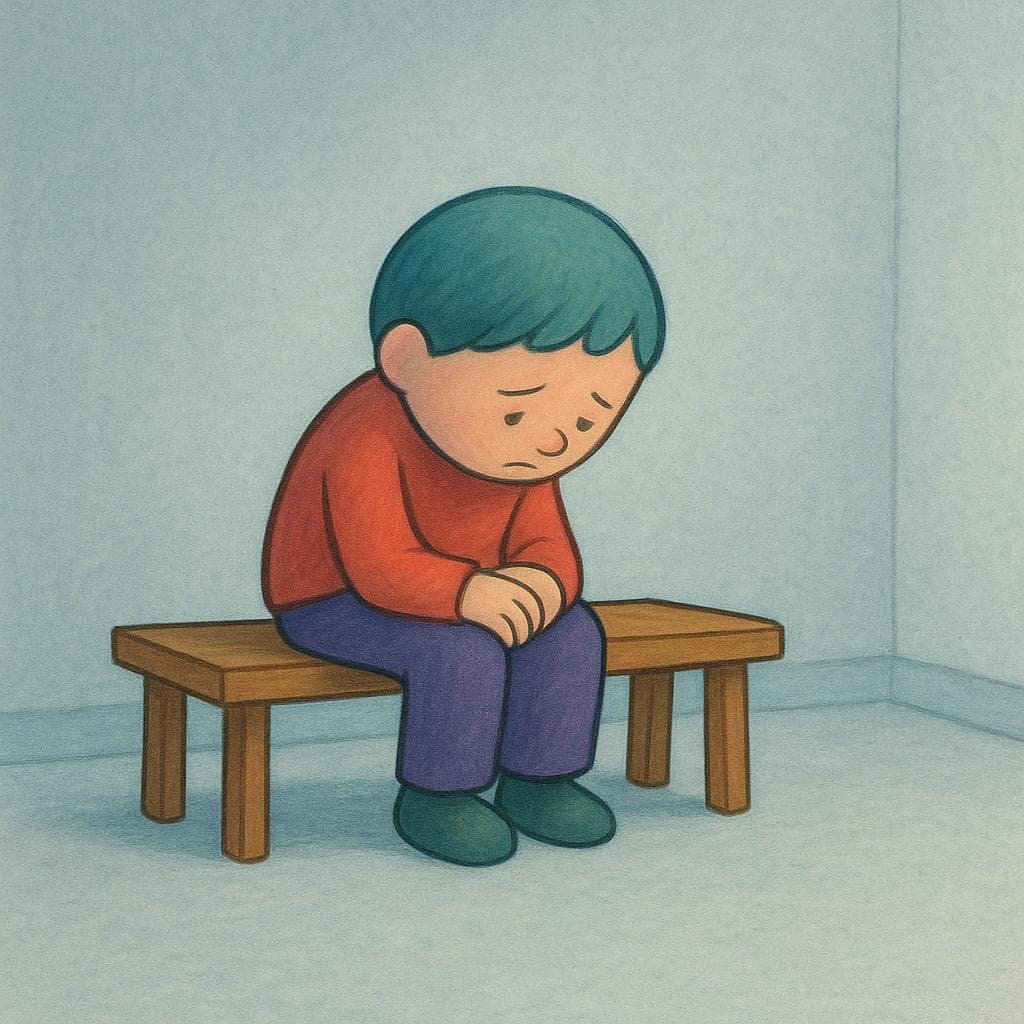
A single, solitary figure sitting alone on a simple wooden bench in a sparse room, looking downcast and burdened, symbolizing suffering the consequences.

Showing that 'they pay the price' by suffering the consequences of a past action.

pagan(Verb)

C1regular (-AR verb) conjugation of 'pagar' ar

they pay the price

?

suffering the consequences

Also:

they suffer for

?

figurative punishment

📝 In Action

Pagan caro el error de confiar en la persona equivocada.

C1

They pay dearly for the mistake of trusting the wrong person.

Los culpables pagan con años de aislamiento.

C2

The guilty ones pay with years of isolation.

Word Connections

Synonyms

  • sufren (they suffer)
  • penan (they are punished)

Common Collocations

  • pagan las consecuenciasthey pay the consequences

💡 Grammar Points

Figurative Link

This meaning extends the idea of 'settling a debt' from money to moral wrongdoing. The 'payment' is the suffering or consequence.

🔄 Conjugations

indicative

present

él/ella/ustedpaga
yopago
pagas
ellos/ellas/ustedespagan
nosotrospagamos
vosotrospagáis

imperfect

él/ella/ustedpagaba
yopagaba
pagabas
ellos/ellas/ustedespagaban
nosotrospagábamos
vosotrospagabais

preterite

él/ella/ustedpagó
yopagué
pagaste
ellos/ellas/ustedespagaron
nosotrospagamos
vosotrospagasteis

subjunctive

present

él/ella/ustedpague
yopague
pagues
ellos/ellas/ustedespaguen
nosotrospaguemos
vosotrospaguéis

imperfect

él/ella/ustedpagara/pagase
yopagara/pagase
pagaras/pagases
ellos/ellas/ustedespagaran/pagasen
nosotrospagáramos/pagásemos
vosotrospagarais/pagaseis

✏️ Quick Practice

💡 Quick Quiz: pagan

Question 1 of 2

Which sentence uses 'pagan' in the figurative sense of 'suffering consequences'?

📚 More Resources

Word Family

pagar(to pay) - verb
pago(payment) - noun

Frequently Asked Questions

How do I know if 'pagan' means 'they pay' or 'you all pay'?

You need context! If you are speaking formally to a group, it means 'you all pay' (ustedes). If you are talking about a different group of people (like 'the neighbors' or 'the company'), it means 'they pay' (ellos/ellas).

Is 'pagan' a regular verb?

Yes, 'pagar' is generally regular, following the easy -AR pattern. However, it requires a small spelling change (g to gu) in the preterite 'yo' form and all forms of the present subjunctive (like 'pague') just to make sure the 'g' keeps its hard sound.