parientes
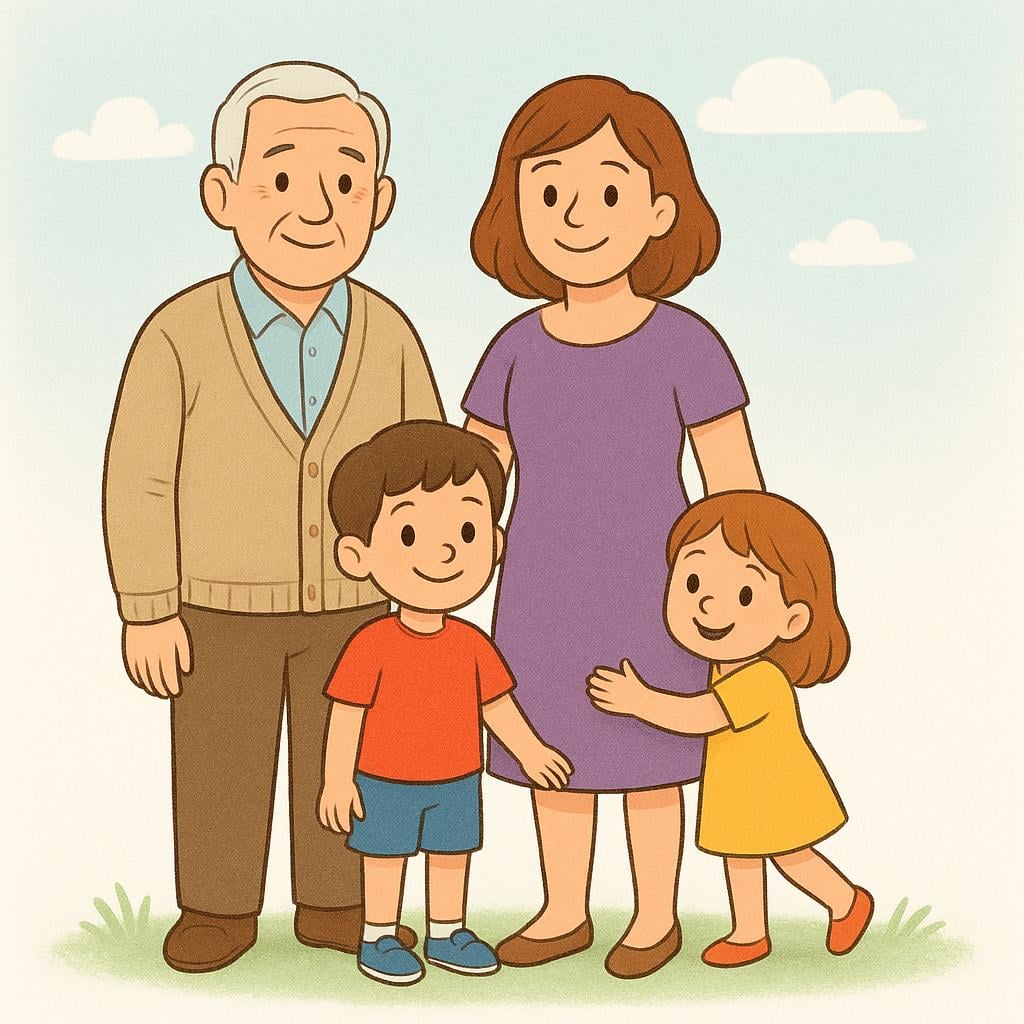
“parientes” means “relatives” in Spanish (family members generally).
relatives, relationsAlso: family members
📝 In Action
Todos mis parientes vinieron a la boda de mi hermana.
A1All my relatives came to my sister's wedding.
No tengo muchos parientes que vivan en esta ciudad.
A2I don't have many family members who live in this city.
Ella fue a visitar a sus parientes lejanos en el campo.
B1She went to visit her distant relations in the countryside.
Word Connections
Translate to Spanish
Words that translate to "parientes" in Spanish:
✏️ Quick Practice
Quick Quiz: parientes
Question 1 of 2
If you want to say 'my mother and father' in Spanish, which word should you use?
📚 More Resources
👥 Word Family
📚 Etymology
Comes from the Latin word *parens*, which originally meant 'one who brings forth' or 'parent.' Spanish kept the root but broadened the meaning to include all family relations (aunts, uncles, cousins, etc.), not just parents.
First recorded: Old Spanish (around the 13th century)
Cognates (Related words)
💡 Master Spanish
Take your Spanish to the next level. Read 200+ illustrated and narrated Spanish stories tailored to your level with the Inklingo app!
Frequently Asked Questions
Is 'parientes' the same as 'familiares'?
They are very close synonyms! 'Familiares' usually emphasizes the immediate family, while 'parientes' can include more distant relations, like second cousins. However, in everyday conversation, they are often used interchangeably to mean 'relatives'.
Can 'parientes' refer only to women?
Yes, but the word itself is grammatically masculine. If you are talking about a group of relatives who are all women (e.g., three aunts), you still use 'mis parientes' or 'las parientes' (the female relatives), keeping the noun masculine but using the feminine article if you specify the gender.