Inklingo

pasear

/pah-seh-AHR/

to walk (a pet)

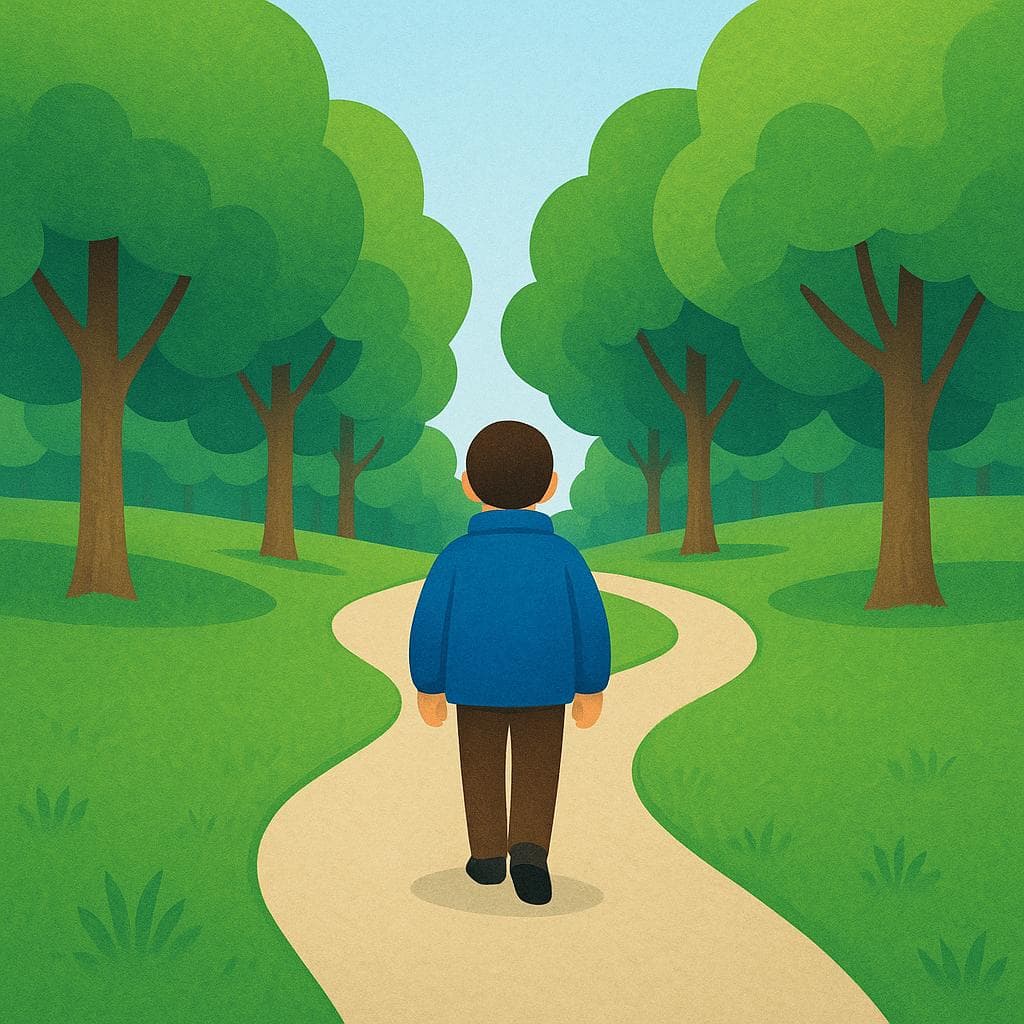
A person holding a red leash, walking a happy brown dog along a green park path.

Pasear when used for animals means taking a pet out for a walk.

pasear(verb)

A1regular ar

to walk (a pet)

?

taking an animal out

,

to take for a walk

?

taking a person or child out

Also:

to parade

?

showing something off

📝 In Action

¿Puedes pasear al perro después de cenar?

A1

Can you walk the dog after dinner?

Mi abuelo siempre me paseaba en su coche viejo.

A2

My grandfather always took me for a ride in his old car.

Word Connections

Synonyms

  • caminar (to walk (generally))
  • dar un paseo (to take a walk)

Common Collocations

  • pasear en bicicletato ride a bike
  • pasear por la playato stroll along the beach

💡 Grammar Points

Action on an Object

When you use 'pasear' without a pronoun (like 'me' or 'se'), it means you are walking someone or something else (the object).

❌ Common Pitfalls

Using 'Pasear' for Simple Walking

Mistake: "Voy a pasear a la tienda. (I am going to walk to the store.)"

Correction: Voy a caminar a la tienda. ('Pasear' implies a leisurely stroll, not simple transportation.)

⭐ Usage Tips

The 'a' connection

You almost always need the personal 'a' when the object you are walking is a person or animal: 'Paseo a mi hijo' (I walk my son).

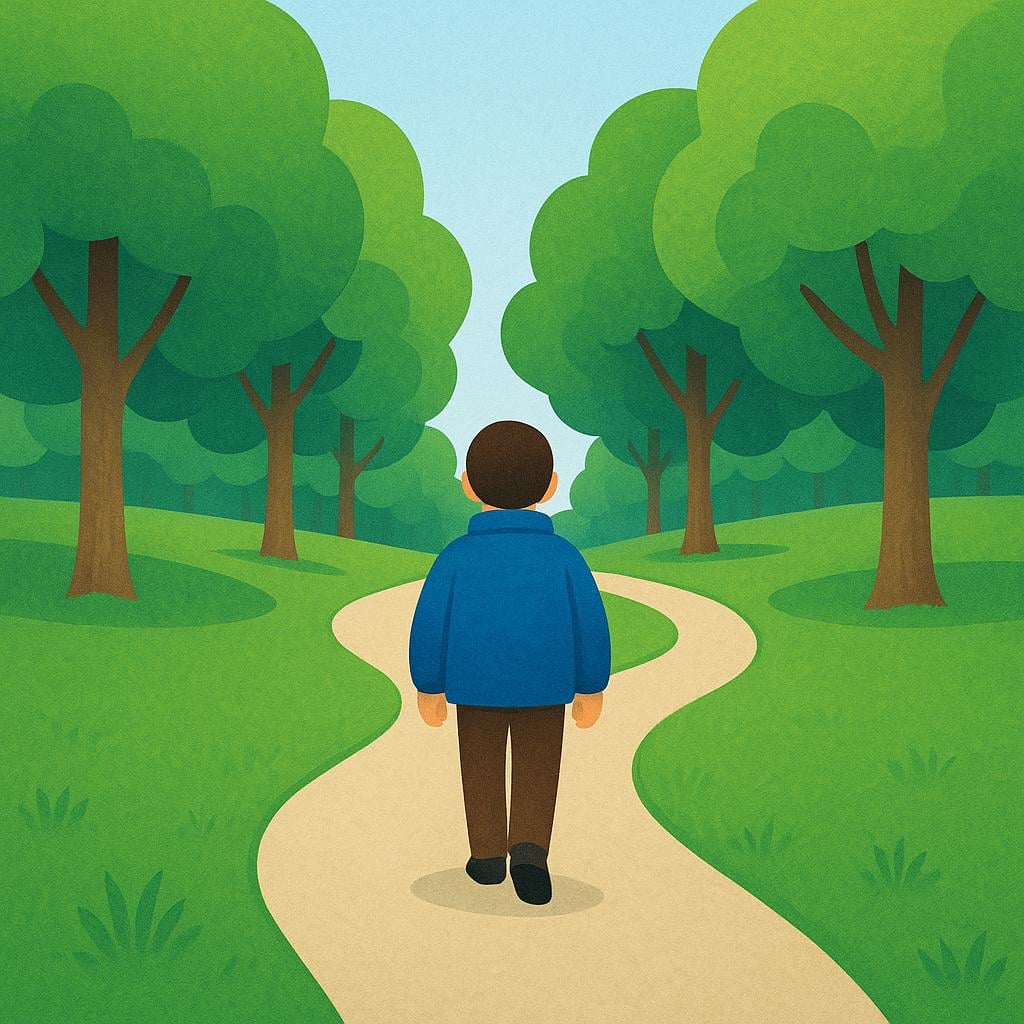
A stylized figure walking alone down a winding path surrounded by green trees, enjoying a stroll.

When used reflexively or alone, pasear means taking a stroll or going for a walk oneself.

pasear(verb)

A2regular (reflexive) ar

to go for a walk

?

taking a stroll oneself

,

to wander/stroll

?

moving around for leisure

Also:

to ride around

?

e.g., in a vehicle or bike

📝 In Action

Me gusta pasearme por el centro histórico los domingos.

A2

I like to stroll through the historic center on Sundays.

Cuando estoy estresado, me paseo por el jardín para relajarme.

B1

When I'm stressed, I walk around the garden to relax.

Word Connections

Synonyms

  • vagar (to wander aimlessly)
  • recorrer (to travel/tour)

Common Collocations

  • pasearse en cocheto go for a drive

💡 Grammar Points

The Reflexive Form ('-se')

When you add the reflexive pronoun (me, te, se, nos, os, se), the action reflects back onto the person doing it: 'Me paseo' means 'I walk myself' or 'I go for a walk'.

❌ Common Pitfalls

Forgetting the Pronoun

Mistake: "Yo paseo por el parque. (I walk the park.)"

Correction: Yo me paseo por el parque. (I walk myself/I stroll through the park. If you omit 'me,' it sounds like you are walking the park itself.)

⭐ Usage Tips

Pasear vs. Caminar

Use 'caminar' for basic walking (like exercise or going somewhere specific). Use 'pasearse' for walking for fun, relaxation, or sightseeing.

🔄 Conjugations

indicative

present

él/ella/ustedpasea
yopaseo
paseas
ellos/ellas/ustedespasean
nosotrospaseamos
vosotrospaseáis

imperfect

él/ella/ustedpaseaba
yopaseaba
paseabas
ellos/ellas/ustedespaseaban
nosotrospaseábamos
vosotrospaseabais

preterite

él/ella/ustedpaseó
yopaseé
paseaste
ellos/ellas/ustedespasearon
nosotrospaseamos
vosotrospaseasteis

subjunctive

present

él/ella/ustedpasee
yopasee
pasees
ellos/ellas/ustedespaseen
nosotrospaseemos
vosotrospaseéis

imperfect

él/ella/ustedpaseara/pasease
yopaseara/pasease
pasearas/paseases
ellos/ellas/ustedespasearan/paseasen
nosotrospaseáramos/paseásemos
vosotrospasearais/paseaseis

✏️ Quick Practice

💡 Quick Quiz: pasear

Question 1 of 2

Which sentence correctly uses 'pasear' in its reflexive form?

📚 More Resources

Word Family

Frequently Asked Questions

What is the difference between 'pasear' and 'caminar'?

'Caminar' simply means 'to walk' (like going from point A to point B, or walking for exercise). 'Pasear' or 'pasearse' means 'to stroll' or 'to wander for pleasure'—it emphasizes the relaxed, enjoyable nature of the movement, often without a specific destination.

How do I conjugate 'pasear'? Is it irregular?

'Pasear' is a perfectly regular -ar verb, making it very easy to conjugate! Just use the standard endings for the indicative, subjunctive, and imperative moods.