pastillas
“pastillas” means “pills” in Spanish. It has 3 different meanings depending on context:
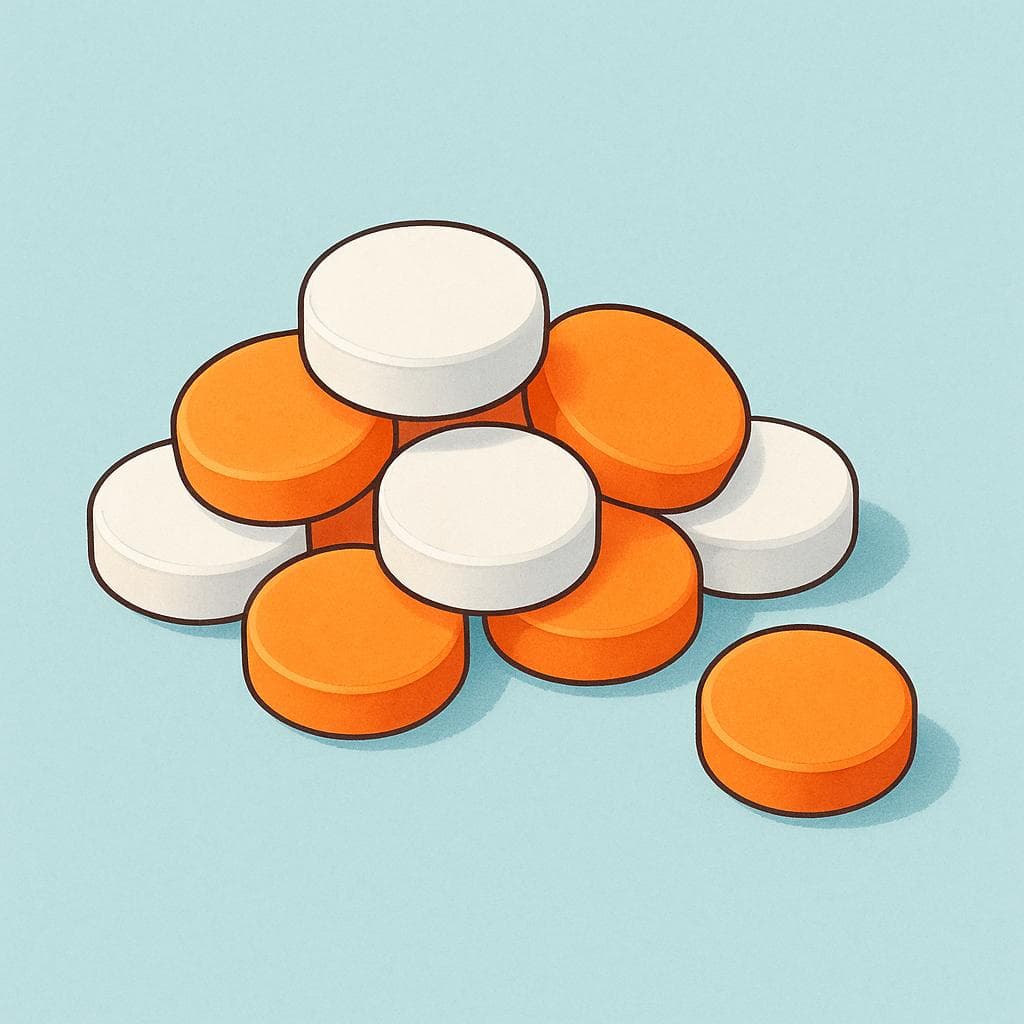

pills, tablets
Also: capsules
📝 In Action
Tengo que tomar dos pastillas después de cada comida.
A1I have to take two pills after every meal.
¿Dónde guardas las pastillas para el dolor de cabeza?
A2Where do you keep the headache tablets?
lozenge, mint/candy tablet

📝 In Action
Las pastillas de miel y limón me ayudan con la tos.
B1The honey and lemon lozenges help me with my cough.
Siempre llevo pastillas de menta en el bolsillo.
B1I always carry mints in my pocket.
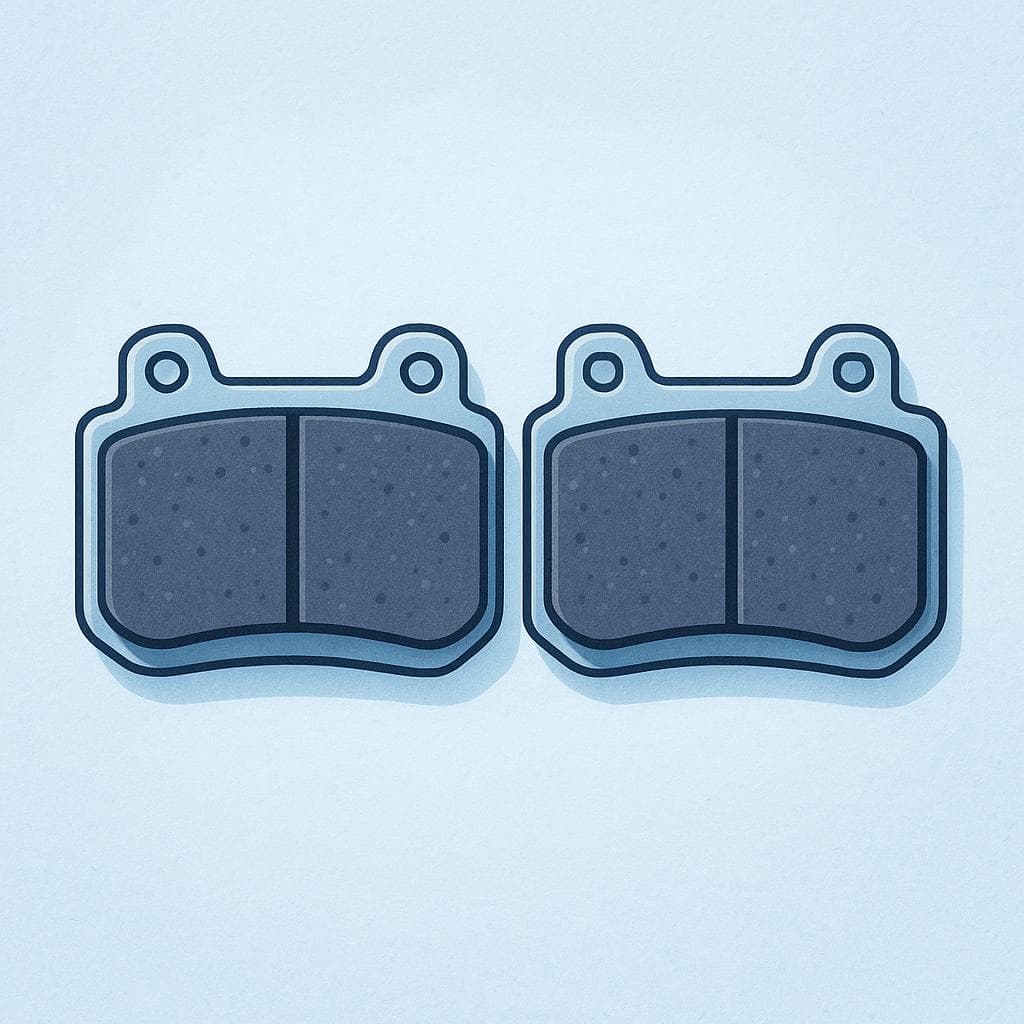
brake pads
Also: brake shoes
📝 In Action
El mecánico dijo que necesito cambiar las pastillas de freno.
B2The mechanic said I need to change the brake pads.
Las pastillas de mi bicicleta hacen mucho ruido.
C1The brake pads on my bicycle make a lot of noise.
Translate to Spanish
✏️ Quick Practice
Quick Quiz: pastillas
Question 1 of 2
Which sentence uses 'pastillas' in its most common, everyday meaning?
📚 More Resources
👥 Word Family▼
📚 Etymology▼
The word comes from the Old Spanish diminutive form of 'pasta' (paste or dough), meaning 'a small piece of paste.' This refers to how early medications or candies were prepared and molded into small, solid shapes.
First recorded: 15th century
Cognates (Related words)
💡 Master Spanish
Take your Spanish to the next level. Read 200+ illustrated and narrated Spanish stories tailored to your level with the Inklingo app!
Frequently Asked Questions
Is 'pastillas' feminine or masculine?
'Pastillas' is a feminine plural noun. You must use feminine articles and adjectives with it (e.g., 'las pastillas', 'pastillas buenas').
Can I use 'píldora' instead of 'pastilla'?
Yes, but 'pastilla' is much more general and common for all types of tablets. 'Píldora' is often specifically used for birth control pills, though sometimes it's used generally.