pavo
“pavo” means “turkey” in Spanish. It has 2 different meanings depending on context:
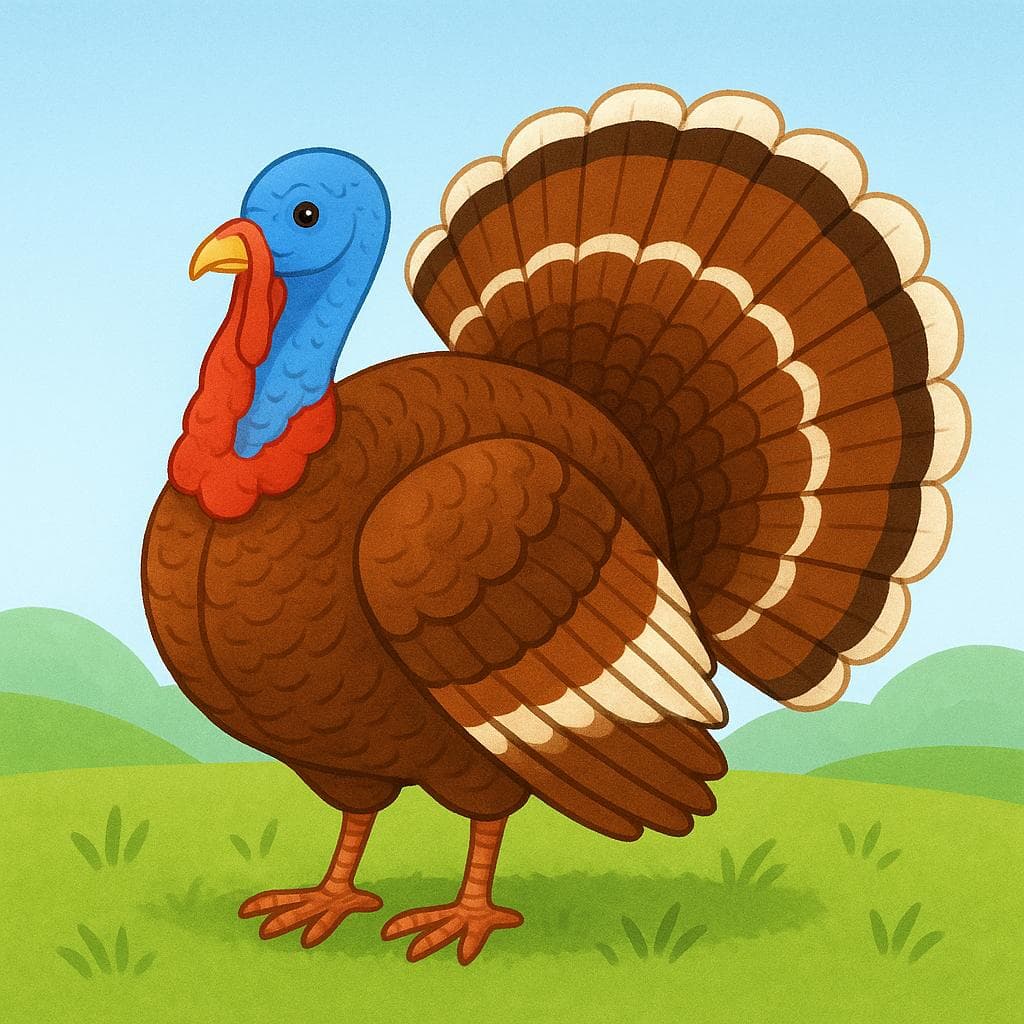

turkey
Also: peacock
📝 In Action
Para la cena de Navidad, mi abuela siempre prepara un pavo enorme.
A1For Christmas dinner, my grandmother always prepares a huge turkey.
El pavo es nativo de América del Norte.
A2The turkey is native to North America.
silly person, clown
Also: idiot
📝 In Action
¡Qué pavo eres! ¿Cómo se te ocurrió hacer eso?
B1What an idiot you are! How did it occur to you to do that?
Mi hermano es un poco pavo cuando intenta hablar con chicas.
B2My brother is a bit clueless/awkward when he tries to talk to girls.
Vocabulary Collections
Translate to Spanish
✏️ Quick Practice
Quick Quiz: pavo
Question 1 of 2
If someone in Madrid tells you, 'No seas tan pavo,' what are they trying to communicate?
📚 More Resources
👥 Word Family▼
📚 Etymology▼
Comes directly from the Latin word *pavo*, which originally meant 'peacock.' When the European explorers encountered the New World bird (the turkey), they compared it to the familiar peacock due to its size and plumage, applying the same name to it.
First recorded: 13th century (in Spanish)
Cognates (Related words)
💡 Master Spanish
Take your Spanish to the next level. Read 200+ illustrated and narrated Spanish stories tailored to your level with the Inklingo app!
Frequently Asked Questions
Does 'pavo' always mean 'turkey'?
No. While its primary meaning is the bird or the meat (turkey), in Spain, it is extremely common slang for a person who is acting silly, clumsy, or naive. Always check the region and context!
Is 'pavo real' the same as 'pavo'?
'Pavo real' literally translates to 'royal turkey,' but it means 'peacock.' If you just say 'pavo,' people will almost always understand you mean the Thanksgiving/Christmas bird.