payaso
“payaso” means “clown” in Spanish. It has 2 different meanings depending on context:

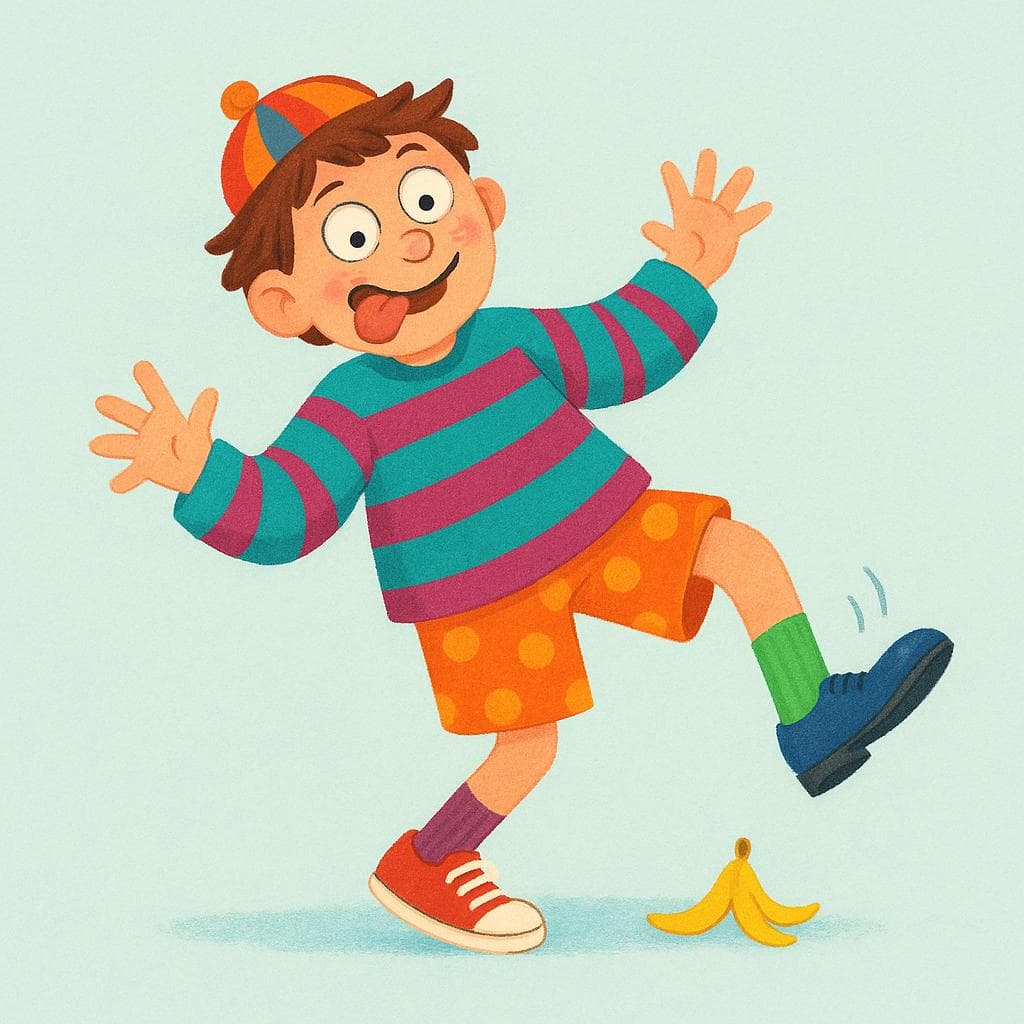
clown
Also: jester
📝 In Action
El payaso hizo reír a todos los niños en la fiesta.
A1The clown made all the children laugh at the party.
Su disfraz de payaso tenía una nariz roja muy grande.
A2His clown costume had a very large red nose.
joker, idiot
Also: clown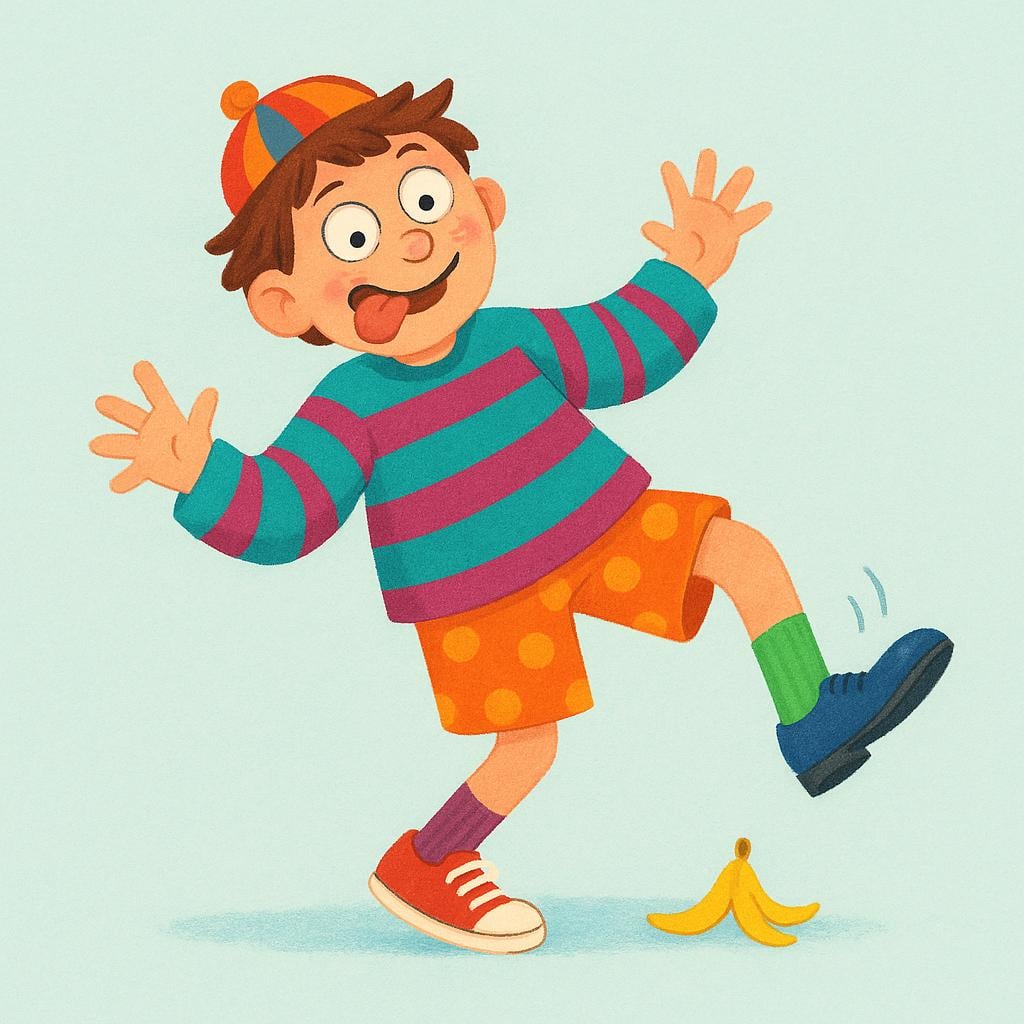
📝 In Action
No seas payaso y compórtate seriamente.
B1Don't be a clown (a fool) and behave seriously.
Mi hermano es un payaso; siempre está haciendo chistes malos.
B2My brother is a joker; he's always telling bad jokes.
✏️ Quick Practice
Quick Quiz: payaso
Question 1 of 1
Which sentence uses 'payaso' in its informal, insulting sense?
📚 More Resources
👥 Word Family▼
📚 Etymology▼
The word comes from the Italian word *pagliaccio* (pronounced pahl-YAH-choh), which literally meant 'straw mattress' or 'rag sack.' This referred to the early, rustic, and simple costume worn by traditional Italian circus performers, who were the predecessors of modern clowns.
First recorded: 16th century (in Spanish usage)
Cognates (Related words)
💡 Master Spanish
Take your Spanish to the next level. Read 200+ illustrated and narrated Spanish stories tailored to your level with the Inklingo app!
Frequently Asked Questions
How do I say 'clown around' as a verb?
The most common way is the idiomatic phrase 'hacer el payaso.' For example: 'Los niños estaban haciendo el payaso en el recreo' (The kids were clowning around during recess).
Is 'payaso' always an insult?
No. When referring to the circus performer, it is neutral ('el payaso'). It only becomes an insult or playful teasing when used metaphorically to describe a person's silly or annoying behavior ('¡Eres un payaso!').