pechos
“pechos” means “chests” in Spanish. It has 2 different meanings depending on context:

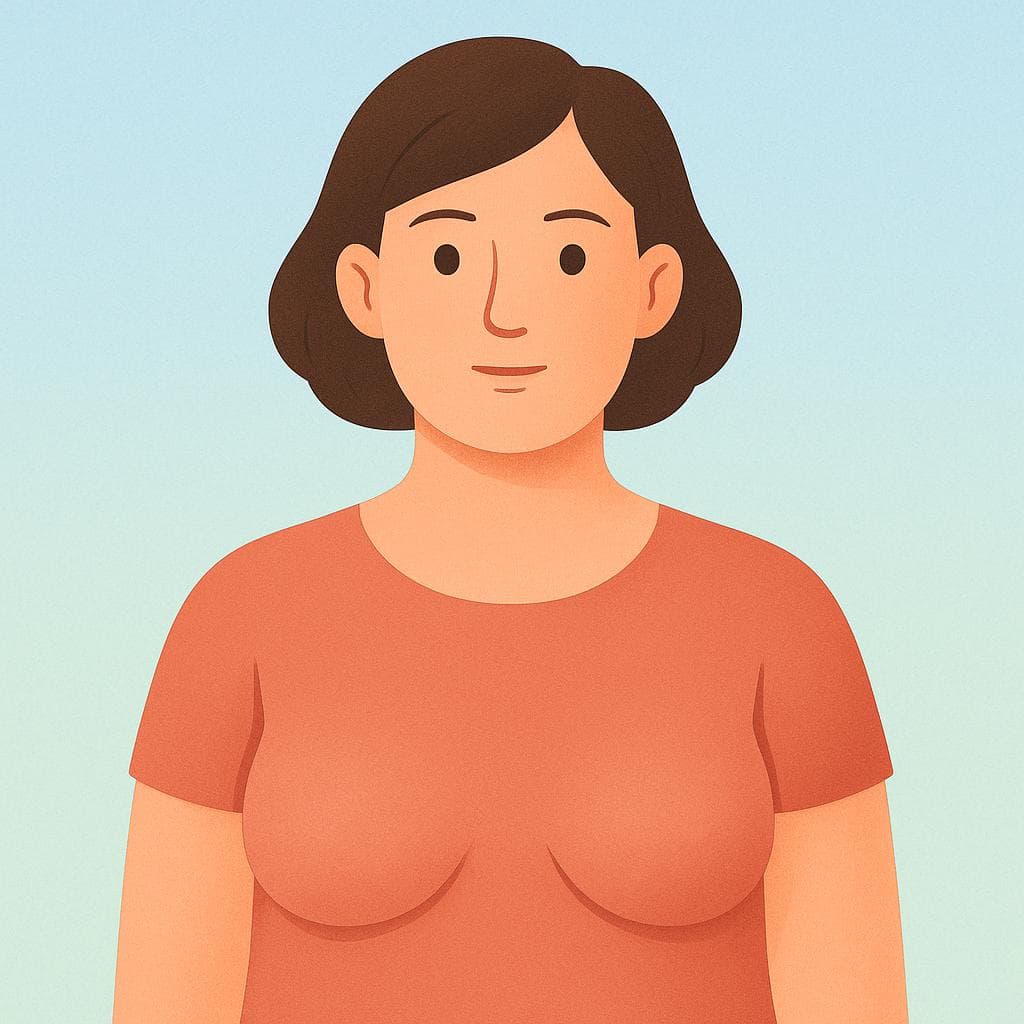
chests
Also: breasts
📝 In Action
Los nadadores tienen pechos muy anchos.
A2Swimmers have very wide chests.
El doctor revisó los pechos de los pacientes.
B1The doctor checked the patients' chests.
breasts
Also: bosom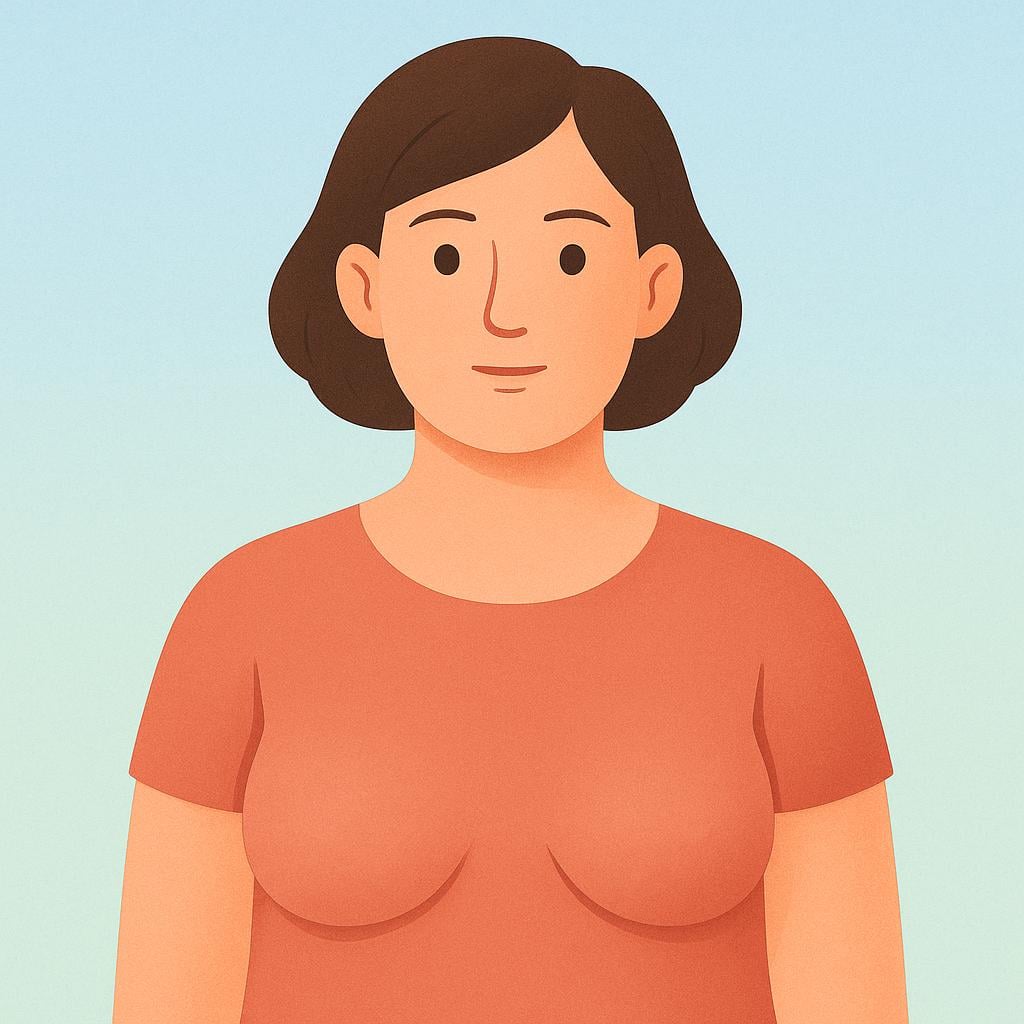
📝 In Action
La madre alimentó a su bebé con sus pechos.
B1The mother fed her baby with her breasts (by breastfeeding).
Ella se puso un vestido que cubría sus pechos.
B2She put on a dress that covered her breasts.
✏️ Quick Practice
Quick Quiz: pechos
Question 1 of 1
Which sentence uses 'pechos' to refer to the general upper torso?
📚 More Resources
👥 Word Family▼
🎵 Rhymes▼
📚 Etymology▼
Comes from the Latin word *pectus*, meaning 'chest' or 'breast'. It has remained very similar in form and meaning over the centuries.
First recorded: Old Spanish (around the 13th century)
Cognates (Related words)
💡 Master Spanish
Take your Spanish to the next level. Read 200+ illustrated and narrated Spanish stories tailored to your level with the Inklingo app!
Frequently Asked Questions
If 'pechos' means 'breasts,' why is it a masculine noun?
The gender of the word ('pechos,' masculine) is inherited from its Latin root (*pectus*, neuter/masculine) and is independent of the gender of the person it refers to. Spanish grammar dictates that the word 'pecho' and its plural form 'pechos' must always take masculine articles (el/los).
Is 'pechos' the most polite way to say 'breasts'?
It is a neutral and common word. For clinical or formal discussions, 'senos' or 'mamas' are often used, especially in Latin America. 'Pechos' is perfectly acceptable in everyday conversation.