plan
“plan” means “plan” in Spanish. It has 3 different meanings depending on context:

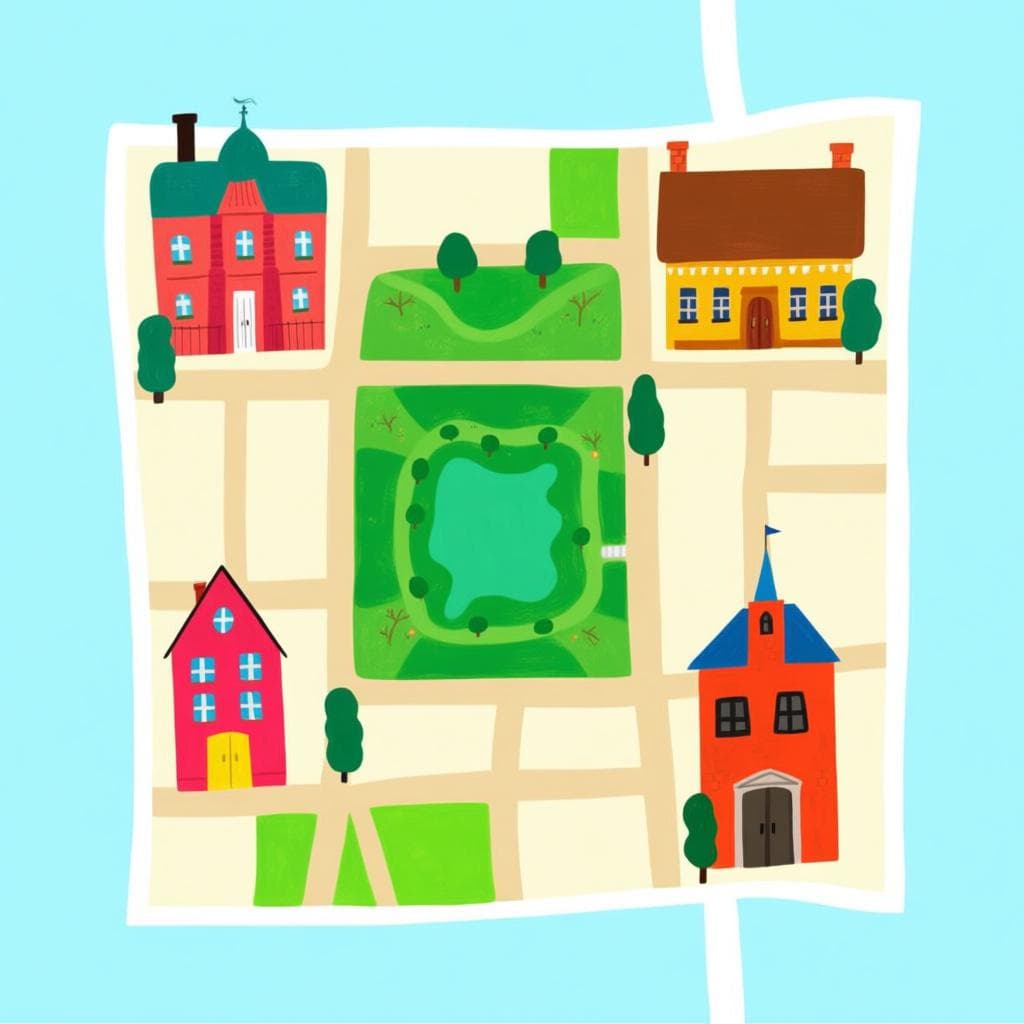

planAlso: scheme, project, intention

📝 In Action
¿Cuál es el plan para esta noche?
A1What's the plan for tonight?
Tenemos un plan para mejorar las ventas de la empresa.
A2We have a plan to improve the company's sales.
Mi plan es viajar por Sudamérica el próximo año.
B1My plan is to travel through South America next year.
Word Connections
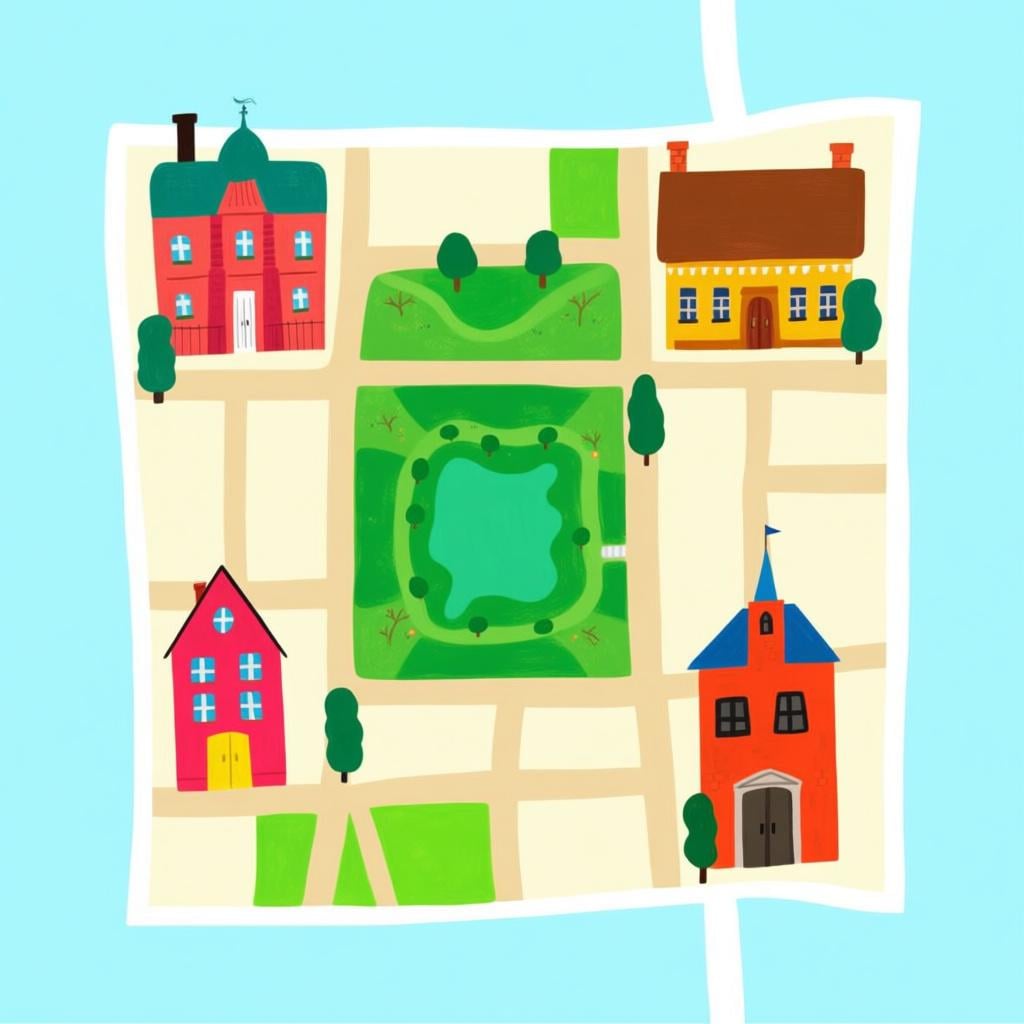
map, layoutAlso: floor plan, diagram
📝 In Action
El arquitecto nos mostró el plan de la nueva casa.
B1The architect showed us the floor plan of the new house.
Necesito un plan de la ciudad para encontrar el hotel.
A2I need a city map to find the hotel.
Word Connections
in the style of / likeAlso: as, in a... way

📝 In Action
Me lo dijo en plan de broma, no te preocupes.
B2He told it to me as a joke, don't worry.
Vamos a la playa en plan tranquilo, solo para relajarnos.
B2We're going to the beach in a relaxed mode, just to chill.
Llegó a la reunión en plan 'yo lo sé todo'.
C1He arrived at the meeting with an 'I know everything' attitude.
Word Connections
🔀 Commonly Confused With
Translate to Spanish
✏️ Quick Practice
Quick Quiz: plan
Question 1 of 2
Which sentence uses 'plan' to mean a map or layout?
📚 More Resources
👥 Word Family
📚 Etymology
Comes from the French word 'plan', which originally meant a 'plane' or 'flat surface'. This evolved to mean a drawing on a flat surface (like a map or blueprint), and from there, to the abstract idea of a 'plan' or 'design' for the future.
First recorded: 18th century
Cognates (Related words)
💡 Master Spanish
Take your Spanish to the next level. Read 200+ illustrated and narrated Spanish stories tailored to your level with the Inklingo app!
Frequently Asked Questions
What's the difference between 'plan' and 'plano'?
They can be confusing! 'Plan' is most often an intention or a set of steps ('What's the plan?'). 'Plano' usually refers to a technical drawing, like a blueprint or floor plan ('the architect's plans'). For a city map, you can often use either 'el plan de la ciudad' or 'el plano de la ciudad', but 'plano' can feel a bit more technical.
Is 'hacer planes' (to make plans) always plural?
Great question! You can 'hacer un plan' (make one specific plan) or 'hacer planes' (make general plans). For example, 'Hice un plan para las vacaciones' (I made a plan for the vacation) vs. '¿Hacemos planes para el sábado?' (Should we make plans for Saturday?). Both are correct, it just depends on whether you're talking about one specific idea or general arrangements.