planeado
“planeado” means “planned” in Spanish. It has 2 different meanings depending on context:
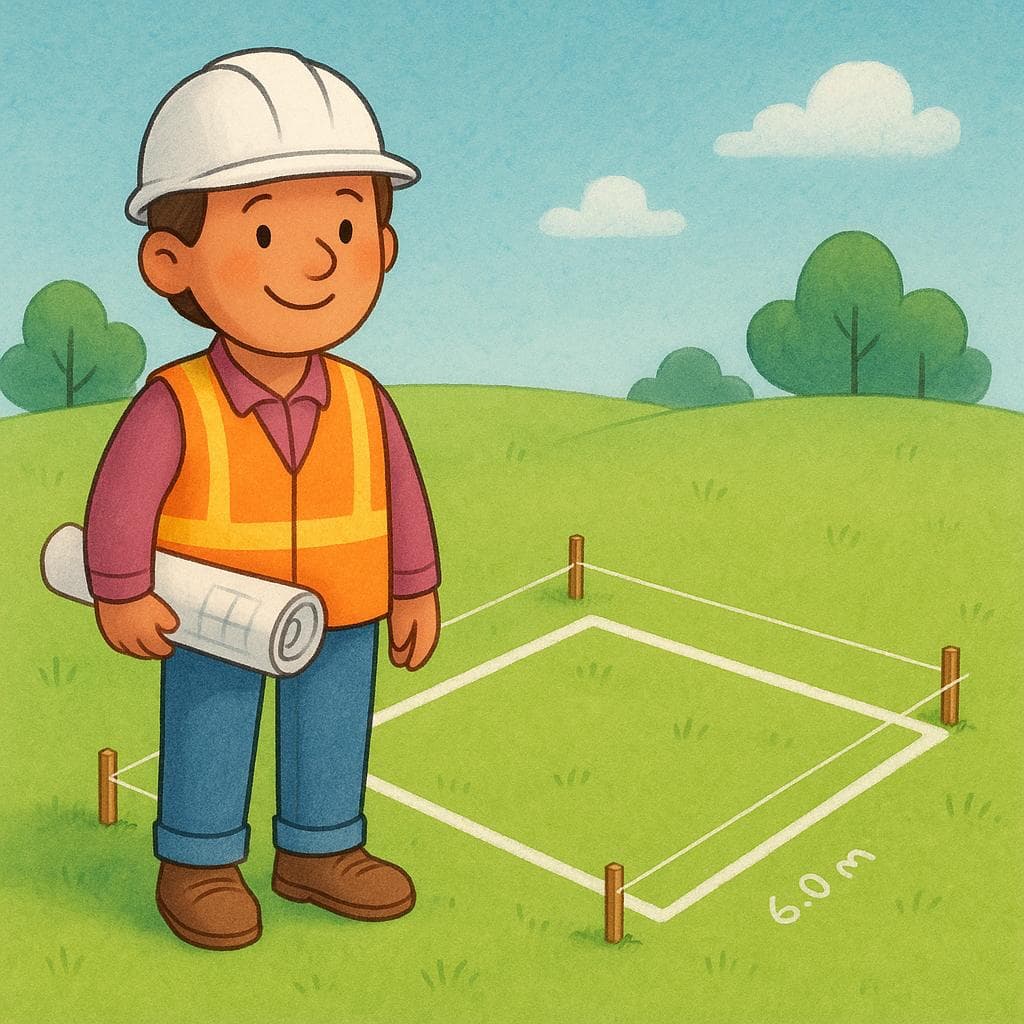

plannedAlso: scheduled, intended
📝 In Action
La excursión planeada para mañana fue cancelada por la lluvia.
A2The excursion planned for tomorrow was canceled due to the rain.
Su discurso fue muy planeado, no dijo nada espontáneo.
B1His speech was very planned; he didn't say anything spontaneous.
Tenemos unas vacaciones planeadas en la playa para agosto.
A2We have a planned vacation at the beach for August.
Word Connections
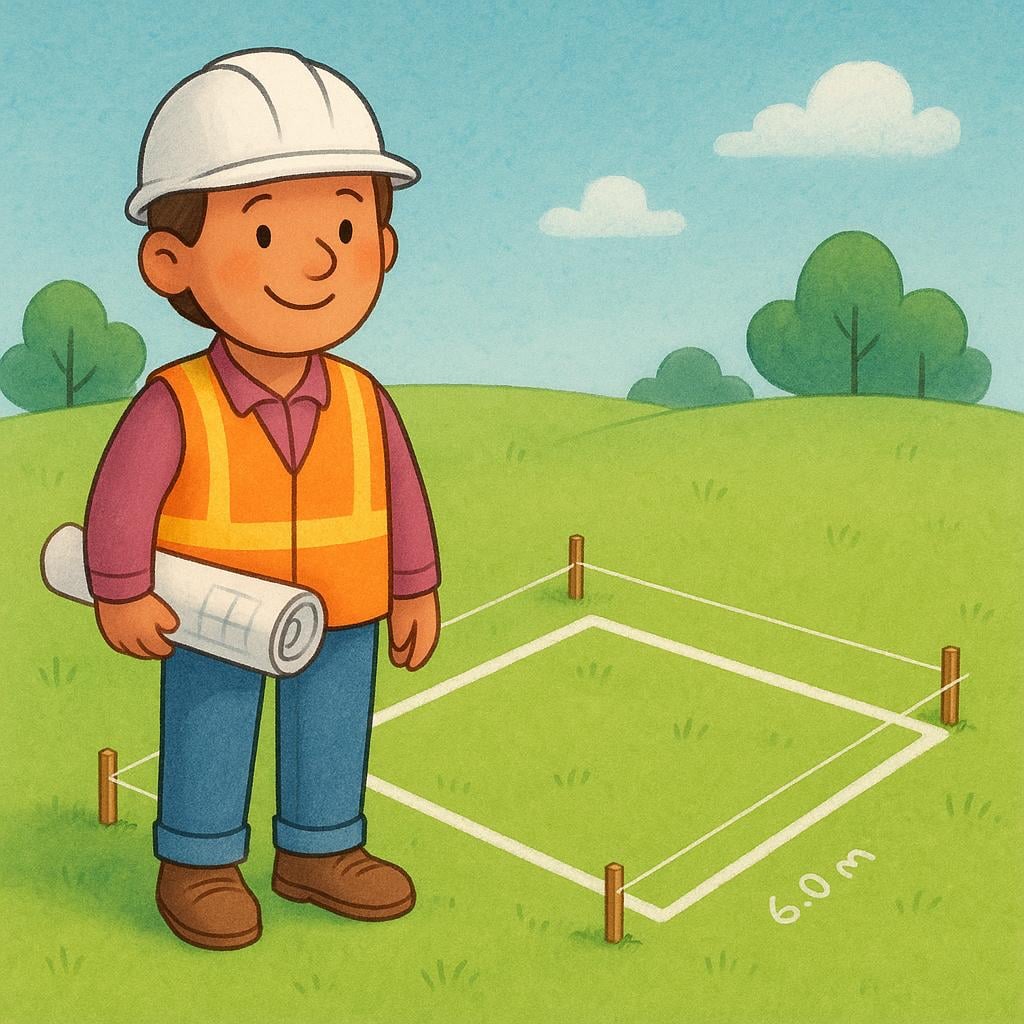
plannedAlso: arranged

📝 In Action
Hemos planeado ir al cine este fin de semana.
A1We have planned to go to the cinema this weekend.
¿Ya habías planeado la mudanza cuando me avisaste?
B1Had you already planned the move when you told me?
Word Connections
✏️ Quick Practice
Quick Quiz: planeado
Question 1 of 1
Which sentence uses 'planeado' in a way that requires it to match the gender of the noun?
📚 More Resources
👥 Word Family
📚 Etymology
Comes from the verb 'planear,' which itself developed from the Latin word *planus*, meaning 'flat' or 'level.' This is related to the idea of laying out something clearly or mapping out a course of action.
First recorded: Medieval Spanish
Cognates (Related words)
💡 Master Spanish
Take your Spanish to the next level. Read 200+ illustrated and narrated Spanish stories tailored to your level with the Inklingo app!
Frequently Asked Questions
When does 'planeado' change its ending (o/a/os/as)?
'Planeado' only changes its ending when it is used as an adjective (Definition 1), meaning it is describing a noun: 'la ruta planeada' (the planned route). When used with the helper verb 'haber' (Definition 2), it always stays 'planeado': 'Hemos planeado un viaje.'
Is 'planeado' related to the English word 'airplane'?
Yes, indirectly. Both words share the root meaning 'flat' or 'level.' An 'airplane' is a plane that moves through the air. The verb 'planear' can also mean 'to glide' (like an airplane or a bird), which is a less common but related meaning.