pocos
“pocos” means “few” in Spanish. It has 2 different meanings depending on context:

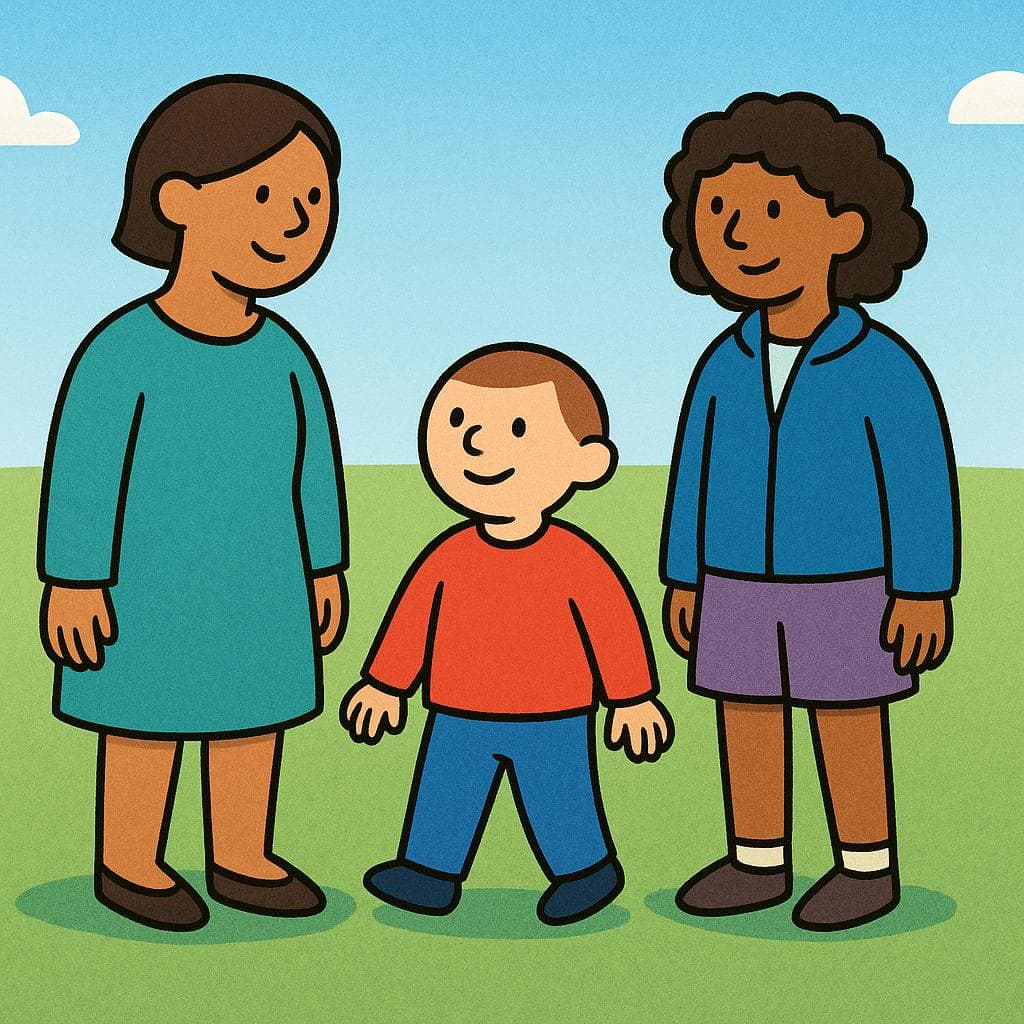
few, not many
Also: a small number of
📝 In Action
Quedan pocos minutos para el final del partido.
A1There are few minutes left until the end of the game.
Tenemos pocos libros en la biblioteca de casa.
A1We have few books in our home library.
Hubo pocos comentarios positivos sobre la película.
B1There were few positive comments about the movie.
few, a handful
Also: not many people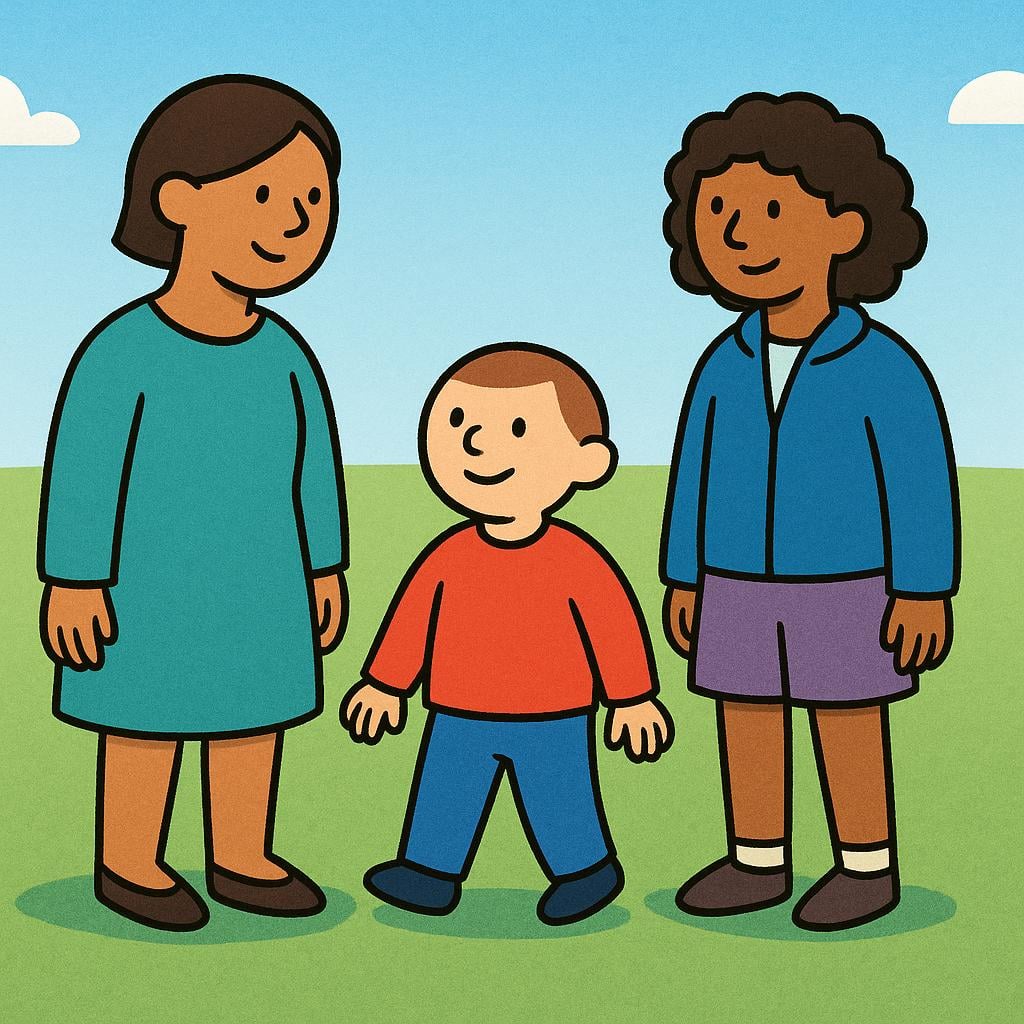
📝 In Action
De todos los candidatos, solo pocos pasaron la prueba.
A2Of all the candidates, only few passed the test.
Llegaron muy pocos a la reunión.
B1Very few arrived at the meeting.
Yo he visto muchos, pero pocos son tan buenos.
B2I have seen many, but few are so good.
✏️ Quick Practice
Quick Quiz: pocos
Question 1 of 2
Which sentence correctly uses 'pocos' as a pronoun (standing alone)?
📚 More Resources
👥 Word Family▼
🎵 Rhymes▼
📚 Etymology▼
Comes from the Latin word *paucus*, which meant 'little' or 'few.' This Latin root is also the origin of English words like 'paucity'.
First recorded: Medieval Spanish (around the 13th century)
Cognates (Related words)
💡 Master Spanish
Take your Spanish to the next level. Read 200+ illustrated and narrated Spanish stories tailored to your level with the Inklingo app!
Frequently Asked Questions
How is 'pocos' different from 'algunos'?
'Pocos' means 'few' and usually implies that the number is smaller than expected or needed. 'Algunos' means 'some' and is a neutral way to describe an unspecified, non-zero amount.
Can I use 'un pocos' to mean 'a few'?
No. When referring to plural countable things, you just use 'pocos' (few). The phrase 'un poco' means 'a little bit' and is only used with singular, uncountable things (like water or time).