poesía
“poesía” means “poetry” in Spanish. It has 2 different meanings depending on context:


poetry
Also: verse
📝 In Action
Mi hermana estudia la historia de la poesía moderna.
A2My sister studies the history of modern poetry.
A los niños les encanta la poesía con rima.
A1Children love poetry that has rhyme.
He comprado un libro de poesía de Pablo Neruda.
A2I have bought a book of poetry by Pablo Neruda.
poetic quality
Also: charm, magic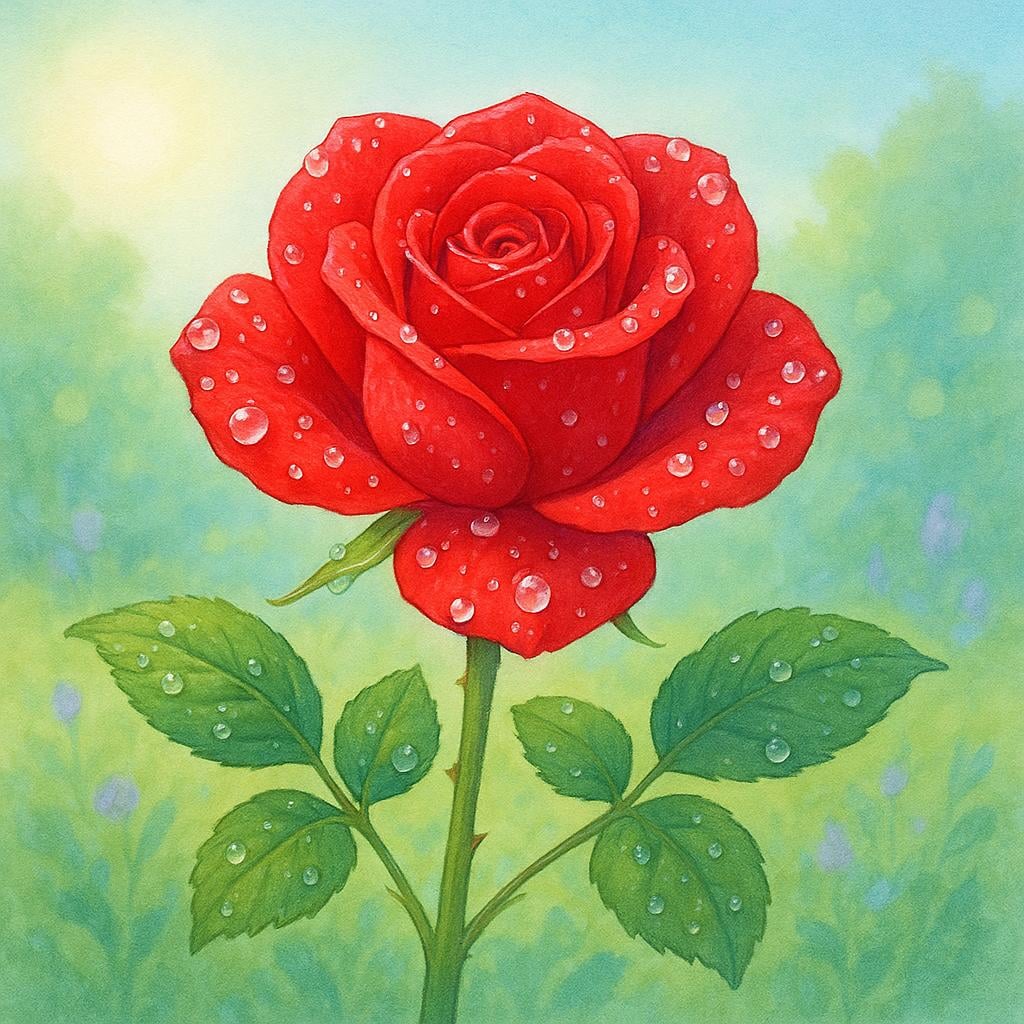
📝 In Action
Hay mucha poesía en la forma en que ella mira el mundo.
B1There is a lot of poetic quality in the way she looks at the world.
El paisaje tenía una poesía natural que nos cautivó.
B2The landscape had a natural charm/poetry that captivated us.
Translate to Spanish
Words that translate to "poesía" in Spanish:
poetic quality→✏️ Quick Practice
Quick Quiz: poesía
Question 1 of 1
Which sentence uses 'poesía' in its figurative sense (meaning beauty or charm)?
📚 More Resources
👥 Word Family▼
🎵 Rhymes▼
📚 Etymology▼
The word comes from the Latin 'poēsis', which itself originated from the Ancient Greek word 'poíēsis'. In Greek, this word literally meant 'making' or 'creating,' emphasizing the act of the artist bringing something new into the world.
First recorded: Around the 13th century in Spanish.
Cognates (Related words)
💡 Master Spanish
Take your Spanish to the next level. Read 200+ illustrated and narrated Spanish stories tailored to your level with the Inklingo app!
Frequently Asked Questions
What is the difference between 'poesía' and 'poema'?
Poesía refers to the general art form or genre (like saying 'music' or 'painting'). Poema refers to a single, specific piece of work (like saying 'a song' or 'a painting').
Why is 'poesía' feminine when 'poema' is masculine?
'Poesía' is feminine because it comes from the feminine Greek root 'poíēsis'. 'Poema' is masculine (el poema) because Spanish words ending in -ma, which often come from Greek (like 'problema' or 'tema'), are usually masculine.