pongamos
“pongamos” means “let's put” in Spanish. It has 2 different meanings depending on context:


let's put, (that) we put/place/set
Also: let's turn on, let's start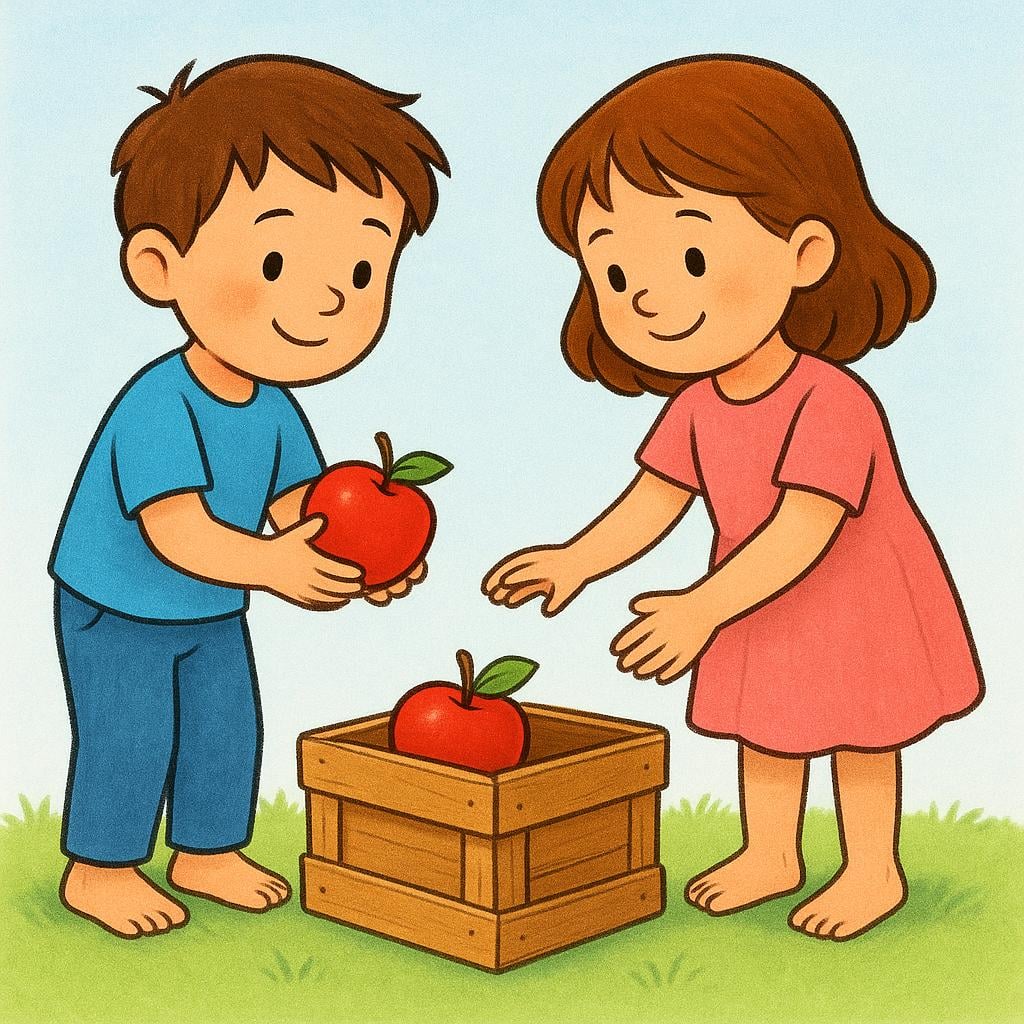
📝 In Action
Pongamos la mesa antes de que lleguen los invitados.
A1Let's set the table before the guests arrive.
Es crucial que pongamos atención a los detalles.
B1It is crucial that we pay attention to the details.
No pongamos excusas y terminemos el trabajo.
A2Let's not make excuses and let's finish the work.

📝 In Action
Pongamos que tienes un millón de dólares, ¿qué harías?
B2Let's suppose you have a million dollars, what would you do?
Pongamos por caso que la reunión se cancela. ¿Cuál es el plan B?
C1Let's imagine, for argument's sake, that the meeting is canceled. What is Plan B?
Indicative
Preterite
Present
Imperfect
Subjunctive
Present Subjunctive
Imperfect Subjunctive
Translate to Spanish
Words that translate to "pongamos" in Spanish:
for example→let's imagine→let's put→let's start→let's suppose→✏️ Quick Practice
Quick Quiz: pongamos
Question 1 of 2
Which sentence uses 'pongamos' as a command or suggestion?
📚 More Resources
👥 Word Family▼
📚 Etymology▼
Comes from the Latin verb *ponere*, meaning 'to put' or 'to place.' It is closely related to many English words that use the root 'pose' or 'position.'
First recorded: Old Spanish (around the 11th century) as 'poner.'
Cognates (Related words)
💡 Master Spanish
Take your Spanish to the next level. Read 200+ illustrated and narrated Spanish stories tailored to your level with the Inklingo app!
Frequently Asked Questions
Why does 'pongamos' have a 'g' if the infinitive is 'poner'?
Poner is an irregular verb. The 'g' sound appears in the first person singular ('yo pongo') and carries over into the entire present subjunctive form (ponga, pongas, pongamos, etc.). This makes it a 'go-verb' in Spanish.
Is 'pongamos' a command or a statement of uncertainty?
It can be both! The 'nosotros' (we) form of the command ('Let's...') is exactly the same as the 'nosotros' form of the present subjunctive (used for uncertainty, wishes, or necessity). The context tells you which meaning is intended.