príncipe
“príncipe” means “prince” in Spanish. It has 2 different meanings depending on context:


princeAlso: sovereign
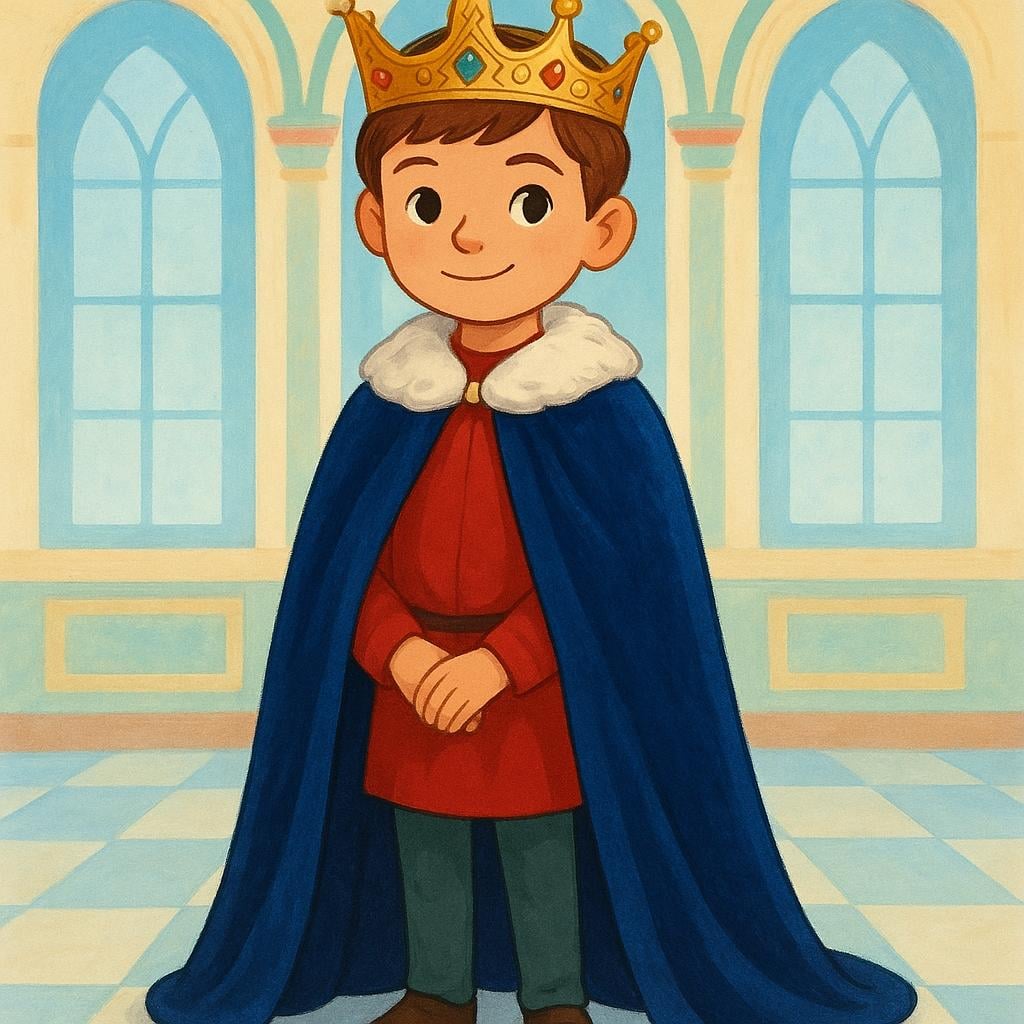
📝 In Action
El príncipe heredero asistió a la ceremonia.
A2The crown prince attended the ceremony.
En los cuentos de hadas, la princesa se casa con un príncipe valiente.
A1In fairy tales, the princess marries a brave prince.
Word Connections
master, championAlso: ace

📝 In Action
Es considerado el príncipe de la literatura moderna.
B2He is considered the master/prince of modern literature.
Siempre trata a sus invitados como a príncipes.
B1He always treats his guests like royalty (like princes).
Word Connections
✏️ Quick Practice
Quick Quiz: príncipe
Question 1 of 1
¿En cuál de las siguientes frases 'príncipe' se usa de forma figurada?
📚 More Resources
👥 Word Family
🎵 Rhymes
📚 Etymology
Comes directly from the Latin word *princeps*, which means 'chief,' 'first,' or 'leading person.' This emphasizes the idea of someone who holds the primary position of importance.
First recorded: Before the 10th century
Cognates (Related words)
💡 Master Spanish
Take your Spanish to the next level. Read 200+ illustrated and narrated Spanish stories tailored to your level with the Inklingo app!
Frequently Asked Questions
What is the difference between 'príncipe' and 'princesa'?
'Príncipe' is the masculine form (a male member of royalty or a ruler). 'Princesa' is the feminine form (a female member of royalty or a ruler's daughter).
Can I use 'príncipe' to talk about a political leader?
Yes, but usually only in a historical context or formal literature. For example, Niccolò Machiavelli's famous work *The Prince* is titled *El Príncipe* in Spanish, referring to a political ruler or head of state.