preciso
“preciso” means “precise” in Spanish. It has 3 different meanings depending on context:
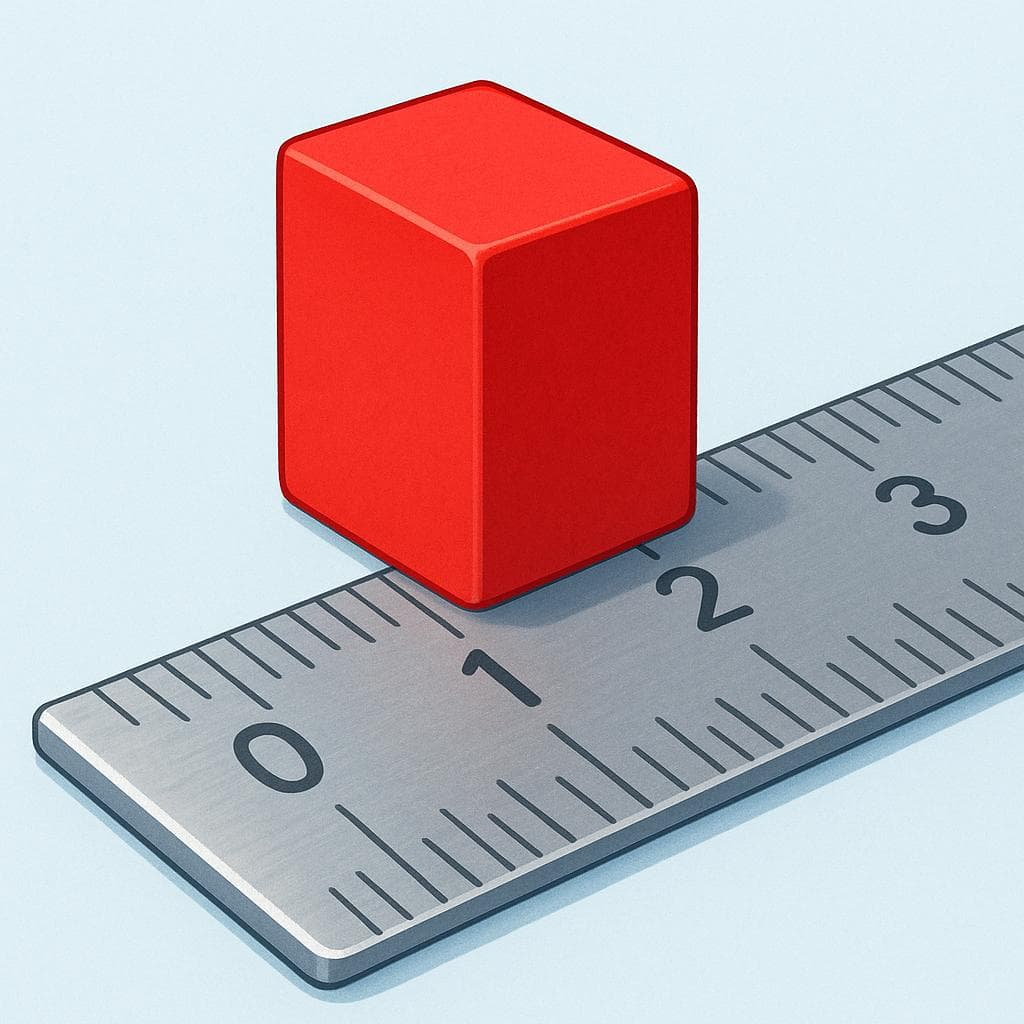


precise, exactAlso: accurate
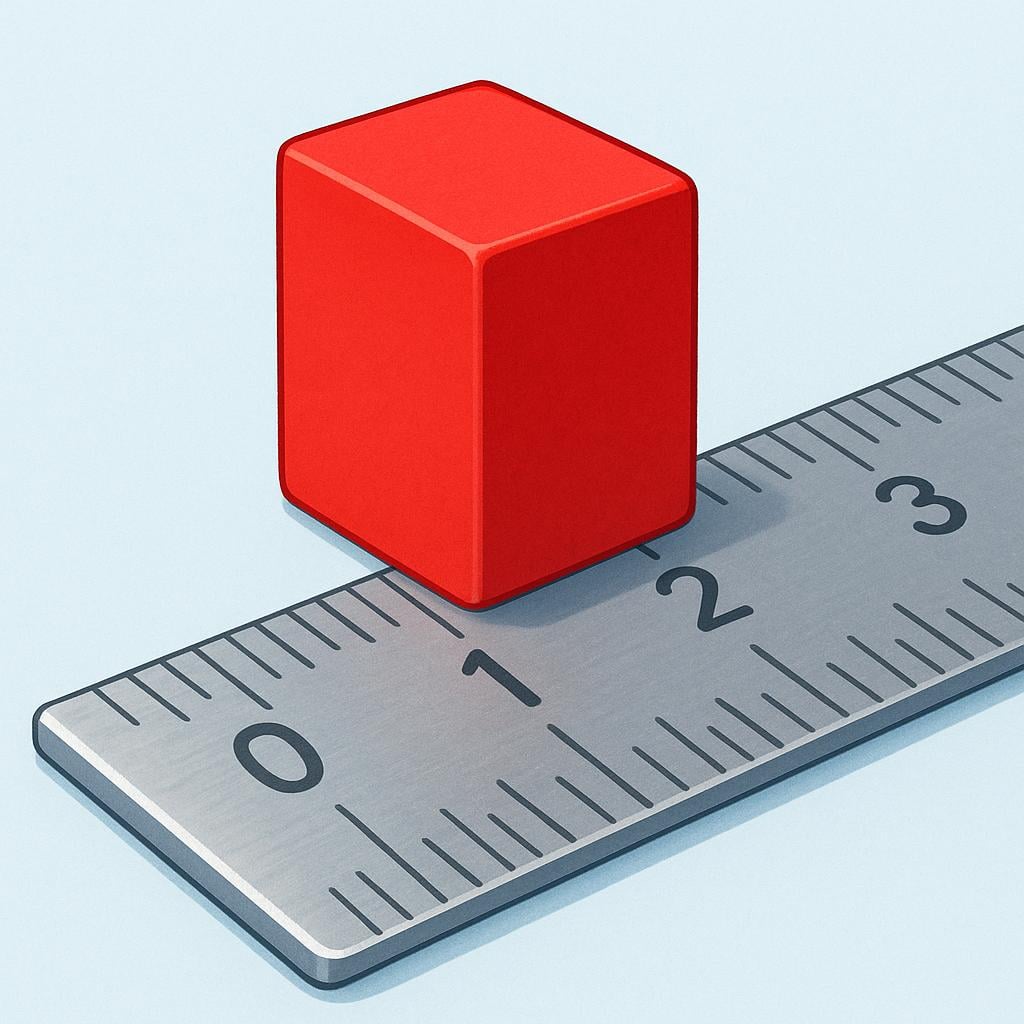
📝 In Action
Necesito la hora precisa de tu llegada.
A2I need the precise time of your arrival.
El carpintero hizo un corte muy preciso.
B1The carpenter made a very precise cut.
Su descripción del evento fue precisa y detallada.
B2His description of the event was accurate and detailed.
Word Connections
necessary, essentialAlso: required

📝 In Action
Es preciso actuar con rapidez para evitar el problema.
B2It is necessary to act quickly to avoid the problem.
Si precisa más información, llámeme.
C1If you require more information, call me. (Formal use, derived from the verb 'precisar' but functioning as a formal adjective/expression)
Word Connections
I need, I specifyAlso: I require

📝 In Action
Preciso un poco de tiempo para terminar el proyecto.
B1I need a little time to finish the project.
Si preciso ayuda, te llamaré.
B2If I require help, I will call you.
No preciso repetir mi argumento, es claro.
B2I don't need to repeat my argument; it is clear.
Word Connections
Indicative
Present
Imperfect
Preterite
Subjunctive
Present Subjunctive
Imperfect Subjunctive
Translate to Spanish
✏️ Quick Practice
Quick Quiz: preciso
Question 1 of 2
Which sentence uses 'preciso' in its meaning of 'I need'?
📚 More Resources
👥 Word Family
🎵 Rhymes
📚 Etymology
Comes from the Latin word *praecisus*, which is the past participle of *praecīdere*, meaning 'to cut off' or 'to shorten.' This root gave the word its meaning of being exact, like something cut to the perfect length.
First recorded: 15th century
Cognates (Related words)
💡 Master Spanish
Take your Spanish to the next level. Read 200+ illustrated and narrated Spanish stories tailored to your level with the Inklingo app!
Frequently Asked Questions
How is 'preciso' (adjective) different from 'exacto'?
They are very close synonyms! 'Exacto' usually emphasizes correctness and truth, while 'preciso' often emphasizes detail, measurement, or lack of ambiguity. You can often use them interchangeably.
Can I use 'preciso' instead of 'necesito' (I need)?
Yes, you can! 'Preciso' (from the verb 'precisar') means 'I need' or 'I require.' It is a perfectly valid alternative, though it tends to sound a little more formal or professional than 'necesito.'