Inklingo
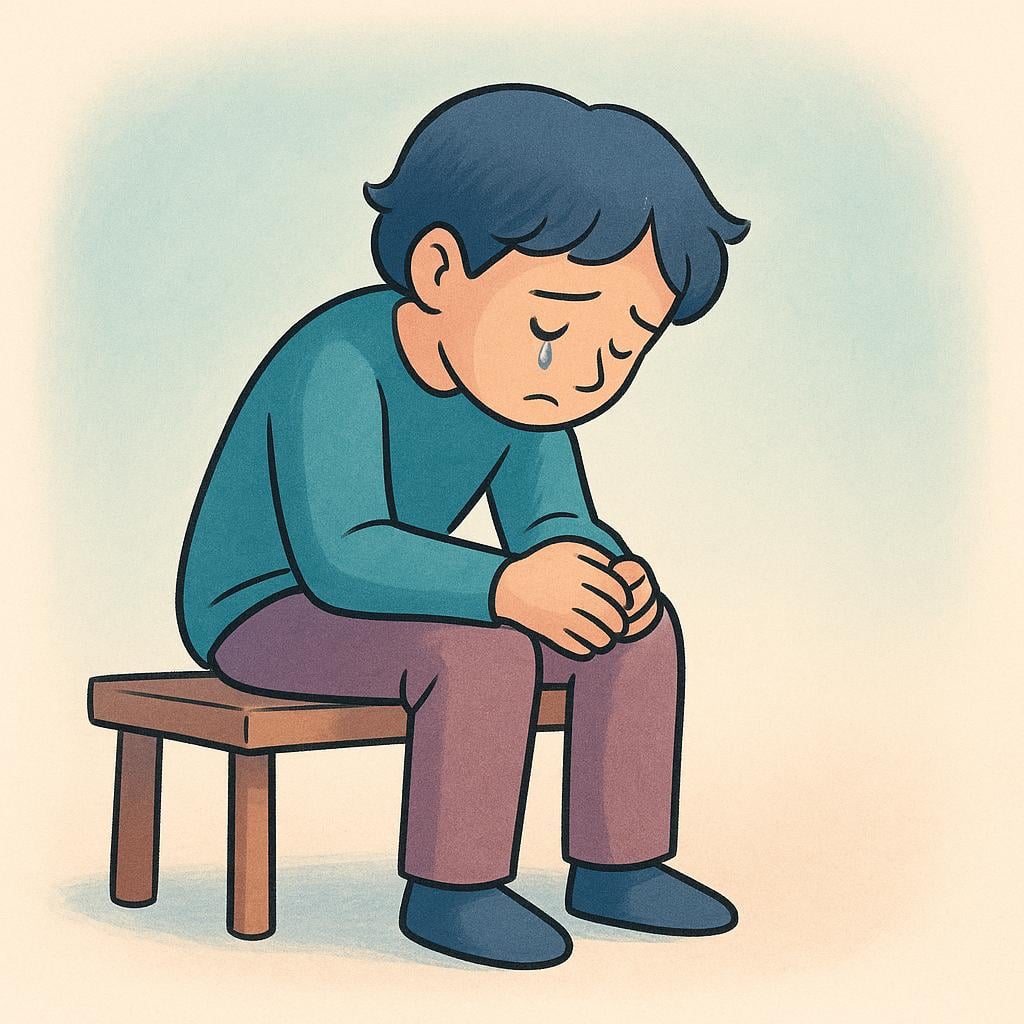
A high quality simple colorful storybook illustration showing a young person sitting alone, hunched over with their hands clasped around their knees, displaying a clearly worried and stressed expression.

preocuparse

preh-oh-koo-PAHR-seh

verbA1reflexive, regular ar
to worry?to feel anxiety or stress,to be concerned?to care deeply about something
Also:to take care of?when used in the negative, 'no te preocupes'

Quick Reference

infinitivepreocuparse
gerundpreocupándose
past Participlepreocupado

📝 In Action

No te preocupes por el dinero, yo lo pago.

A1

Don't worry about the money, I'll pay for it.

Mi madre se preocupa mucho por mi salud.

A2

My mother worries a lot about my health.

Dejó de preocuparse por las cosas pequeñas y se sintió más feliz.

B1

She stopped worrying about the small things and felt happier.

Nos preocupamos si no llegas a tiempo, así que avísanos.

A2

We get worried if you don't arrive on time, so let us know.

Word Connections

Synonyms

  • inquietarse (to become restless/anxious)
  • angustiarse (to get distressed)

Antonyms

  • tranquilizarse (to calm down)
  • relajarse (to relax)

Common Collocations

  • preocuparse porto worry about
  • no te preocupesdon't worry

Idioms & Expressions

  • quitarse un peso de encimato stop worrying; to get a weight off one's chest

💡 Grammar Points

The Reflexive 'Se'

Since this verb ends in '-se', you must always include a matching pronoun (me, te, se, nos, os, se) before the verb. This shows that the person doing the action is also the one receiving the worry.

Using 'Por' for the Topic

When you say what you are worrying about, you almost always use the preposition 'por' (for/about): 'Me preocupo por el futuro' (I worry about the future).

❌ Common Pitfalls

Forgetting the Reflexive Pronoun

Mistake: "Yo preocupo mi salud."

Correction: Yo me preocupo por mi salud. (The verb 'preocupar' without 'se' means 'to cause worry to someone else.')

Using the Wrong Preposition

Mistake: "Se preocupa de la prueba."

Correction: Se preocupa por la prueba. (While 'de' is sometimes used regionally, 'por' is the standard and safest choice for 'about.')

⭐ Usage Tips

The Essential Phrase

The phrase 'No te preocupes' (Don't worry) is one of the most common and useful phrases you'll learn in Spanish. Use it often to reassure friends!

🔄 Conjugations

indicative

present

él/ella/ustedse preocupa
yome preocupo
te preocupas
ellos/ellas/ustedesse preocupan
nosotrosnos preocupamos
vosotrosos preocupáis

imperfect

él/ella/ustedse preocupaba
yome preocupaba
te preocupabas
ellos/ellas/ustedesse preocupaban
nosotrosnos preocupábamos
vosotrosos preocupabais

preterite

él/ella/ustedse preocupó
yome preocupé
te preocupaste
ellos/ellas/ustedesse preocuparon
nosotrosnos preocupamos
vosotrosos preocupasteis

subjunctive

present

él/ella/ustedse preocupe
yome preocupe
te preocupes
ellos/ellas/ustedesse preocupen
nosotrosnos preocupemos
vosotrosos preocupéis

imperfect

él/ella/ustedse preocupara
yome preocupara
te preocuparas
ellos/ellas/ustedesse preocuparan
nosotrosnos preocupáramos
vosotrosos preocuparais

✏️ Quick Practice

💡 Quick Quiz: preocuparse

Question 1 of 2

Which sentence correctly uses 'preocuparse' to say 'I worry about the future'?

📚 More Resources

Word Family

preocupado/a(worried, concerned (adjective)) - adjective

Frequently Asked Questions

What is the difference between 'preocupar' and 'preocuparse'?

'Preocupar' (without the -se) means 'to worry someone else' (e.g., 'El ruido me preocupa' - The noise worries me). 'Preocuparse' (with the -se) means 'to worry oneself' or 'to feel worried' (e.g., 'Yo me preocupo' - I worry).

Is 'preocuparse' a stem-changing verb?

No, 'preocuparse' is a regular '-ar' verb. It follows the standard conjugation patterns, unlike verbs like 'dormir' or 'poder' which change their vowel sounds.