Inklingo
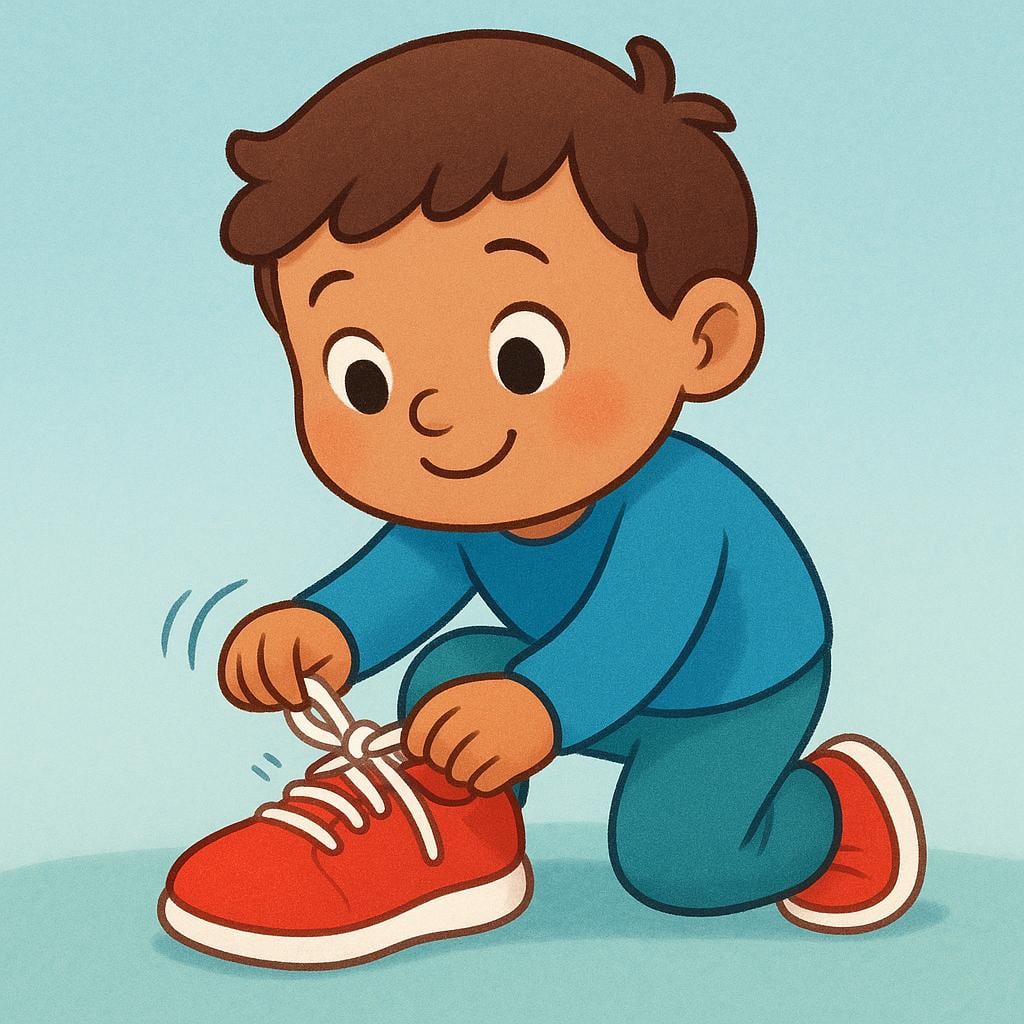
A friendly cartoon character kneeling down, actively tying the laces of a bright red running shoe, demonstrating preparation for an activity.

prepárate

preh-PAH-rah-teh

VerbA1regular ar
get ready?as a command,prepare yourself?as a command
Also:brace yourself?for bad news or a shock

Quick Reference

infinitiveprepararse
gerundpreparándose
past Participlepreparado

📝 In Action

¡Prepárate! El autobús llega en cinco minutos.

A1

Get ready! The bus arrives in five minutes.

Prepárate para la sorpresa. Es algo increíble.

A2

Prepare yourself for the surprise. It's something incredible.

Tienes que estudiar mucho. Prepárate para el examen final.

B1

You have to study a lot. Prepare yourself for the final exam.

Word Connections

Synonyms

  • alistarse (to get ready)
  • disponerse (to get ready)

Antonyms

  • relajarse (to relax)

Common Collocations

  • Prepárate para lo peorPrepare for the worst
  • Prepárate mentalmentePrepare mentally

💡 Grammar Points

Command Form Rule

This word is a command telling 'you' (tú) to prepare. When giving an affirmative command in Spanish, the little word 'te' (yourself) is always attached directly to the end of the verb.

The Accent Mark

Notice the accent mark on the 'a' (prepárate). This is added to make sure the stress stays on the correct syllable, even after adding the pronoun 'te' to the end.

Base Verb

The original verb is 'prepararse,' which means 'to prepare oneself' (a reflexive action). The 'te' in 'prepárate' is the 'self' part.

❌ Common Pitfalls

Forgetting the Accent

Mistake: "Preparate (without accent)"

Correction: Prepárate. Without the accent, the stress shifts, and the word sounds wrong. Always add the accent when attaching pronouns to affirmative commands.

Using it for 'You all'

Mistake: "¡Prepárate! (when talking to a group)"

Correction: Use '¡Prepárense!' (formal/Latin America) or '¡Preparaos!' (Spain) for groups. 'Prepárate' is only for one person you know well.

⭐ Usage Tips

The Opposite Command

If you want to say 'Don't prepare yourself,' the word order changes completely: 'No te prepares.' The 'no' forces 'te' to move back in front of the verb.

🔄 Conjugations

indicative

present

él/ella/ustedse prepara
yome preparo
te preparas
ellos/ellas/ustedesse preparan
nosotrosnos preparamos
vosotrosos preparáis

imperfect

él/ella/ustedse preparaba
yome preparaba
te preparabas
ellos/ellas/ustedesse preparaban
nosotrosnos preparábamos
vosotrosos preparabais

preterite

él/ella/ustedse preparó
yome preparé
te preparaste
ellos/ellas/ustedesse prepararon
nosotrosnos preparamos
vosotrosos preparasteis

subjunctive

present

él/ella/ustedse prepare
yome prepare
te prepares
ellos/ellas/ustedesse preparen
nosotrosnos preparemos
vosotrosos preparéis

imperfect

él/ella/ustedse preparara
yome preparara
te prepararas
ellos/ellas/ustedesse prepararan
nosotrosnos preparáramos
vosotrosos prepararais

✏️ Quick Practice

💡 Quick Quiz: prepárate

Question 1 of 1

Which sentence correctly uses the opposite, negative command form of 'prepárate'?

📚 More Resources

Frequently Asked Questions

Why does 'prepárate' have an accent mark?

The accent mark is there to keep the natural stress of the word. When you attach the pronoun 'te' to the command 'prepara,' the stress would naturally shift, but the accent forces the stress to stay on the second 'a' (prepÁrate), making it sound like the base verb.

When should I use 'prepárate' instead of 'prepara'?

Use 'prepárate' (prepararse) when the action is done to the person themselves (get *yourself* ready). Use 'prepara' (preparar) when the action is done to an object (e.g., 'Prepara la cena' - Prepare the dinner).