probarlo
“probarlo” means “to taste it” in Spanish. It has 3 different meanings depending on context:
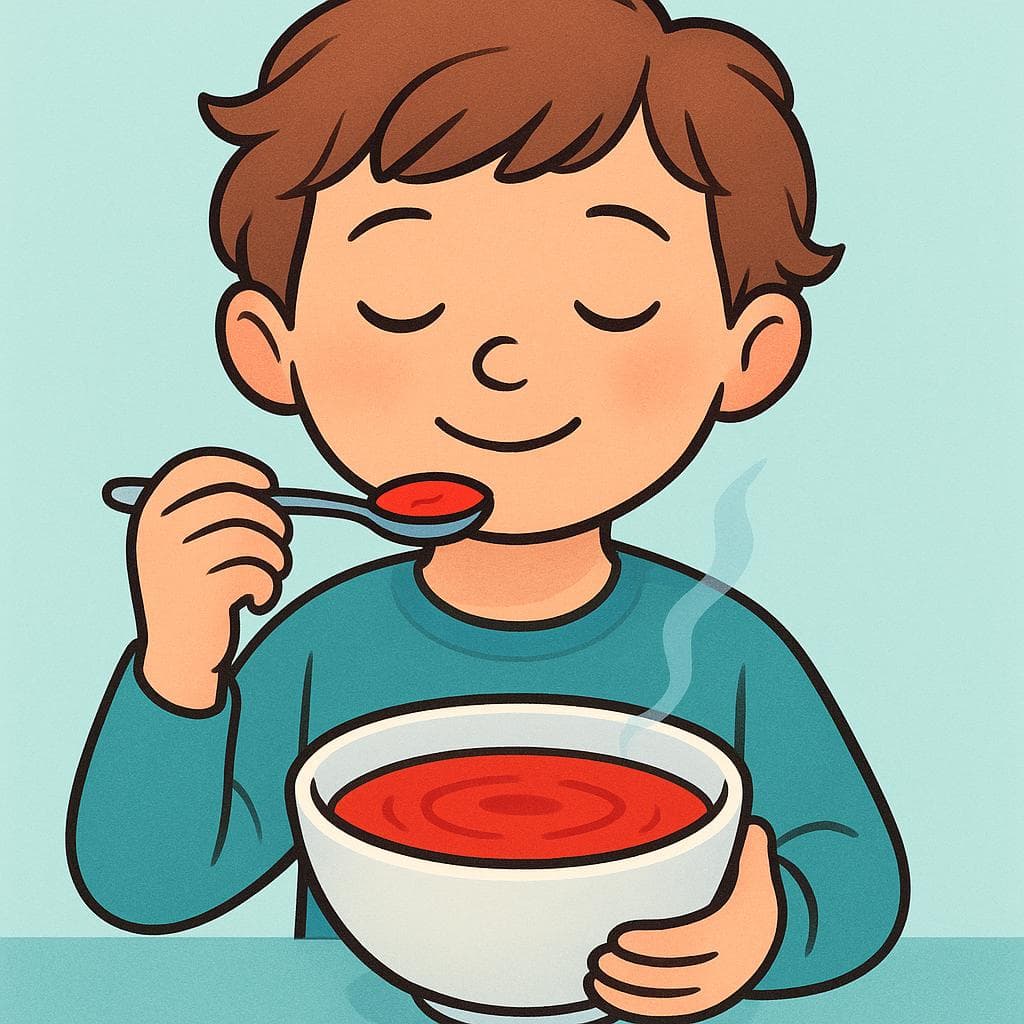

to taste it, to try it
Also: to sample it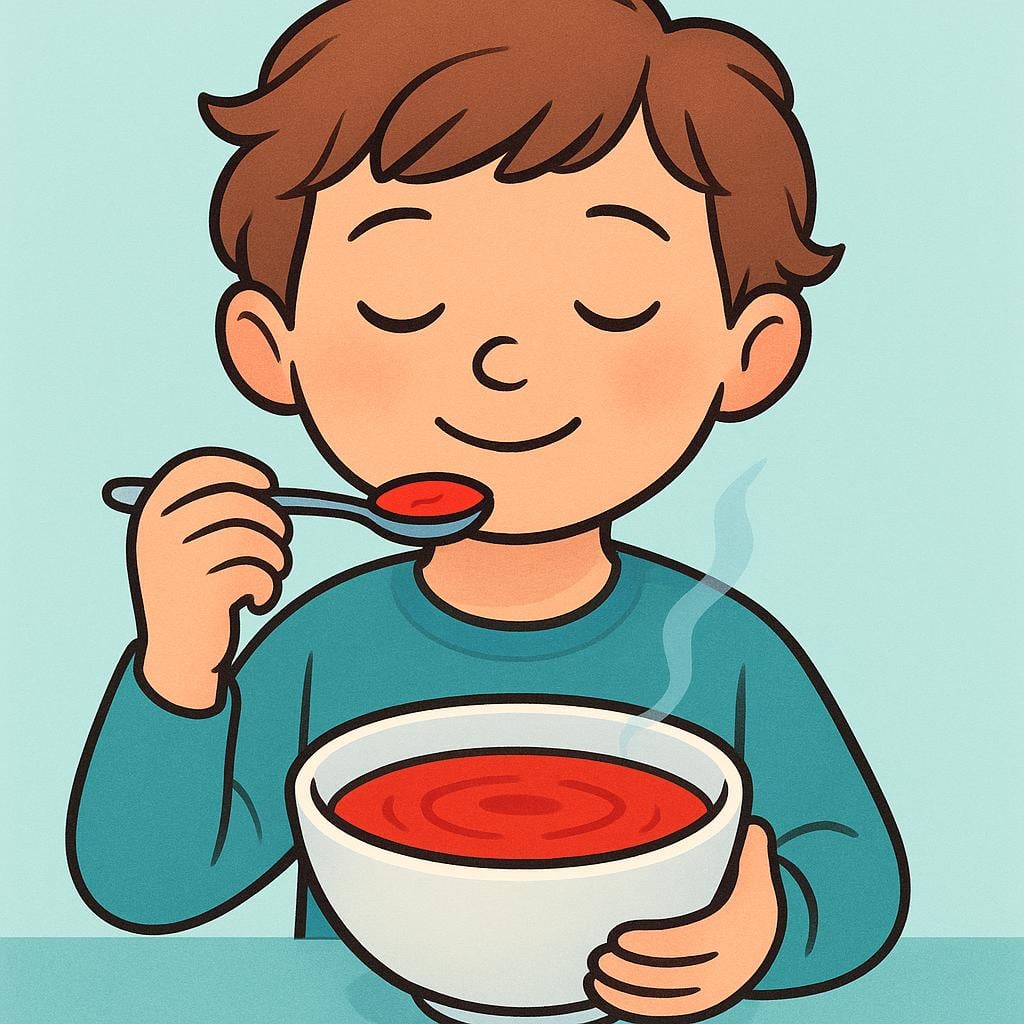
📝 In Action
¿Puedo probarlo antes de decidir?
A1Can I taste it before deciding?
Tienes que probarlo, está delicioso.
A1You have to try it, it's delicious.
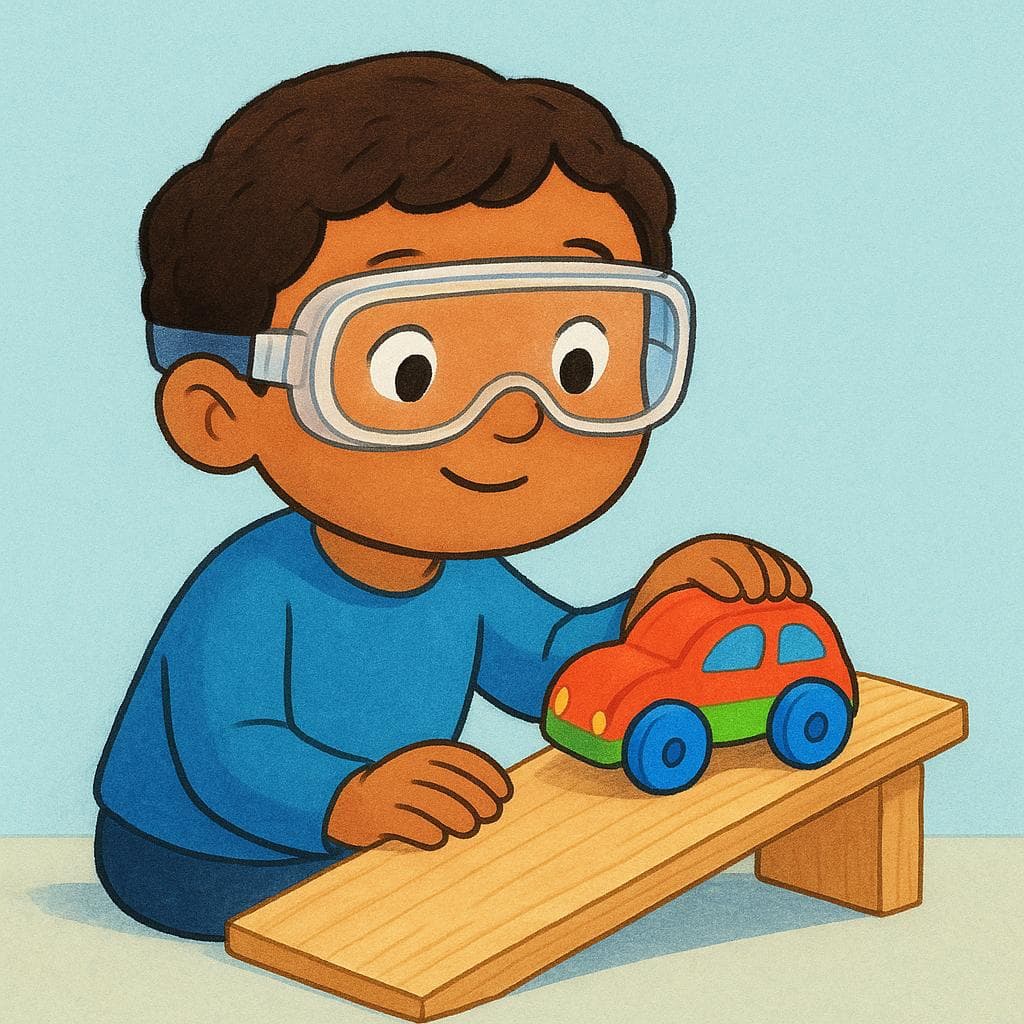
to try it out, to test it
Also: to give it a go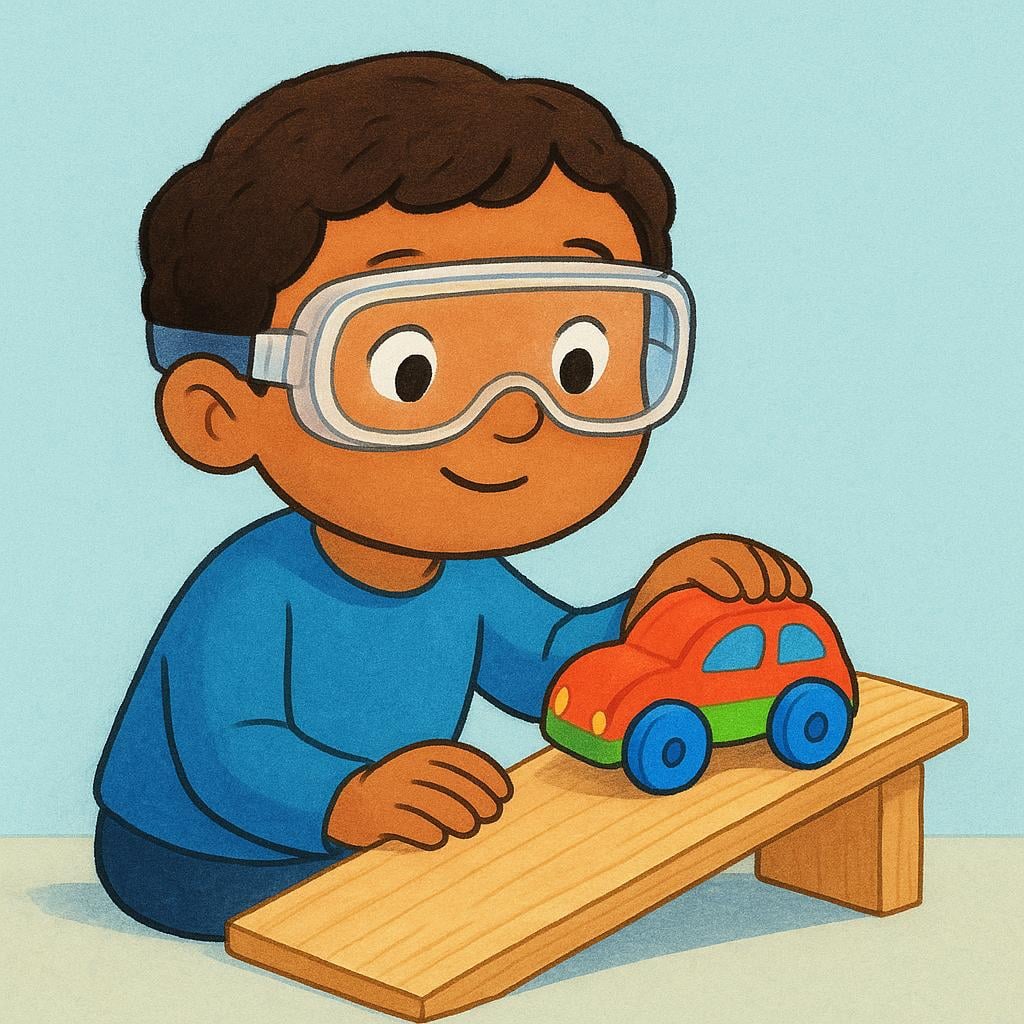
📝 In Action
Necesito probarlo antes de comprar el coche.
A2I need to try it out before buying the car.
Es un método nuevo, vamos a probarlo.
B1It's a new method, let's try it (test it).
to prove it, to demonstrate it
Also: to substantiate it
📝 In Action
Es difícil probarlo sin testigos.
B2It is difficult to prove it without witnesses.
El informe debe probarlo con datos concretos.
C1The report must prove it with concrete data.
Indicative
Present
Imperfect
Preterite
Subjunctive
Present Subjunctive
Imperfect Subjunctive
✏️ Quick Practice
Quick Quiz: probarlo
Question 1 of 2
Which sentence uses 'probarlo' in the sense of 'to prove a fact'?
📚 More Resources
👥 Word Family▼
📚 Etymology▼
The verb 'probar' comes from the Latin word *probare*, meaning 'to test,' 'to examine,' or 'to approve.' The attached pronoun 'lo' comes from the Latin *illum*, meaning 'that' or 'him.'
First recorded: 13th century (for the base verb)
Cognates (Related words)
💡 Master Spanish
Take your Spanish to the next level. Read 200+ illustrated and narrated Spanish stories tailored to your level with the Inklingo app!
Frequently Asked Questions
What is the difference between 'probarlo' and 'probarse'?
Both relate to trying something. 'Probarlo' means 'to try/taste it' where 'it' is an external object (like food or a car). 'Probarse' is a reflexive verb meaning 'to try something on oneself,' usually clothing. Example: 'Voy a probármelo' (I am going to try it [the jacket] on myself).
Why does 'probarlo' have no accent, but '¡Pruébalo!' does?
'Probarlo' is an infinitive phrase and follows the normal stress rules of the base verb 'probar'. When you attach pronouns to a positive command, like '¡Pruébalo!', Spanish usually requires an accent mark to maintain the original stress of the verb (which falls on the first syllable: PRUE-ba-lo).