práctica
“práctica” means “practice” in Spanish. It has 3 different meanings depending on context:


practice
Also: training, rehearsal
📝 In Action
Necesitas mucha práctica para hablar fluidamente.
A1You need a lot of practice to speak fluently.
La práctica de yoga me relaja.
A2Yoga practice relaxes me.
internship, placement
Also: apprenticeship
📝 In Action
Mi hermana está buscando una práctica de verano en una editorial.
B1My sister is looking for a summer internship at a publishing house.
Las prácticas duran seis meses y son remuneradas.
B2The placements last six months and are paid.
practical
Also: convenient, sensible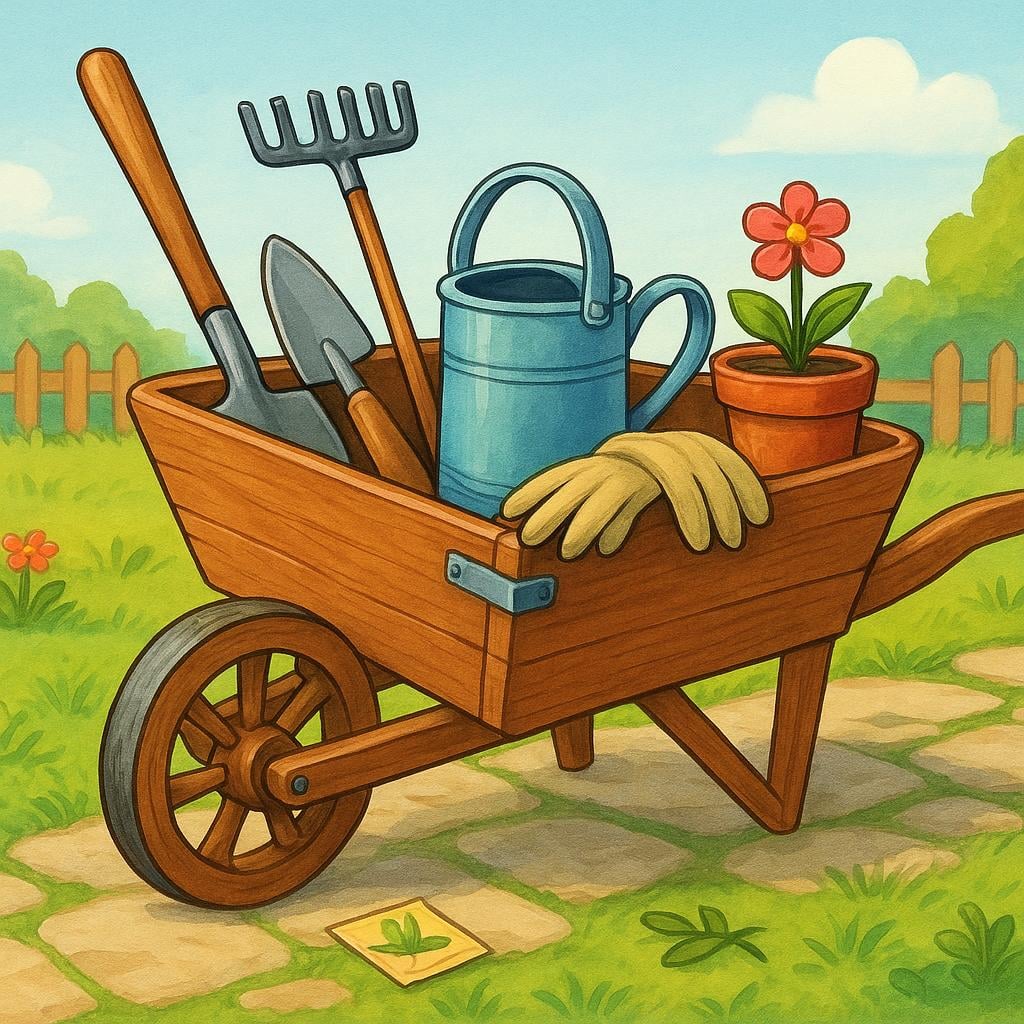
📝 In Action
Esta mochila es muy práctica para viajar.
B1This backpack is very practical for traveling.
Ella siempre tiene soluciones prácticas a los problemas.
B2She always has practical solutions to problems.
🔀 Commonly Confused With
✏️ Quick Practice
Quick Quiz: práctica
Question 1 of 2
Which sentence uses 'práctica' as an adjective?
📚 More Resources
👥 Word Family▼
🎵 Rhymes▼
📚 Etymology▼
Comes from the Medieval Latin word *practica*, which itself derived from the Greek word *praktikós* (meaning 'concerned with action' or 'fit for doing'). It entered Spanish as a way to describe things related to action and real-world application, rather than just theory.
First recorded: 15th century
Cognates (Related words)
💡 Master Spanish
Take your Spanish to the next level. Read 200+ illustrated and narrated Spanish stories tailored to your level with the Inklingo app!
Frequently Asked Questions
How do I say 'I practice' in Spanish?
You must use the verb form, 'practico' (I practice). Remember, the verb form of this word family does not have an accent mark on the first syllable.
Is 'práctica' the same as 'ejercicio'?
'Práctica' refers to the repetition of a skill over time (like practicing piano). 'Ejercicio' usually refers to a specific, one-time task (like a grammar drill) or physical activity (like exercise at the gym).