pusimos
“pusimos” means “we put” in Spanish. It has 2 different meanings depending on context:
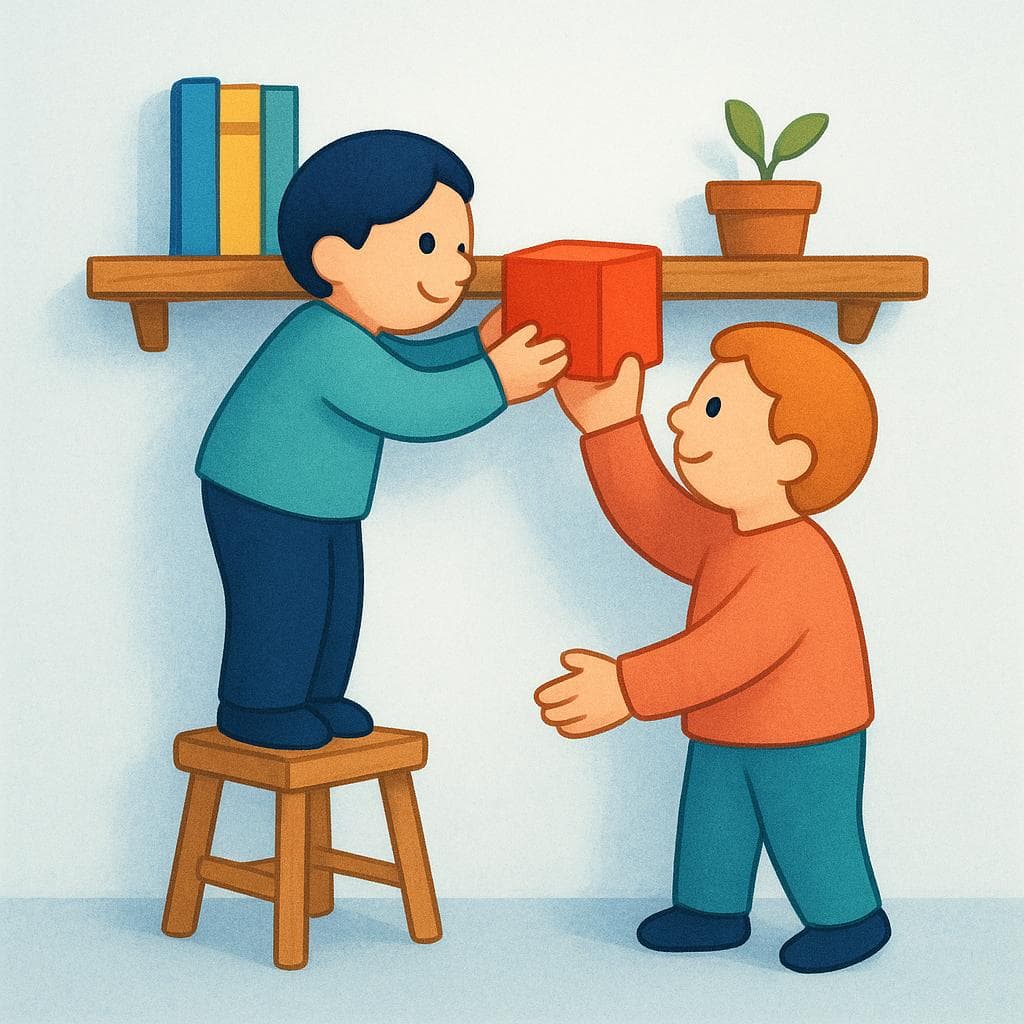

we put, we placed
Also: we set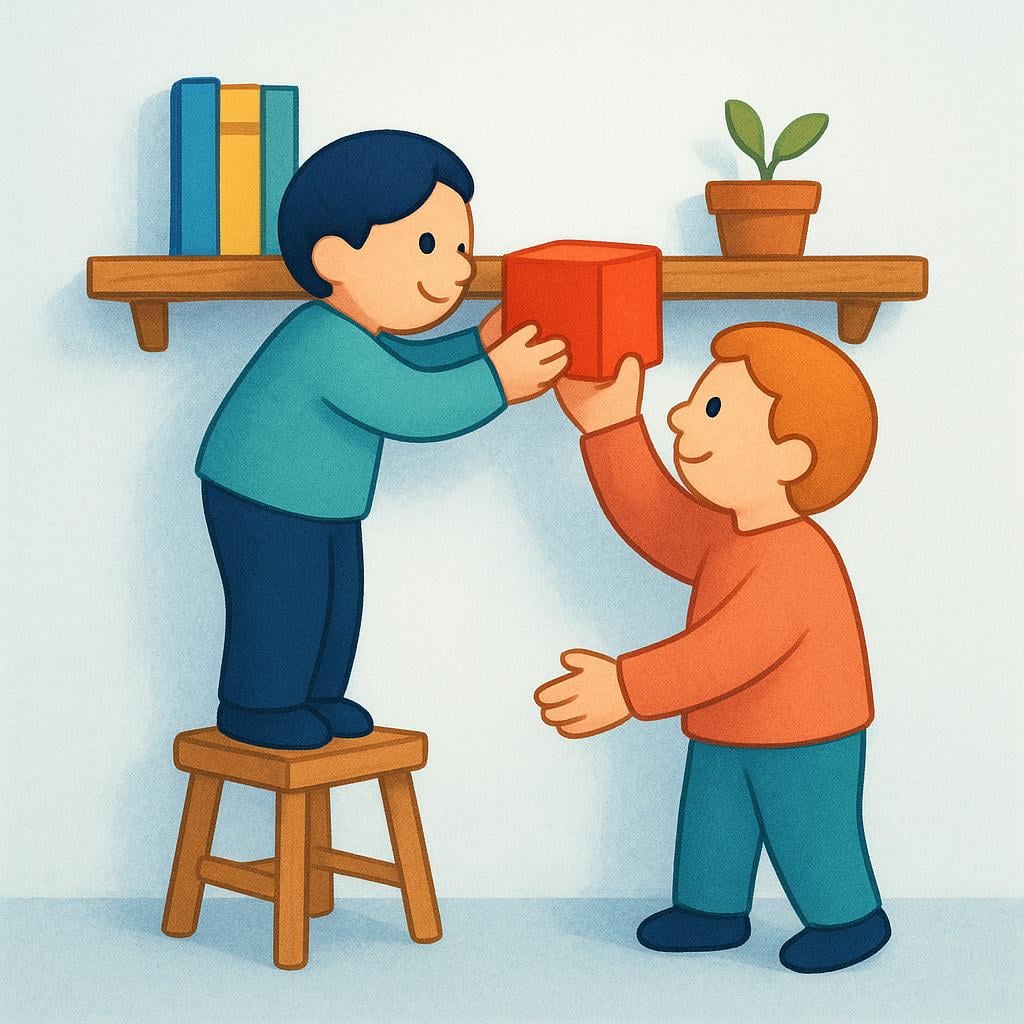
📝 In Action
Nosotros pusimos las llaves en la mesa anoche.
A1We put the keys on the table last night.
¿Dónde pusimos el libro de español?
A1Where did we put the Spanish book?
Después del picnic, pusimos la basura en el contenedor.
A2After the picnic, we put the trash in the container.
we established, we set
Also: we scheduled
📝 In Action
Para el proyecto, pusimos límites claros desde el principio.
B1For the project, we established clear limits from the beginning.
Pusimos la fecha de la reunión para el próximo martes.
B1We set the date of the meeting for next Tuesday.
Los dueños pusimos un precio justo para vender la casa.
B2The owners (we) set a fair price to sell the house.
Indicative
Present
Imperfect
Preterite
Subjunctive
Present Subjunctive
Imperfect Subjunctive
Translate to Spanish
✏️ Quick Practice
Quick Quiz: pusimos
Question 1 of 2
Which verb form would you use if you wanted to say 'We were putting the groceries away (when the phone rang)'?
📚 More Resources
👥 Word Family▼
🎵 Rhymes▼
📚 Etymology▼
Comes from the Latin verb *ponere*, meaning 'to put' or 'to place'. Over time, the Spanish verb 'poner' developed the irregular 'pus-' stem in the simple past, reflecting ancient sound changes common in Latin roots.
First recorded: 10th century (in the form 'poner')
Cognates (Related words)
💡 Master Spanish
Take your Spanish to the next level. Read 200+ illustrated and narrated Spanish stories tailored to your level with the Inklingo app!
Frequently Asked Questions
Why is 'pusimos' so different from the base verb 'poner'?
'Pusimos' belongs to a group of highly irregular verbs in Spanish (like 'tener' and 'venir') that change their stem completely in the simple past (preterite). Poner's stem changes from 'pon-' to 'pus-' to make the past tense stronger and easier to say quickly.
Is 'pusimos' the same as 'nos pusimos'?
No. 'Pusimos' means 'we put' (something else). 'Nos pusimos' is the reflexive form, meaning 'we put ourselves' or, more commonly, 'we put on' (clothing) or 'we became' (an emotion, like 'nos pusimos tristes'—we became sad).